


How to prepare delicious olive bread with banneton?
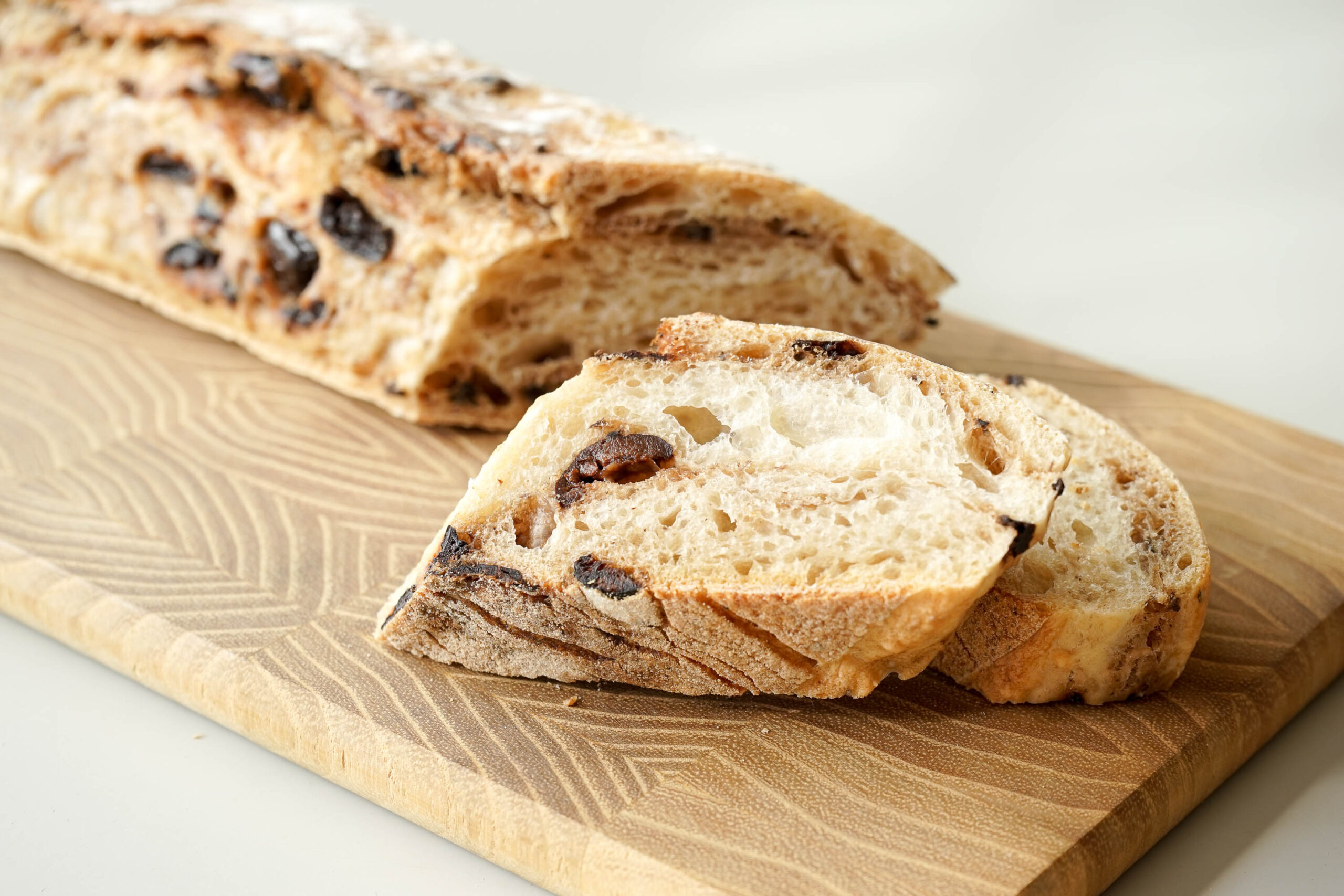

In this article, we’ll explore the art of artisan baking by walking you through the steps to making irresistible olive bread using a banneton. Discover the techniques for harmoniously integrating olives into your dough, the crucial role of the banneton in obtaining an airy crumb and a perfectly crispy crust, as well as baker’s tips to guarantee the success of your bread every time. Get ready to transform your kitchen into a real baking workshop!
Choosing Ingredients for Tasty Olive Bread
Olive selection: Quality and variety
One of the essential components of olive bread is, unsurprisingly, the olives themselves. For exceptional bread, it is crucial to choose high quality olives. Popular varieties for cooking include Kalamata olives and Nyons black olives, known for their rich, deep flavor. It is recommended to choose pitted olives to facilitate preparation and avoid damaging the texture of the bread when cutting.
Before incorporating them into the dough, the olives must be carefully rinsed and drained to remove excess brine, which can alter the taste of the bread by making it too salty. For even distribution in the dough, it is best to cut them into pieces that are neither too small nor too large.
Choice of flour: Impact on texture
The selection of the flour is fundamental in making tasty olive bread. Durum wheat flour is often recommended for its ability to better retain inclusions such as olives. It also gives the bread a firm and crispy texture, ideal for this type of recipe. However, for those who prefer a lighter, airier bread, all-purpose flour may work well.
It is also possible to enrich the dough with rye flour or wholemeal flour to add rustic notes and additional nutrient density. These flour choices not only increase the nutritional profile of the bread, but also diversify its texture and taste.
The importance of yeast and sourdough
Yeast is a crucial leavening agent in bread preparation. Fresh baker’s yeast is ideal for effective rising and a soft texture. However, for a more developed aroma and a subtly tangy flavor, the use of a leaven natural can be considered. This choice is often preferred by traditional bakers and fans of artisanal breads. Preparing sourdough requires more time and know-how, but the result can significantly enrich the flavor complexity of the bread.
For optimal fermentation, the ambient temperature must be controlled, ideally around 24°C, and the environment must be protected from drafts. These conditions allow the yeast or sourdough to form effective gas bubbles that will aerate the dough, giving it its spongy, light texture.
The finishing touch: Herbs and spices
Adding herbs and spices can transform a simple olive bread into a gastronomic delight. Herbs such as thyme, rosemary or oregano perfectly complement the pronounced flavor of olives. Incorporating a pinch of fleur de sel on top of the bread before baking can also enrich the taste and provide a deliciously crispy crust.
Another option is to add a drizzle of extra virgin olive oil to the dough for added softness and a harmonious connection with the olives. Olive oil contributes to a more tender crumb and enriches the flavor profile of the bread.
FAQs on Making Olive Bread
- What type of olive is most suitable for olive bread?
Kalamata olives or black varieties like Nyons olives are preferable for their rich taste and texture that pairs well with bread dough. - Can you use active dry yeast instead of fresh yeast?
Yes, active dry yeast can be used by adjusting the quantities. Make sure to rehydrate it properly before incorporating it into the dough. - How long does it take to prepare natural sourdough?
Preparing natural sourdough can take 5 to 7 days, depending on environmental conditions and care taken during daily refreshing.
Articles sur le même Sujet
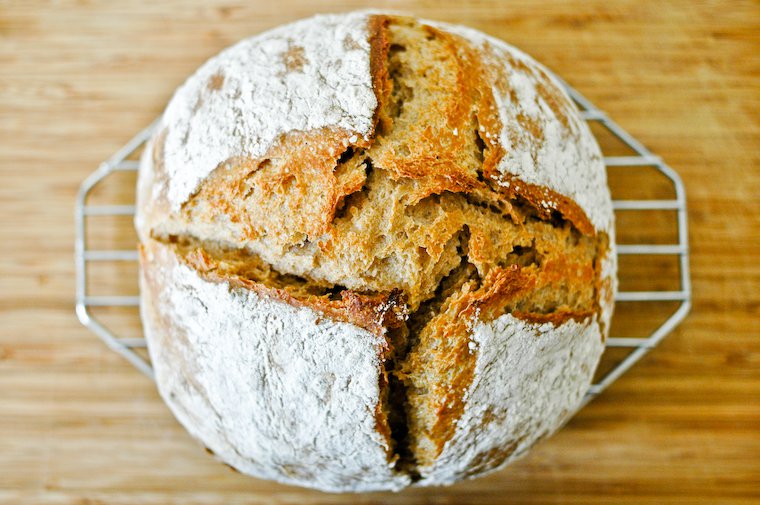
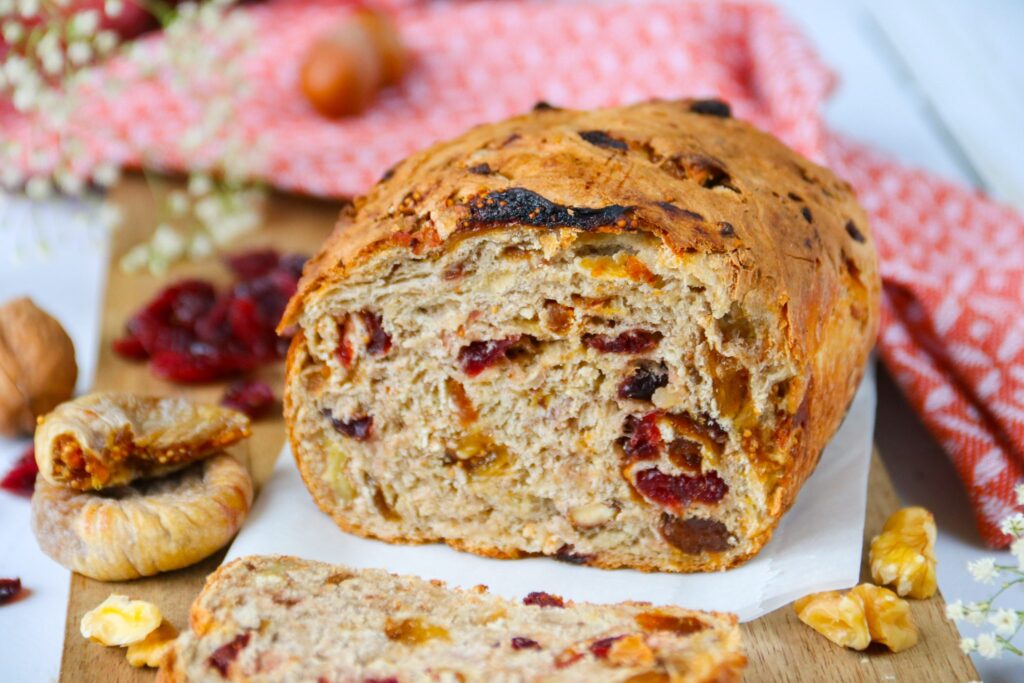
Preparing the dough: Tips and techniques
The Basics of Dough Preparation
When approaching the preparation of dough in a bakery, understand the basic principles is essential for successful all kinds of breads. This crucial step influences not only the texture and taste of the final bread, but also its ability to rise well and develop a satisfying crust.
Choice of Ingredients
The selection of ingredients plays a major role in the quality of the dough. The flour must be chosen according to the type of bread you wish to obtain: all-purpose wheat flour for classic bread, rye flour for denser bread, or high protein quality flour for bread. strong development.
The water, preferably filtered or spring, must be at a suitable temperature (ideally between 20°C and 25°C) to optimize the activity of the yeast. Too cold, it will slow down fermentation; too hot, it risks killing the yeast.
Kneading Techniques
THE kneading is the step where the dry ingredients are mixed with water to form the dough. This process develops the gluten contained in the flour, giving the dough its elastic and airy structure. There are several kneading methods:
- By hand: This traditional method allows complete control of the development of the dough and preserves the texture of the bread.
- With a kneading robot: Ideal for larger quantities of dough, this mechanism saves time and energy.
Fermentation Management
There fermentation is a biological process where yeast converts sugars in flour into carbon dioxide and alcohol. This step is crucial for the development of the taste and structure of the bread. Fermentation must be careful and controlled, requiring a temperate environment without drafts.
Quality Control Points During Preparation
Ensure a Quality Control throughout the preparation of the dough is essential to obtain a consistent and high quality result. This includes controlling the water temperature, checking the freshness of the yeast and respecting the required rest times between the different fermentation and kneading phases.
THE pointing — first rise of the dough — is a critical stage where the dough must double in volume. “Degassing,” the process of folding the dough before shaping, is also vital to evenly distribute gas and nutrients to the yeast.
Dough Preparation FAQ
What is the difference between baker’s yeast and baking powder?
Baker’s yeast is a living organism that allows fermentation, necessary for the production of bread. Baking powder, used mainly in baking, produces gas by chemical reaction when it is moistened and then heated.
How do I know if my dough has risen enough?
The dough should approximately double in volume. A simple test is to lightly push your finger into the dough; if the print bounces back slowly, it is ready.
Can you knead dough too long?
Yes, over-kneading can cause over-elasticity which will make the dough difficult to shape and can affect the texture of the bread, which will then be too dense.
Articles sur le même Sujet
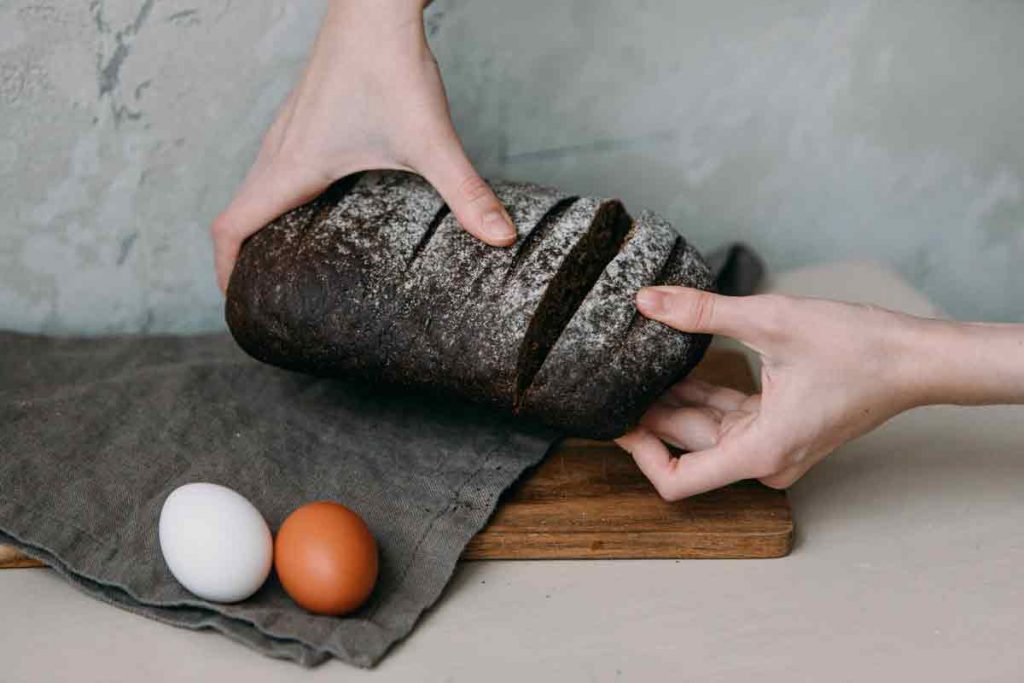
Using banneton for a perfect shape
What is a banneton and why is it essential?
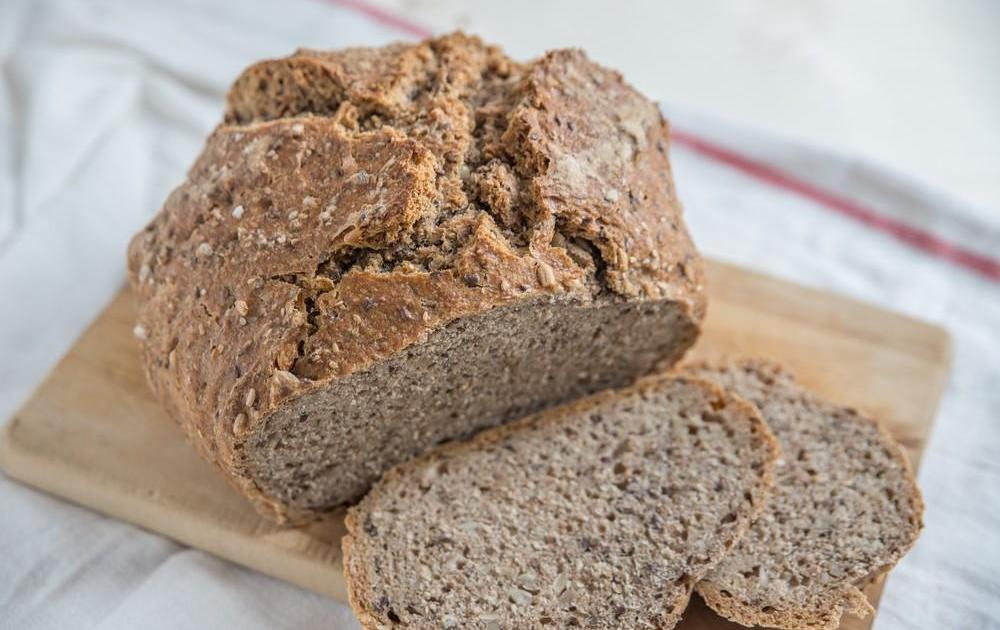
THE banneton, often called fermentation basket, is a key tool in the bread making process, particularly for traditional yeast doughs. Made from natural materials such as rattan or wood, banneton is used to maintain the shape of the dough during its final fermentation. It helps maintain a uniform texture and creates a nice structured crust when baking.
Choosing the right banneton
The choice of banneton depends mainly on the type of bread you want to make. Bannetons are available in different sizes and shapes, including round, oval or square. For wet, sticky dough, a banneton with linen cloth may be preferable, as it absorbs excess moisture and prevents the dough from sticking.
Preparation and maintenance of banneton
Before the first use, it is recommended to generously sprinkle the banneton with flour to create a non-stick barrier. Between uses, brush off flour residue and any dough fragments, and let the banneton dry in a well-ventilated area. Avoid washing the banneton with water so as not to alter its natural properties.
Banneton fermentation technique
Once your dough is ready, place it in the prepared banneton. The smooth side should be at the bottom, while the side that will be visible after cooking should be at the top, in contact with the hollows of the banneton. This will allow the dough to take the shape of the basket and develop a nice texture on the surface. Fermentation should be done at room temperature, covered with a clean cloth to avoid drafts and temperature fluctuations.
Unmolding and cooking
After fermentation, gently invert the banneton onto a preheated baking sheet or baking stone. The dough should come apart easily if the banneton has been prepared correctly. Be sure to score the bread with a sharp blade or knife to control the expansion of the bread as it bakes.
FAQs on using banneton
What size banneton should I choose for my bread?
The size of your banneton should match the amount of dough in your recipe. A general guide would be to choose a banneton that can hold around 1kg of dough for standard breads.
How to prevent the dough from sticking to the banneton?
Be sure to generously flour the banneton before each use. Using rice flour mixed with wheat flour can also help reduce stickiness.
Is it possible to use plastic bannetons?
Yes, there are plastic bannetons designed to simulate the properties of traditional bannetons. They are easier to clean but may not provide the same moisture absorption as natural materials.
Articles sur le même Sujet
Resting time and fermentation: Keys to success
The art of baking is based on two fundamental pillars: break and the fermentation. These processes are essential for developing the flavors, texture and structure of the bread. Understanding and mastering these steps allows bakers to produce superior quality breads with optimal taste and physical characteristics.
The importance of rest time
Resting time, often referred to as autolysis, plays a crucial role in dough preparation. This step occurs after the initial mixing of the ingredients but before kneading. Letting the dough sit allows the flour to fully absorb the water, which activates the enzymes responsible for breaking down starch and proteins. This process results in a more extensible and less sticky dough, making it easier to knead and forming a more effective gluten network to trap the carbon dioxide released during fermentation.
The role of fermentation
Fermentation is the heart of bread making. During this phase, the yeasts and/or bacteria present in the sourdough or baker’s yeast transform the sugars into alcohol and carbon dioxide. This gas is responsible for lifting of the dough, giving it volume and lightness. The duration and conditions of fermentation are decisive: fermentation that is too short does not allow sufficient development of aromas, while fermentation that is too long can lead to a collapse of the structure of the bread and an excessively acidic taste.
Resting and fermentation time management techniques
To optimize resting time and fermentation, it is recommended to follow a few key techniques:
- Temperature control: The temperature at which the dough rests and ferments has a significant impact on the activity of yeast and bacteria. An ideal temperature is between 24°C and 28°C.
- Hydration of the dough: The hydration rate influences the fluidity of the dough and therefore its ability to trap carbon dioxide. Appropriate hydration depends on the type of flour used and the desired effect on the texture of the bread.
- Use of pre-ferments: Using pre-ferments like natural sourdough or poolish can enrich the flavor profile of the bread and improve the crumb structure.
By respecting and adjusting these parameters according to the type of bread desired, bakers can greatly improve the quality and consistency of their final products.
FAQ: Frequently Asked Questions
What is the ideal resting time for dough?
The optimal duration varies depending on the recipe and ambient conditions, but a rest of 20 to 30 minutes is generally sufficient to allow autolysis.
How do you know if fermentation is complete?
A good indicator is the volume of the dough: it should have doubled. In addition, the texture must be airy and filled with small bubbles.
Can we speed up fermentation?
Raising the temperature can speed up the process, but it may affect flavor development. It is best to adjust fermentation times according to the desired results rather than trying to rush them.
Articles sur le même Sujet
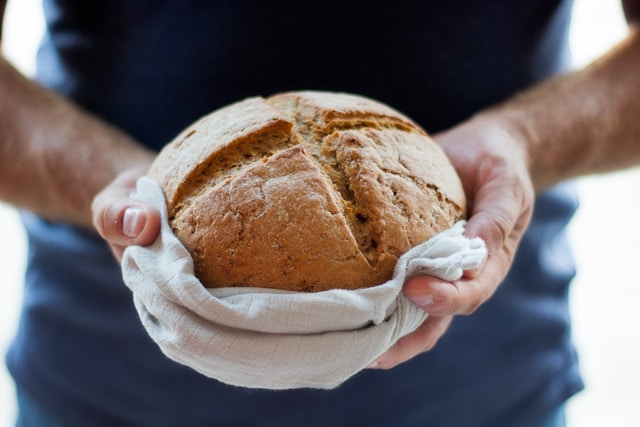
Cooking: How to get a golden, crispy crust
The Key Factors for a Perfect Crust
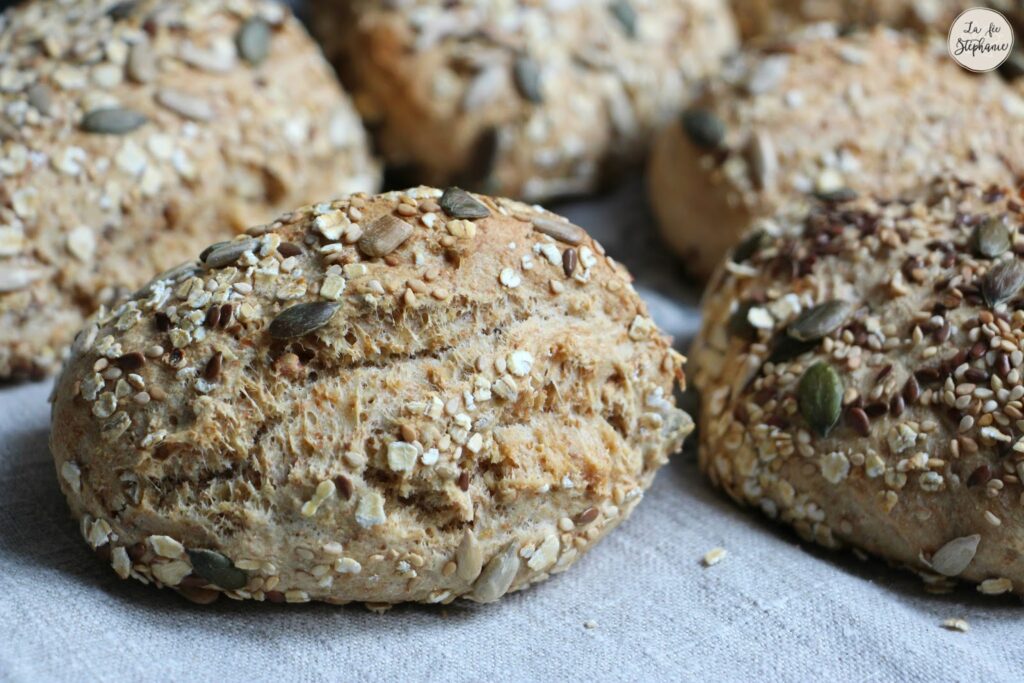
Obtaining a golden and crispy crust is essential for lovers of homemade bread. Key factors include the correct oven temperature, the hydration rate of the dough, and the use of steam when baking.
Dough Preparation and First Proofing
Crust quality starts long before the bread hits the oven. Fresh, active yeast, good quality flour, and efficient kneading are fundamental. In addition, an initial slow rise, often carried out in a cool place for several hours, allows complex aromas to develop and improves the structure of the dough.
The Importance of Oven Temperature
A high temperature is essential to obtain a well-caramelized crust. Preheating your oven to between 230°C and 250°C, depending on the type of bread, ensures a strong start, which helps create a sturdy crust. Using a baking stone or hot plate can help mimic the conditions of a professional bread oven.
Vaporization Techniques
Using steam at the start of cooking is crucial for crust formation. Steam allows the surface of the bread to remain supple during the first few minutes of baking, which helps in maximum expansion of the bread before the crust solidifies. Introducing a container of hot water into the oven or spraying the walls of the oven with water as soon as the bread is introduced can be effective techniques.
Cooking Management and Gilding Techniques
Baking time and browning methods also influence the appearance of the crust. For breads high in sugar, such as those containing honey or sugar, special care should be taken to avoid excessive caramelization. Towards the end of baking, reducing the oven temperature slightly and monitoring browning can prevent the crust from burning.
Golden Crispy Crust FAQ
1. What is the role of flour in crust quality?
Flour plays a critical role. Use a flour with good protein content, such as durum wheat flour, to help form a strong, crispy crust.
2. Can you get a good crust in a home oven?
Yes, although a professional oven offers specific benefits, raising the home oven temperature to maximum and using steam can yield excellent results.
3. How long should you preheat the oven?
Preheat your oven for at least 30 minutes before baking your bread. A long preheating period ensures that the temperature is uniformly high to receive the bread.
Ideas for serving and enjoying your olive bread
Cold meats and cheeses: A perfect pairing
Olive bread pairs ideally with a selection of cold meats fine and cheeses. Add slices of serrano ham or salami to your platter, accompanied by cheeses such as goat’s cheese, whose softness contrasts pleasantly with the saltiness of the olives in the bread. For a touch of elegance, opt for hard cheeses like Manchego or Comté, which stand well next to the soft textures of bread.
Spreads and dips
Explore the possibilities of spreads: black or green tapenade, hummus enriched with olive oil, or even a red pepper cream. These dips are not only tasty but also visually appealing, offering a color palette that delights the palate as much as the view. The Mediterranean character of olive bread goes perfectly with these typical flavors.
Seasonal soup and mixed salads
Accompany your olive bread with a hot soup in winter or a cold soup in summer. Consider recipes like roasted tomato soup or gazpacho. For salads, combine fresh ingredients like cherry tomatoes, cucumbers, and a balsamic-based vinaigrette to complement the distinctive taste of olives.
Wines and assorted drinks
The choice of wine can also enhance your tasting of olive bread. Choose a dry white wine like a Chardonnay or a Sauvignon Blanc, whose acidity and fruity aromas will balance the richness of the bread. For an alcohol-free option, water flavored with herbs like thyme or rosemary will be refreshing and in harmony with the Mediterranean notes of the bread.
FAQs
What type of cheese goes best with olive bread?
Soft-textured, strong-flavored cheeses like goat’s cheese or brie are excellent with olive bread because they contrast with the saltiness of the olives.
Can you make sandwiches with olive bread?
Absolutely, olive bread is excellent for sandwiches. Try a sandwich with roast chicken, a few rocket leaves and a thin layer of herb mayonnaise.
When is the best season to enjoy olive bread?
Olive bread can be enjoyed all year round, but it is particularly enjoyable in summer when it can be incorporated into light meals such as salads or seafood platters.