


How to get perfect browning on your bread?
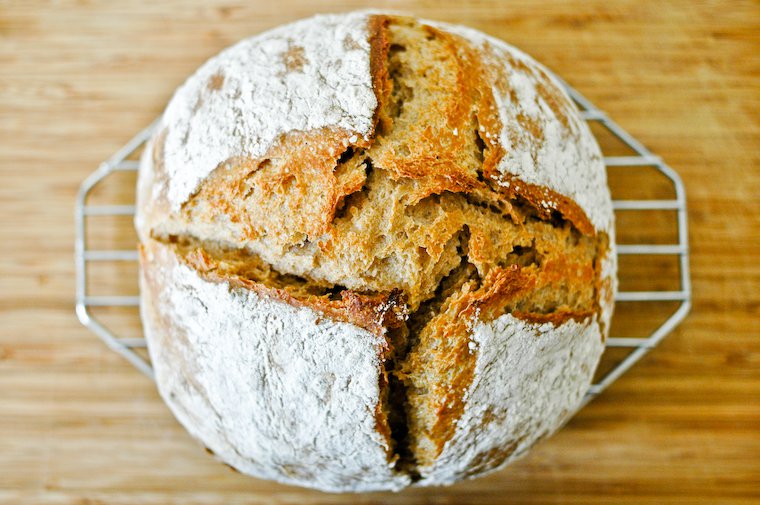

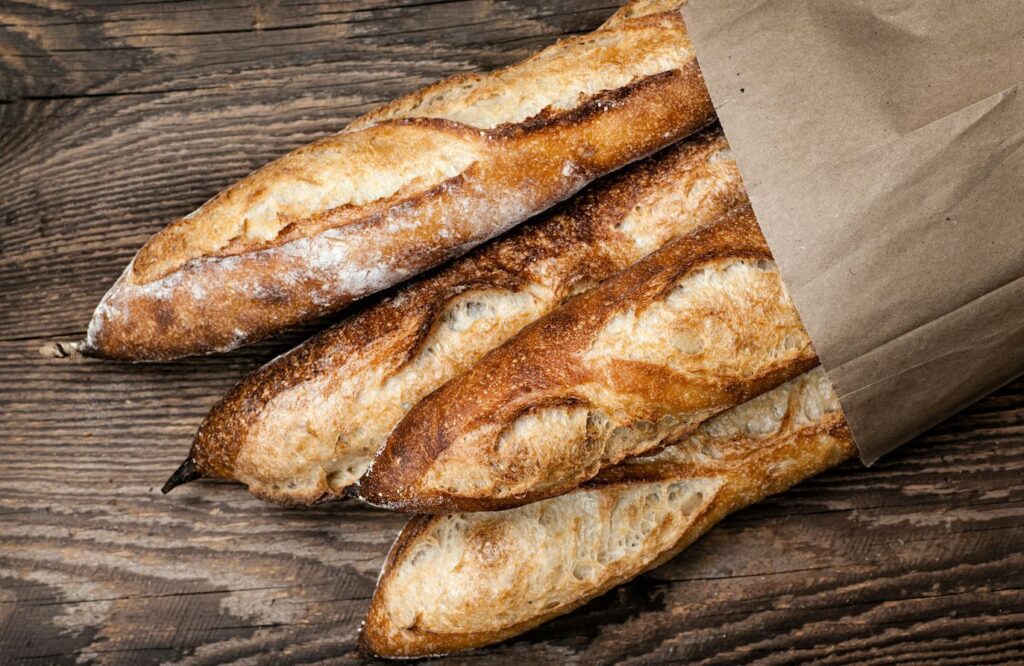
Discover the secrets behind an irresistible golden crust on your breads. In this article, we’ll explore proven techniques and baking tips, so that every loaf you take out of the oven is a true work of art with perfect browning. Whether you’re a passionate amateur or a professional, these tips will help you perfect your baking skills.
Choice of ingredients for impeccable gilding
The basics of gilding in pastry
Gilding is a crucial element in baking and pastry making which perfects the appearance of finished products by giving them a golden hue and a shiny appearance. The appropriate selection of ingredients for effective gilding is therefore essential. There are several options, each tailored to specific needs.
Choice of gilding agent: egg, milk, or other alternatives
Eggs are traditionally used for gilding due to their ability to provide rich color and a glossy finish when applied to doughs before baking. For classic gilding, the use of the whole egg or just the yolk can vary depending on the desired color intensity. Egg yolk, high in fat, provides a deeper color and crisper texture.
THE milk, often used as a softer alternative, gives a less intense color but can contribute to the crispiness of the crust. It’s perfect for baked goods aimed at people avoiding eggs. Whole milk is recommended for a better shine effect.
Of the vegan alternatives, such as plant milks or oil and water mixtures, can also be used. These options are aimed at people following specific diets while still allowing you to continue the search for an attractive, golden crust.
Importance of proportions and application technique
The proportion between the ingredients plays a determining role in the effectiveness of the gilding. Too high an egg concentration can make the egg wash too dark, especially if the product is exposed to high temperatures. Conversely, an excessive proportion of milk may not give the desired shine. It is crucial to find the ideal balance based on the desired end product.
The application technique is also essential. Too thick a coat can lead to uneven baking, while too light an application will not develop the expected color or shine. Using a soft brush will allow for uniform and controlled application.
Frequently asked questions
1. What is the main difference between using a whole egg and an egg yolk for egg wash?
Using a whole egg results in a light, less colorful egg wash, while egg yolk alone provides a richer color and crisper texture.
2. Can you use water for gilding?
Water can be used but it will not provide the same shine or color as other gilding agents. It is often mixed with a little oil to improve its properties.
3. How to prevent gilding from burning during cooking?
To prevent the gilding from burning, you should carefully monitor the oven temperature and possibly cover the products with aluminum foil if they brown too quickly.
Articles sur le même Sujet
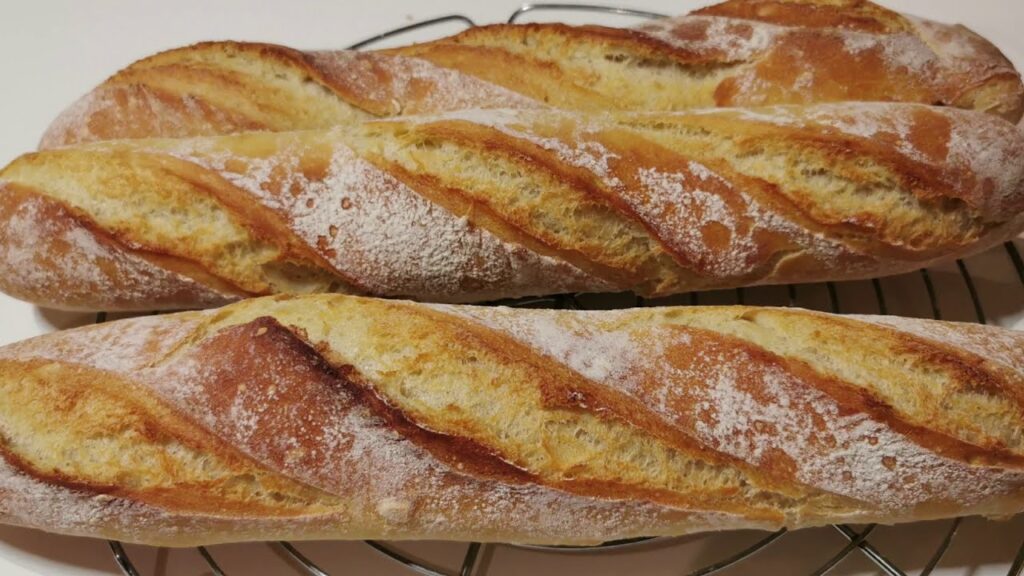
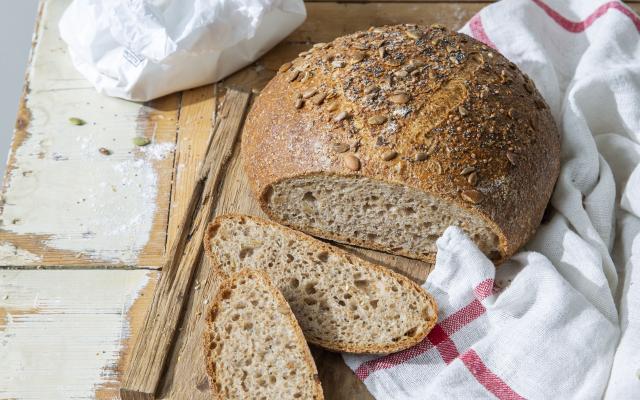
Dough preparation and shaping techniques
The Fundamentals of Gilding
There gilding is an essential baking technique that gives doughs an attractive color and shiny texture. The principle consists of applying a liquid to the surface of a product before cooking. This liquid, most often composed of a beaten egg or milk, contributes to the golden and crispy final appearance of breads, pastries and other pastries.
Preparing the gilding requires special attention. To begin, you must choose the right gilding agent according to the desired effect. Beaten whole eggs provide a rich, intense color, while egg yolk diluted with water or milk provides a more subtle coloring. Depending on the desired end product, other ingredients such as sugar or salt may be added to adjust the flavor or appearance of the crust.
Techniques and Practical Applications of Gilding
The application of gilding must be carried out with precision. Using a soft pastry brush allows for even coverage without saturating the dough. It is crucial to apply the egg wash gently to avoid deflorating the dough, particularly with delicate doughs like croissants or flaky pastries.
In addition to its role in traditional baking, gilding is also applied in the manufacture of artistic breads. In this case, different shades and techniques can be used to create specific patterns or designs, adding an impressive visual dimension to the bread while enhancing its texture.
FAQs
What is the difference between using milk and egg for egg wash?
Egg gives a shinier, more golden finish due to its fat and protein content. Milk, on the other hand, gives a less intense color and a slightly different texture. The choice depends on personal preferences and specific requirements for the finished product.
Why does my egg wash sometimes make the bread too dry or cracked?
This may be due to excessive or uneven application of the gilding. It’s important to use just enough liquid to cover the surface without saturating the dough. Additionally, the cooking temperature and time must be carefully controlled.
Is it possible to prepare egg wash without eggs for dietary or allergy reasons?
Yes, there are several alternatives to egg for browning, such as soy milk or other plant-based milks, which can be used to achieve a beautiful golden color without using animal products.
Articles sur le même Sujet
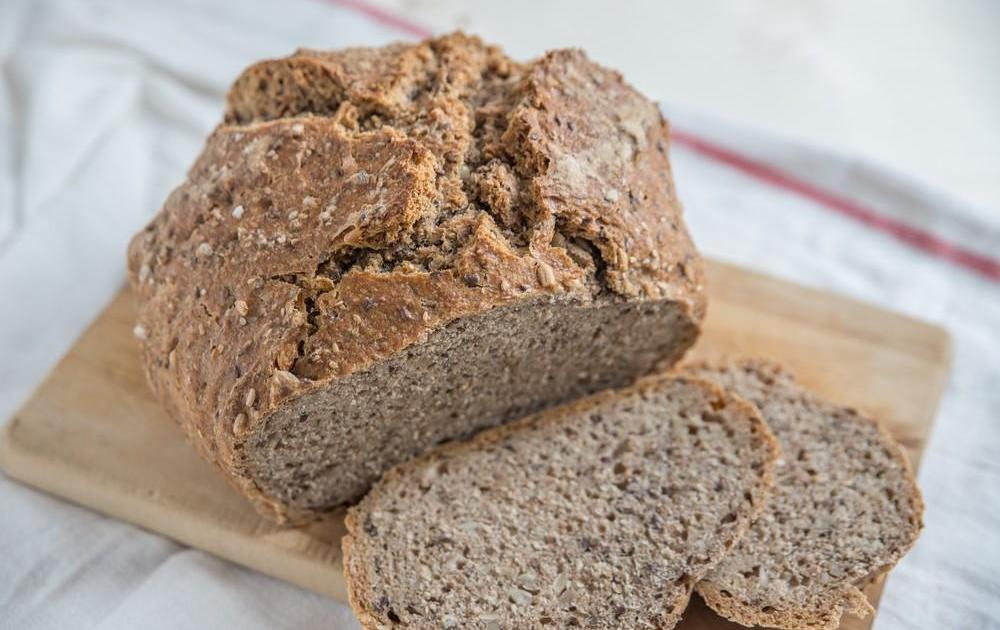

Applying the gilding to the bread
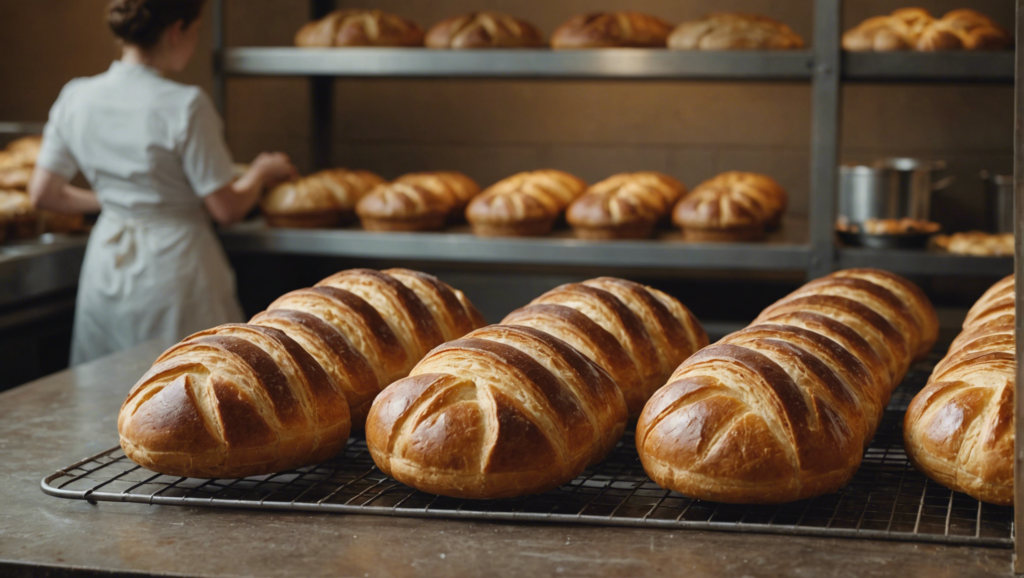
There gilding on bread is a crucial technique to improve the aesthetic appearance and flavor of the crust. This involves applying a liquid to the surface of the bread before baking. The goal is to give the bread an attractive golden color and a crisper texture.
Choice of gilding agents
There are different types of gilding agents, each providing their own nuances of flavor and texture to the bread. The most commonly used options include:
- Beaten whole egg : It gives an intense golden color and a shiny crust.
- Egg yolk : Used for a darker, richer gilding.
- Egg white : Provides a crispy crust with less browning.
- Milk : Provides a moderately golden color and contributes to the tenderness of the crust.
- Water : Used for light browning and to help seeds and other toppings adhere to the crust.
Application techniques
Application of egg wash must be done carefully to ensure uniform coverage without saturating the pastry. Here are some common methods:
- Kitchen brush : Ideal for precise and uniform application to all exposed surfaces of the pâté.
- Spray : An option for lighter applications, ideal for treating large areas quickly.
It is essential to apply the egg wash before the final rise of the bread to allow optimal absorption and prevent the dough from being deflated by the pressure of the brush.
Cooking temperature and time
There temperature and the cooking time play a crucial role in the effectiveness of gilding. Too high a temperature can cause excessive browning before the bread is cooked through, while too low a temperature can cause the crust to be pale and dull. A balance must therefore be found, generally between 180°C and 230°C, depending on the type of bread and the nature of the gilding used.
FAQs on browning bread
What is the main function of gilding on bread?
Browning helps achieve a golden, crispy crust, while adding flavor.
Can you use oil as a gilding agent?
Yes, oil can be used to give a crispy crust and can be an alternative for those avoiding dairy or eggs.
How to prevent gilding from burning during cooking?
Monitor the oven temperature and cover the bread with foil if you notice the egg wash is browning too quickly.
Articles sur le même Sujet
Types of gilding for various effects
In the artistic and creative field, the gilding represents an essential technique for adding a touch of shine and refinement to various projects. It can be applied to many supports, thus offering a wide range of aesthetic possibilities. This article explores the main gilding methods and their specific applications.
Gilding with gold leaf
There gold leaf gilding is one of the most traditional techniques. It consists of applying thin sheets of gold to a surface, generally prepared with a layer of mordant or mix. This method requires great precision and certain know-how, because gold leaf is extremely delicate to handle. Gold leaf gilding is often used to decorate frames, sculptures, or even architectural elements.
Powder gilding
Less expensive than gold leaf, powder gilding is made using gold powder or other metals, mixed with a binder. It is applied with a brush or pad, allowing larger surfaces to be covered. This technique is particularly suitable for work on fabric and paper, because it infiltrates the fibers well and provides a lasting glossy finish.
Tempera gilding
Used mainly in the restoration of paintings and in certain types of graphic arts, the tempera gilding involves the application of a layer of water-based mixture before installing the metal sheets. This allows for better adhesion to supports such as wood or plaster. The finishes obtained with this technique are fine and precise, allowing complex patterns to be created.
Digital gilding
Integrating modern technologies, the digital gilding uses special printers to transfer metal films to the desired media. This method allows for great design freedom, with the ability to apply personalized gold designs to surfaces such as paper, glass or plastics. Digital gilding is particularly popular in the field of luxury packaging and signage.
Gilding Techniques FAQ
How durable are the different gilding techniques?
Durability varies depending on the technique used. Gold leaf gilding in particular is renowned for its exceptional longevity, while digital gilding can be more vulnerable to scratches and wear under conditions of frequent exposure.
Can gilding be applied to all types of surfaces?
Almost any surface can be gilded, but the choice of technique and preparatory materials depends heavily on the type of surface and the desired finish.
How to maintain gold surfaces?
Maintenance depends on the gilding method used. Generally, it is advisable to clean gold surfaces with a soft, dry cloth to avoid scratching or damaging the metal coating.
Articles sur le même Sujet

Optimized cooking temperature and time
Key Parameters for Perfect Gilding
The success of a beautiful gilding essentially depends on two critical factors: the temperature and the cooking time. These elements interact to transform the surface of a baked good into an attractive, golden crust, while preserving its soft, airy crumb.
Importance of Temperature in Gilding
To achieve optimal browning, the oven temperature is decisive. It is recommended to preheat the oven between 200°C and 250°C, depending on the type of dough and the size of the product. A high temperature quickly activates the Maillard reaction, responsible for the golden color and the creation of complex flavors.
Cooking Time and Color Management
Controlling cooking time is just as crucial as temperature. Exposing too long can result in a crust that’s too thick or burnt, while not enough time leaves the dough pale and undercooked. The duration generally varies from 15 to 25 minutes, depending on the specific object and its dimensions.
Gilding Techniques for Different Bakery Products
Gilding of chopsticks : Maintain a constant temperature of 240°C and cook for approximately 20 minutes to obtain a biting crust and a balanced amber color.
Gilding of croissants : An oven at 220°C with a cooking time of 15 minutes will promote a shiny and evenly colored crust.
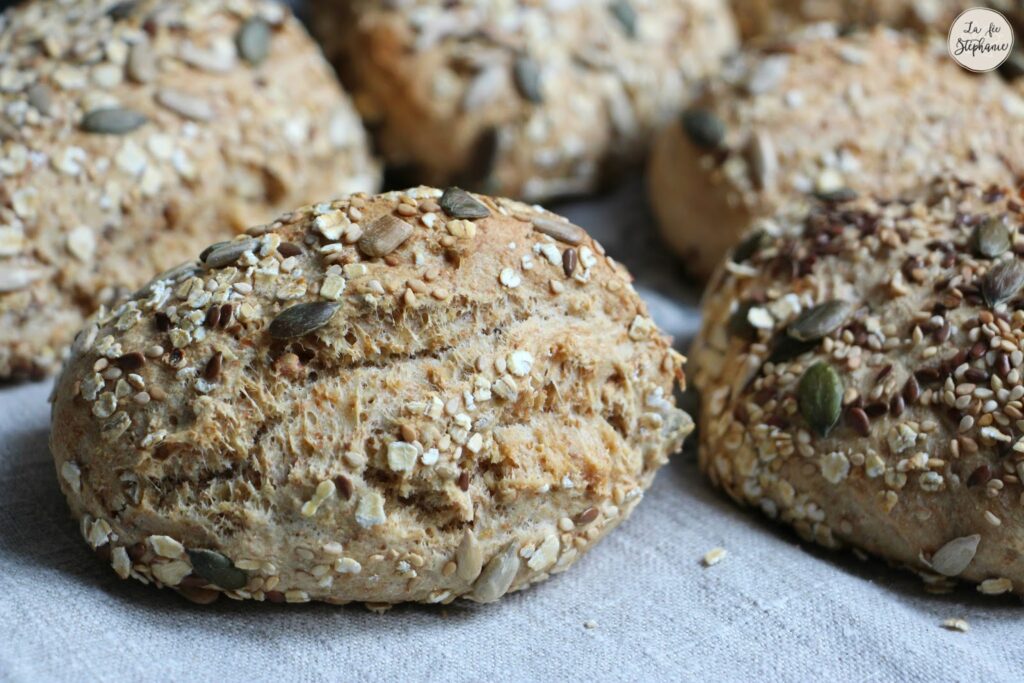
Gilding of special breads (like rye or multigrain bread): These breads often require a lower temperature, around 200°C, with an extended cooking time to allow deep cooking without burning the surface.
FAQ about Gilding in Bakery
What is the ideal temperature for browning a brioche?
The brioche reaches an excellent golden brown at an oven temperature of 190°C for approximately 20 to 25 minutes.
How to prevent gilding from becoming too dark or burnt?
Monitor the coloring regularly and, if necessary, cover the product with aluminum foil to protect the surface without stopping the cooking process.
Is there a pretreatment to improve the gilding?
Yes, the application of a light coating of beaten egg on the surface before baking can contribute to a more uniform and shiny browning.
Baker’s tips for perfecting gilding
The Essential Basics of Preparing Gilding
The quality of the gilding on bakery products such as breads or pastries relies mainly on the correct preparation of the mixture used for gilding, often composed of beaten egg. First, be sure to beat the egg completely, including the white and yolk, to obtain a smooth solution that ensures an even color when cooking. It’s also a good idea to add a small amount of milk or water to thin the mixture slightly, which can help achieve a finer, lighter browning.
Browning Techniques to Improve Texture and Flavor
Applying a good coat of gilding depends not only on the mixture, but also on the method of application. Using a soft, natural brush allows you to spread the gilding effectively without deflorating the dough. A tip is to apply a light first coat before the last proof, followed by a second application just before baking, thus maximizing the glossy and deliciously attractive effect of the crust.
In addition to the visual aspect, the ingredients added to the glaze can influence the flavor. Incorporating a pinch of salt or sugar can not only improve the taste but also contribute to the golden color when cooking.
Common Mistakes to Avoid for Perfect Gilding
Excessive application of glaze can result in a saturated look and heavy texture on the surface of your breads and pastries. Additionally, it is crucial to ensure that the brush is clean and free of any form of residue that could alter the taste and appearance of the gilding. Also, be careful not to leave any areas uncovered that could cook unevenly.
You also need to be careful about the oven temperature, as too high a heat can cause the gilding to brown prematurely, leaving the interior undercooked.
FAQs
What is the best egg for making gilding?
Whole eggs are typically used for egg wash, as they provide both beautiful color and optimal texture after cooking.
Can we replace the egg in egg wash for dietary reasons?
Yes, for a vegan option, you can use plant-based milk mixed with a touch of agave syrup or another natural sweet source to simulate the golden color of egg wash.
How to prevent gilding from browning too quickly?
It is advisable to monitor the cooking and place a sheet of aluminum foil on the pastries or breads if you notice that the gilding is taking on a color that is too dark too quickly, in order to protect the surface without altering the internal cooking.