


How to achieve impeccable cutting of your special breads?
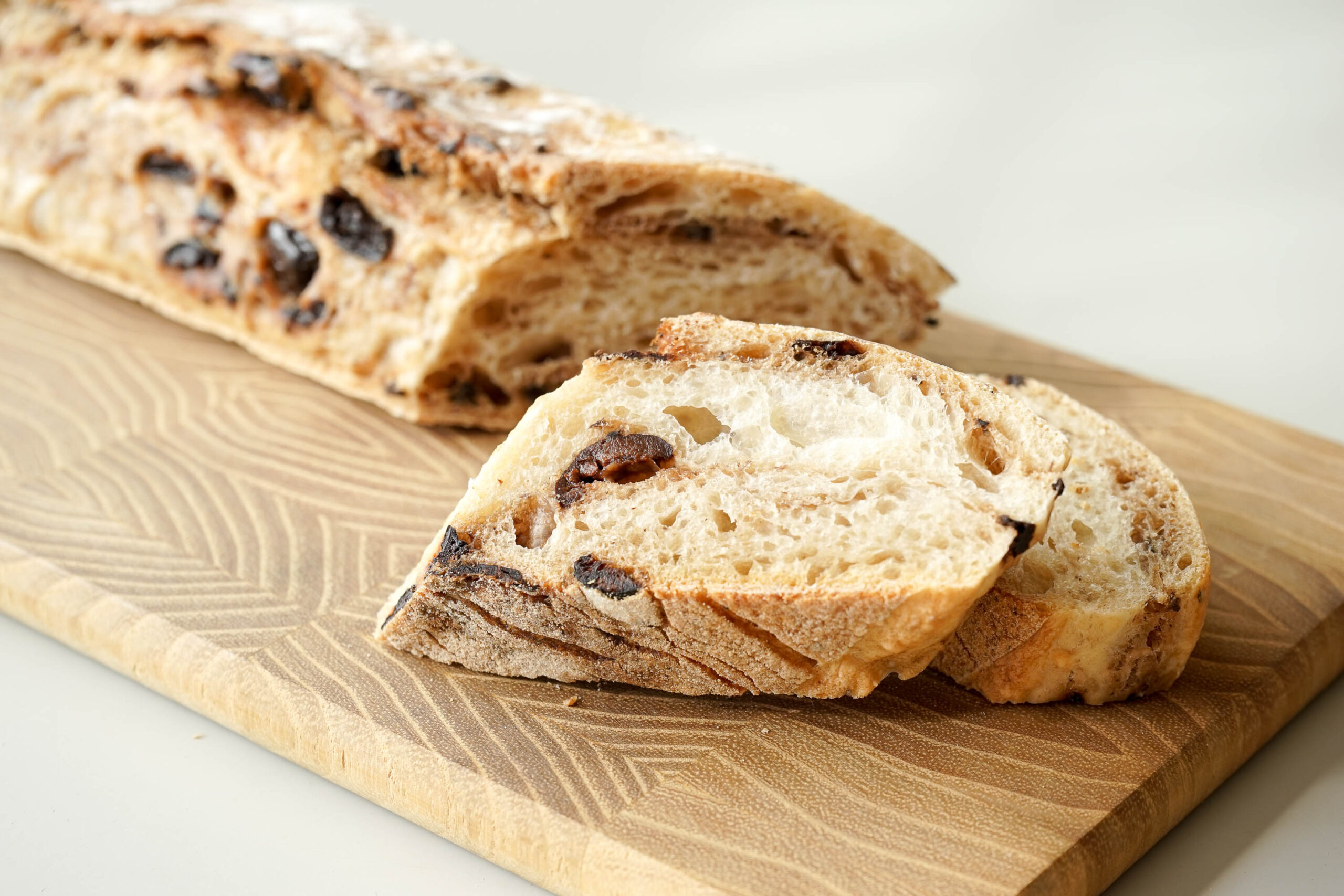

In this article, we look at the art of perfect cutting specialty breads, an essential skill for any passionate baker. We will explore precise techniques and recommended professional tools that guarantee impeccable presentation and optimal preservation of the texture and flavor of your baking creations. Whether you are an experienced artisan or an enlightened amateur, these tips will help you perfect the art of cutting to enhance each loaf you make.
Choosing the right knife for perfect cutting
Importance of the Right Knife for Cutting Bread
The selection of knife appropriate is crucial to obtain a perfect cut of the bread. A good knife not only preserves the texture and the structure bread but also to optimize the taste experience. The choice of knife also influences the effort required to cut and the regularity of the slices.
Characteristics of Bread Knives
Bread knives are mainly distinguished by their serrated blade. This specificity allows you to slice the hard crust of the bread without crushing the crumb, which is often soft and airy. There length blade size is also an important factor; a blade of at least 20cm is best to be able to handle different types and sizes of loaves. Furthermore, the steel quality used for the blade is an essential criterion, guaranteeing the durability and effectiveness of the knife over time.
Types of Blades and Their Use
Serrated blades are ideal for most breads, especially those with thick crusts. For more delicate breads like brioches, a less aggressive, finely serrated blade may be more appropriate to avoid compacting the texture. It is also essential that the blade is sharpened regularly to maintain an efficient and clean cut.
Choice of Handle for Better Ergonomics
The handle of the knife is no less important. A sleeve ergonomic reduces hand fatigue and improves cutting precision. Materials such as wood, reinforced plastic or even metal should be considered based on comfort of use and handling. A well-designed handle ensures better control of the knife, reducing the risk of slipping or accidents while cutting.
Maintenance of Bread Knives
- Cleaning : It is recommended to clean the knife by hand rather than in the dishwasher to preserve the sharpness of the blade.
- Sharpening : Sharpen the blade regularly to maintain optimal performance. Use a sharpening stone or sharpener suitable for serrated blades.
- Storage : Store the knife in a knife block or magnetic holder to avoid damage.
Bread Cutting FAQ
What is the ideal length for a bread knife blade?
A blade of at least 20 cm is ideal for handling different types of bread, ensuring a complete cut of even the widest loaves.
Can you use a bread knife for other foods?
Yes, bread knives can also be used to cut cakes, buns and even hard-skinned fruits and vegetables like melons or pumpkins.
How to sharpen a serrated blade?
Use a sharpening steel designed specifically for serrated blades or consult a professional for suitable sharpening.
Articles sur le même Sujet
Preparing the bread before cutting
Proper temperature and rest of the bread
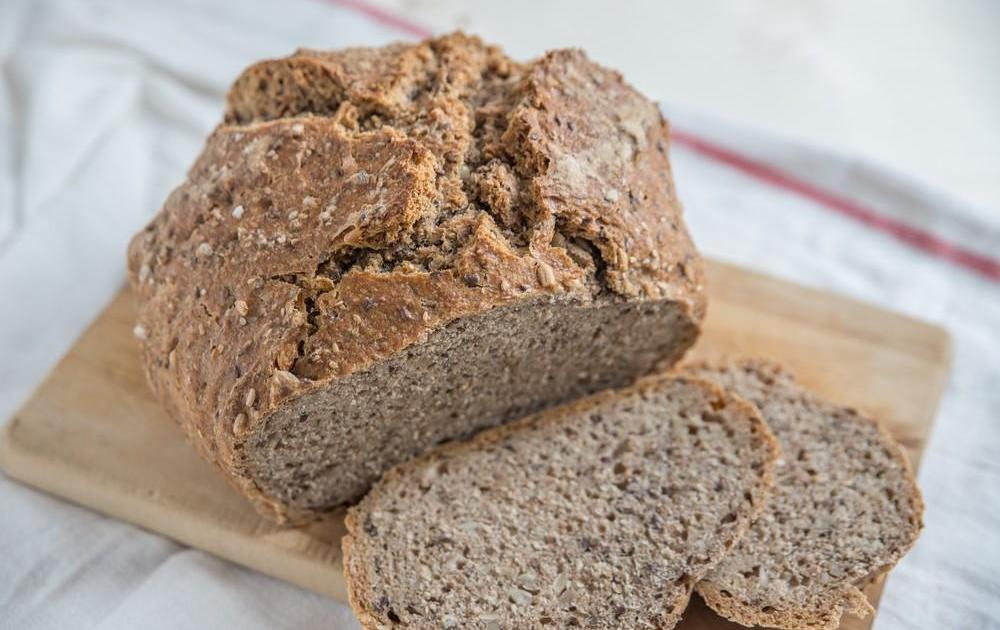
One of the first essential aspects in the preparation of bread before cutout is respecting the temperature and rest time. After baking, it is crucial to let the bread cool on a rack to prevent condensation from softening the crust. This process also allows the crumb to firm up, making it easier to cut cleanly and precisely. Ideally, a loaf should rest for at least an hour before being sliced.
Suitable tools for cutting
The choice of cutting tool plays a key role in obtaining regular slices without damaging the structure of the bread. The use of a bread knife with a toothed blade is recommended. This type of knife allows you to slice the hard crust without compressing the crumb. It is important to check that the blade is long enough to cut large loaves and that it is sharp to minimize effort and preserve the texture of the bread.
Cutting techniques
The cutting technique varies depending on the type of bread. For soft, voluminous bread, use a gentle sawing technique, letting the knife work rather than pushing down. For breads with a hard crust, such as country bread, apply light pressure at the start of cutting to break into the crust, then continue with gentler back and forth movements. Keeping the bread stable while cutting is also crucial; the use of a anti slip carpet or a clean cloth can help effectively.
Storage and refreshing of bread
After cutting, the way the bread is stored can affect its freshness and texture. To preserve the costs, it is advisable to store it in a cool, dry place, wrapped in a linen cloth or in a paper bread bag. If the bread begins to harden, it can be refreshed by quickly putting it in the oven. Heating the bread at 150°C for a few minutes can restore the crust’s crispness and the crumb’s tenderness.
FAQs
- How long should you let bread cool before cutting it?
It is recommended to let the bread cool for at least an hour before slicing. - What type of knife is best suited for cutting bread?
A bread knife with a sharp, toothed blade is ideal for cutting different types of bread. - How to store slices of bread so they stay fresh?
Slices of bread are best stored in a paper bag or wrapped in linen cloth, in a dry place and protected from humidity.
Articles sur le même Sujet
Cutting techniques for different types of specialty breads
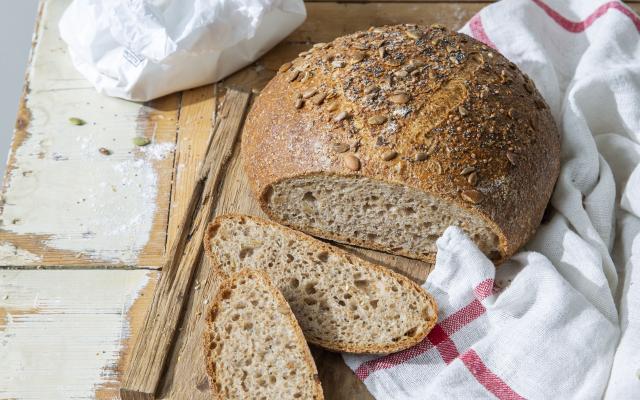
Cutting bread, although seemingly simple, is an art that requires precision and a good knowledge of the different textures of bread. Each type of special bread, whether dense, soft or crispy, requires a suitable cutting technique to preserve its organoleptic qualities and facilitate its tasting.
The Traditional Baguette
The traditional baguette, with its crispy crust and airy crumb, requires a specific cutting technique. Use a bread saw with very sharp teeth. Cutting should be quick and decisive to avoid crushing the crumb while still cutting cleanly through the crust. It’s best to hold the baguette firmly and cut at an angle to get optimally sized slices for a variety of uses, from sandwiches to meal accompaniments.
Rye Breads and Other Dense Breads
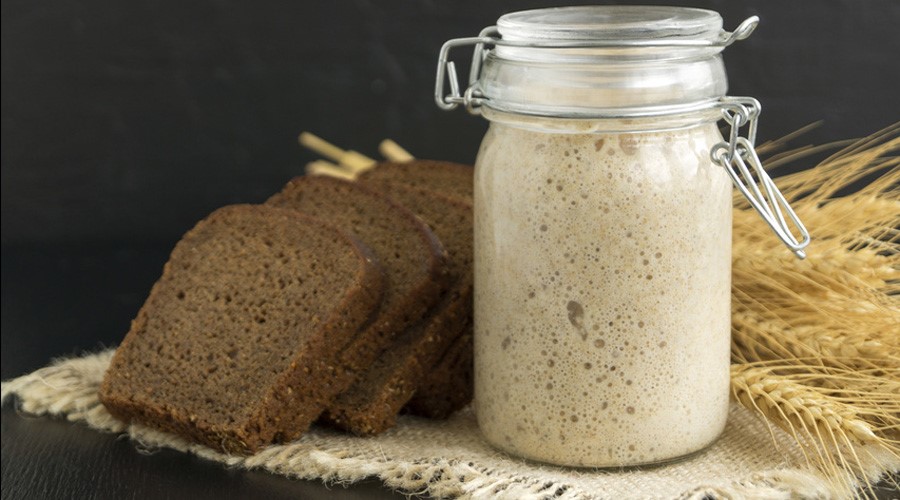
THE rye breads and other denser varieties like pumpernickel require a sturdier blade. A toothed blade is ideal here, as it allows you to get through the density of the crumb without pulling or tearing the bread. It is important to make smooth and even cuts, applying light pressure to maintain the integrity of each slice.
Cereal and Multi-Grain Breads
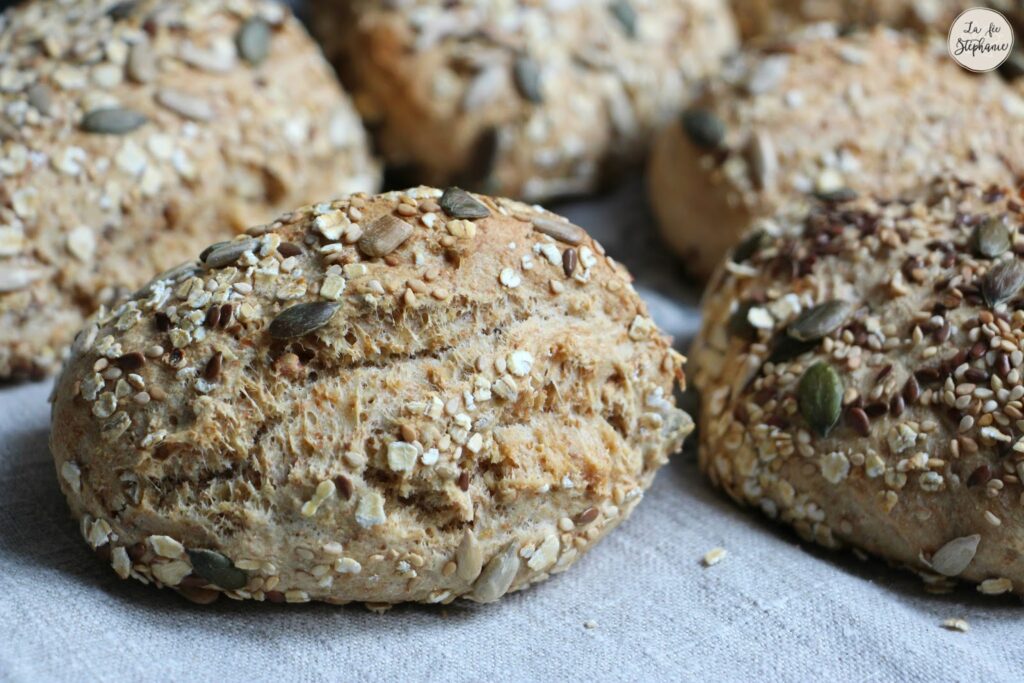
Breads enriched with grains and seeds benefit from a slightly different approach. The presence of whole grains and seeds can make the cutting irregular if an inappropriate technique is used. A long, thin blade is recommended for these types of bread, allowing straight and clean cuts which do not disrupt the distribution of seeds in the crumb.
Focaccia and Ciabatta Breads
Italian breads like focaccia and the ciabatta, with their airy, oily texture, are best cut using a wide, flat, non-toothed blade. This configuration allows slicing without excessive pressure on the honeycomb structure of the bread, thus preserving the lightness and elasticity of the crumb. Cut into rectangles or squares according to the desired presentation, using clean and precise movements.
Bread Cutting Techniques FAQ
What type of knife is best suited for cutting a baguette?
A bread knife with a sharp, toothed blade is ideal for cutting a baguette, allowing you to slice cleanly through the crust without crushing the crumb.
How to efficiently cut dense bread like rye?
Use a sturdy toothed blade and make gentle, even cuts to avoid tearing the bread while preserving the texture of the crumb.
Is there a specific technique for seed-rich breads?
Yes, it is advisable to use a long, thin blade to make straight, clean cuts, which helps maintain good seed distribution in the bread.
Articles sur le même Sujet

Common Mistakes to Avoid When Cutting Bread
Using an unsuitable knife
One of fundamental errors When cutting bread is using an inappropriate knife. To efficiently cut bread, particularly with a hard crust and an soft crumb, it is crucial to choose a bread knife with sharp teeth. An incorrectly fitted knife can crush the bread, altering its texture and making cutting difficult. It is therefore essential to ensure that the knife is specially designed for this task and sharp enough to slice without excessive pressure on the crumb.
Poor cutting technique
The cutting technique is just as important as the tool used. It is recommended to cut the bread using a sawing motion rather than vertical pressure, which helps preserve the structure of the crumb. A good method is to place the bread on a stable board and hold it firmly with one hand while cutting with the other. Actions must be regular and measured to avoid flattening the bread or tearing it.
Ignore rest time
Another common mistake is slicing bread immediately after it comes out of the oven. Warm bread is tempting, but cutting it too soon can cause steam and heat to be released, making the crumb gummy. It is crucial to leave the bread rest and cool completely, which allows the internal structure to stabilize and the aromas to fully develop. In general, a resting time of at least half an hour is recommended for most types of bread.
FAQs
- What type of knife is best suited for cutting bread?
A bread knife with sharp teeth is ideal, as it allows you to cut the crust without crushing the crumb. - How to avoid crushing bread while cutting?
Use a sawing motion and maintain light pressure to allow the teeth of the knife to do the work without crushing the crumb. - How long should I let bread rest before cutting it?
It is often recommended to let bread cool and rest for at least 30 minutes after baking to optimize texture and taste.
Articles sur le même Sujet

Maintaining the freshness of the bread after cutting
Factors influencing bread freshness
There freshness of bread is affected primarily by moisture loss and staling. Once the bread is cut, the contact surface with the air increases, accelerating these processes. Understanding these mechanisms is crucial to optimize conservation methods.
Home preservation methods
To maintain the freshness of the bread after cutting, different techniques can be adopted at home:
- Adequate packaging: Use plastic wrap, aluminum foil or specialized bread boxes to limit exposure to air.
- Ambient temperature: Store bread in a cool, dry place away from direct heat sources to slow the growth of mold.
- Using the freezer: Freezing sliced bread preserves its texture and flavor for later use. It is important to wrap the bread well to prevent it from drying out in the cold.
Advanced conservation techniques
Beyond traditional methods, more advanced techniques can be explored:
- Silica gel: Using silica gel packets in the bread container can absorb excess moisture, extending the life of the bread.
- Air conditioners: Some modern air conditioners have settings that can help control ambient humidity, thus benefiting bread preservation.
- Vacuum packaging machines: Although more expensive, these machines can significantly extend the freshness of bread by removing air around the product.
Bread Storage FAQ
What’s the best way to keep bread fresh after cutting it?
Wrapping bread in plastic wrap or placing it in a dedicated bread box are two of the most effective methods for maintaining freshness after cutting.
Is it better to store bread in the refrigerator?
No, the refrigerator can speed up the staling process of bread. It is best stored at room temperature or frozen for long-term storage.
How to prevent mold on cut bread?
Ensuring good ventilation and avoiding storing bread in damp or poorly ventilated areas can significantly reduce the risk of mold.
Chef tips for attractive presentations
Basic Techniques
The cutting of the bread plays a crucial role in the presentation of baked goods. Using the right method can not only improve the appearance, but also affect the texture and taste of the bread. One of the first techniques is to choose the right tool. The bread knife, with its toothed blade, is perfect for slicing without crushing. The size of the blade must be adapted to that of the bread to allow clean and uniform cutting.
Before starting to cut, it is imperative to let the bread cool after baking. Bread that is still warm is more likely to crush or tear when cutting. The precision in the cutting angle also influences the shape of the slices. A 45 degree tilt is ideal for elegant diagonal slices, perfect for sandwiches or beautiful buffet presentations.
Advanced Techniques for Original Cutouts
Let’s explore more advanced techniques for transforming an ordinary loaf into an artistic work. A popular method is ladder cutting, ideal for baguette bread. This technique consists of making parallel incisions while maintaining the base, thus creating a captivating visual effect while making it easier to take the slices.
The so-called “hedgehog” technique, on the other hand, involves making diagonal incisions in two opposite directions, forming triangles that can easily be pulled apart. This method is particularly appreciated during convivial meals, because it allows bread to be shared in a fun and aesthetic way.
The Visual and the Practical: Perfect Balance
The balance between aesthetics and functionality must always be maintained. A voucher baker knows that form should follow function, especially when it comes to products intended for consumption. For example, cutouts should not only be attractive, they should also highlight the texture and quality of the bread, such as a perfectly crisp crust and airy crumb.
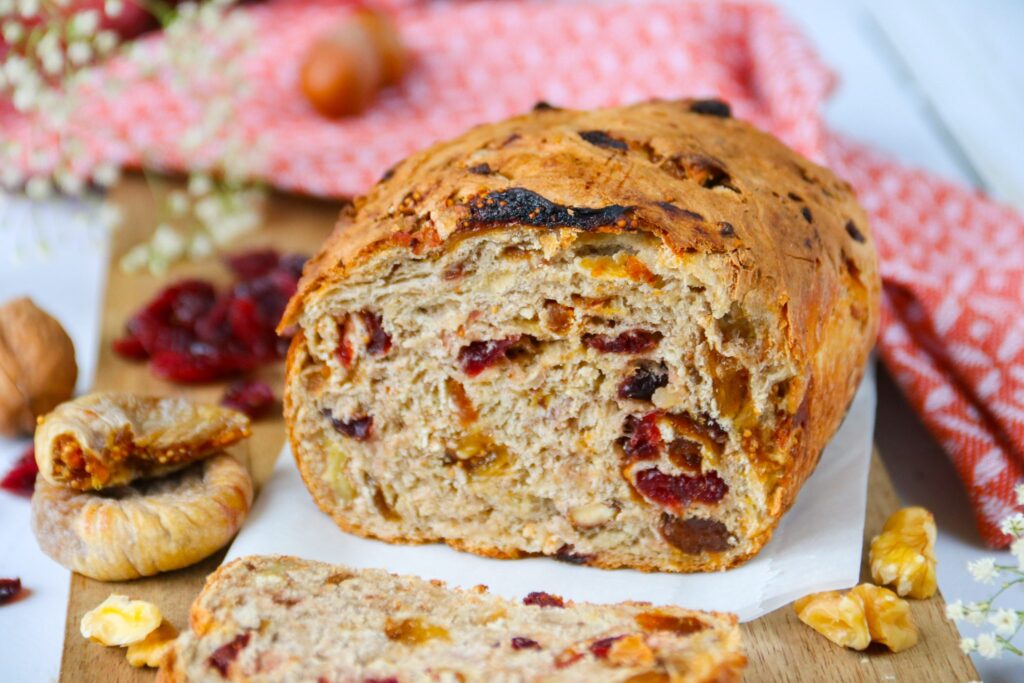
Finally, for breads with toppings like olives or nuts, it is essential to distribute the incisions so that each slice contains a fair amount of toppings. This not only optimizes the taste experience but also ensures a harmonious presentation.
Bread Cutting FAQ
When is the best time to cut bread after baking?
It is best to wait until the bread has completely cooled before cutting it. This helps minimize crushing of the crumb and preserves the structure of the bread.
How to choose the right knife for cutting bread?
Opt for a bread knife with sharp enough teeth and a blade long enough to cross the width of the bread. Make sure the handle is comfortable to allow precise and safe cutting.
Are there any specific techniques for cutting bread with irregular shapes?
Yes, for unconventionally shaped loaves, it is often advisable to use the “cake slice” cutting method, i.e. cut into segments starting from the center for round loaves, or adapt the angle of the cut to the shape of the loaf to preserve both presentation and ease of service.