


How to choose practical and smart bakery equipment?


Discover in this article the keys to choosing bakery equipment that is both practical and smart, guaranteeing performance and quality in your daily creations. A wise investment for artisans wishing to perfect their art while optimizing their space and working time.
Understand your real needs for bakery equipment
Identification of Essential Equipment
To start or modernize a bakery, it is essential to choose your equipment correctly. The identification of essential equipment will depend significantly on the size of your establishment, the variety of products offered and your production volume. A bakery Well-equipped should at least include a bread oven adapted to your needs, whether electric or convection, a shaper, a divider and a sturdy mixer.
It is also advisable to provide auxiliary equipment, such as stainless steel work tables, a controlled fermentation chamber and mobile ingredient bins. Each of these elements must be chosen according to the desired ergonomics and hygiene standards.
Analysis of Production and Available Space
The size and layout of the space allocated to the bakery will play a determining role in the choice of equipment. It is important to evaluate the available space to optimize the configuration of machines and workstations, while ensuring smooth circulation of operators. This aspect is crucial to maintain a optimal efficiency in daily production.
It is also necessary to take into account production forecasts. High production capacity will justify investment in higher-performance, more automated equipment, which can increase production while decreasing laborious costs.
Budget Considerations and Return on Investment
The budget is a determining factor in the acquisition of bakery equipment. Evaluating the cost of machines based on their quality, durability and energy efficiency is crucial. Finding good value for money will ensure return on investment optimal. Acquiring second-hand equipment can be an economical solution, but it will require increased vigilance regarding the general condition and wear of the machines.
The long-term projection of the use of the equipment will make it possible to evaluate the benefit in relation to the initial cost. Including maintenance costs and possible replacement parts requirements for each piece of equipment in this projection is crucial for an accurate assessment.
FAQ – Frequently Asked Questions
- What equipment is essential for starting a bakery? Essential equipment for opening a bakery includes a suitable oven, dough mixer, divider and moulder.
- How to assess the size of the equipment needed? By evaluating the desired production quantity and the space available in your premises. These factors will help determine the size and type of equipment required.
- Is it beneficial to buy used equipment? This can be beneficial from a budget standpoint, but requires careful inspection to ensure the condition and reliability of the equipment.
Articles sur le même Sujet


Selection criteria for equipment that is both efficient and economical
Importance of selection criteria
When purchasingbakery equipment, carefully considering the selection criteria is essential to optimize the performance and the profitability of your activity. Choosing the right equipment not only improves production efficiency but also reduces costs in the long term.
Determine the specific needs of the bakery
Before any purchase, it is essential to precisely define the needs of your bakery. This includes evaluating the production volume, the variety of products to be made (breads, pastries, pastries), and the space available. These factors directly influence the type of equipment and its capacity.
Evaluate quality and durability
Quality and durability are two essential aspects. Opt for robust machines designed for intensive use. Check the materials used, safety certifications and user reviews to ensure the longevity of the equipment.
Consideration of energy efficiency
L’energetic efficiency must be a priority. Choosing equipment that consumes less energy can significantly reduce operational costs. Look for devices with energy labels or advanced technologies that reduce energy consumption.
Ease of use and maintenance
Equipment that is easy to use and maintain will improve productivity and reduce downtime. Choose machines with intuitive user interfaces and easy access for cleaning and technical maintenance.
Compare prices and guarantees
Comparing prices is crucial but it is also important to consider the services and guarantees offered. Equipment may be more expensive but offer better after-sales service and extended warranties, which can be beneficial in the long run.
FAQs
What are the essential equipment in a bakery?
In a bakery, the essential equipment include the oven, the kneader, the shaper, the fermentation chamber and the rolling mill.
How to Calculate ROI for Bakery Equipment?
To calculate the return on investment, evaluate the total cost of the equipment and estimate the increase in production or reduction in labor costs that it will generate. Compare these gains with the initial cost to determine profitability.
Is it better to buy new or used equipment?
The purchase ofnew equipment is often recommended to benefit from the latest technologies and guarantees. However, used equipment can be an economical option if you carefully check its condition and history.
Articles sur le même Sujet

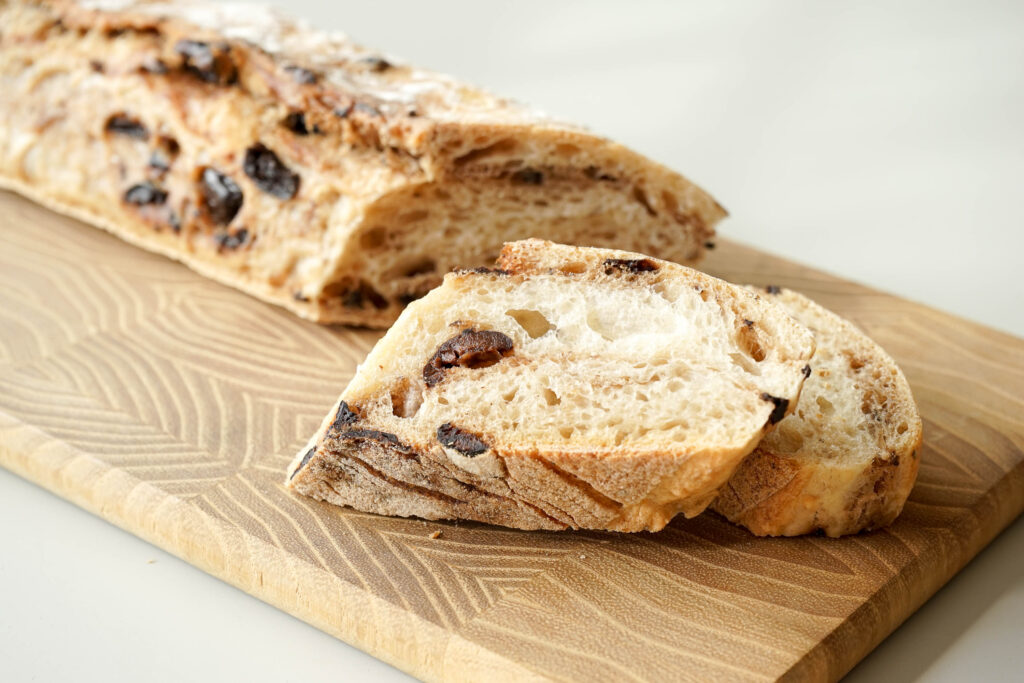
The importance of size and available space
Choose Equipment Based on Available Space
In the layout of a bakery, the selection ofadequate equipment is crucial and should be dictated by the size and configuration of the workspace. A well-organized space promotes fluid circulation of staff and efficient production. It is essential to accurately measure the available space before purchasing any equipment. This includes ceiling height, as well as floor space to allow for a flexible and scalable layout.
Professionals should consider multifunctional or modular equipment to maximize space utilization without compromising production quality. For example, modular deck ovens or plunge arm mixers which can be adapted according to production volumes and available space.
Impact of Equipment Size on Production
The acquisition of equipment right size bakery directly influences production capacity. Equipment that is too large for the allocated space can cause operational constraints, while equipment that is too small can limit your ability to meet customer demand. It is therefore crucial to choose equipment that is proportionate not only to the space, but also to your short and long term production goals.
Identifying the perfect balance between equipment size and available workspace requires an understanding of desired production volumes and anticipation of your business’s future needs. The ability to expand equipment, such as adding additional modules in ovens or being able to increase mixer capacities, can be beneficial.
Importance of Space Optimization for Safety and Hygiene
In addition to production and functionality aspects, optimizing space utilization in a bakery plays a crucial role in terms of safety and hygiene. Minimal space requirements are essential to ensure a safe work area, minimizing the risk of workplace accidents. Likewise, sufficient space between equipment facilitates cleaning and maintaining the high hygiene standards necessary in the food industry.
Solutions such as custom worktops or built-in equipment can be explored to improve the integration of equipment into the available space. This not only helps maintain order and cleanliness, but also ensures a more pleasant and functional working environment for staff.
Space Optimization for Operational Flexibility
Exploring solutions that provide operational flexibility can provide a competitive advantage. For example, the use of casters on certain equipment, such as proofing cabinets or portable shelves, can allow the space to be easily reconfigured according to the needs of the day and different seasons.
Space adaptability is especially important in bakeries that offer a diverse range of products or host special events. This allows bakeries to quickly adapt to fluctuations in demand and maximize operational efficiency.
Key criteria include equipment dimensions, ease of cleaning and maintenance, capacity for modularity and potential for future expansion.
Prioritize the purchase of equipment with built-in safety features and organize the space for a clear, unobstructed workflow.
Yes, by opting for multifunctional or modular equipment and improving the efficiency of operational processes.
Articles sur le même Sujet

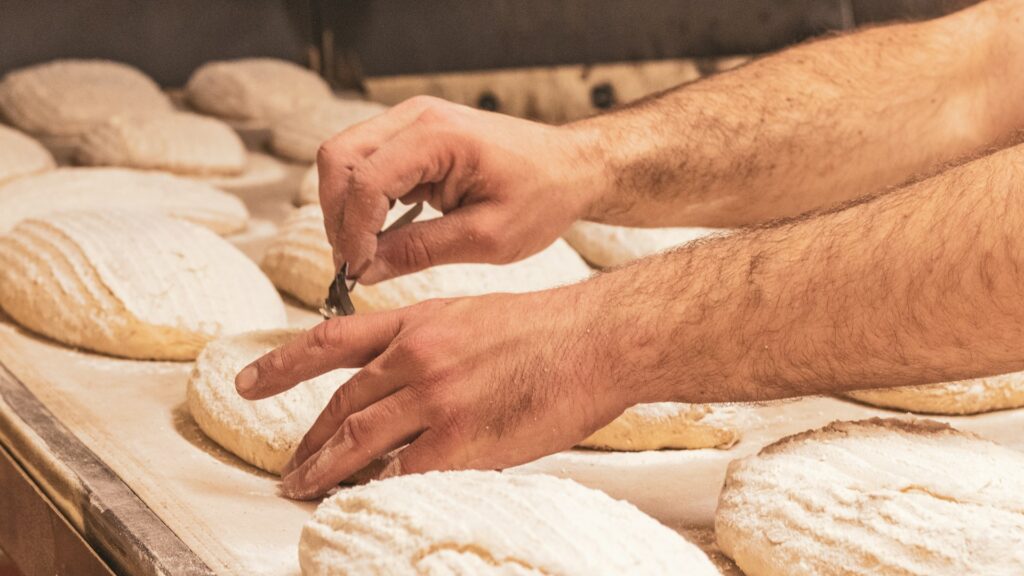
Investing in innovative and sustainable technologies
Advantages of advanced bakery equipment
Faced with current environmental and economic challenges, the adoption ofsustainable bakery equipment proves crucial for professionals in the sector. These technologies not only optimize energy consumption but also improve operational efficiency. The use of energy-efficient ovens or automated temperature management systems can significantly reduce energy costs while supporting ecological initiatives.
Additionally, advanced equipment provides increased precision in fermentation and cooking processes, resulting in consistent quality of finished products. This regularity is essential to build customer loyalty and maintain a reputation for quality.
Financial Implications of Equipment Modernization
The initial cost of acquiring advanced baking technology can be high. However, this investment is often quickly recouped through savings on energy costs and reduced maintenance costs. In addition, several governments and financial institutions offer aid and tax credits to encourage investments in eco-responsible equipment.
A detailed return on investment (ROI) analysis should be carried out before making such purchases. Considering factors such as equipment lifespan, expected energy savings and potential revenue increase due to improved product quality and efficiency is crucial.
Impact on the ecological footprint of the bakery
Investing in innovative equipment significantly reduces the ecological footprint of a bakery. Modern technologies are designed to limit waste and use less water and energy. For example, high-efficiency mixers and adjustable dividers help minimize raw material losses while optimizing production processes.
The adoption of these technologies not only supports sustainable business practices but also strengthens corporate social responsibility. Communicating this ecological commitment can also strengthen the brand image among consumers who are increasingly concerned about the environment.
Choosing the right partners and suppliers
The selection of reliable and recognized suppliers for the purchase of bakery equipment is essential. It is recommended to choose partners who not only provide advanced technologies but also offer ongoing support and after-sales services. These criteria not only guarantee the longevity of the devices, but also smooth adaptation to new technologies.
Bakeries may also consider training for their staff to maximize the use of new technologies. A thorough understanding of how equipment works is essential to getting the most out of it and maintaining optimal efficiency.
FAQs on sustainable technologies in baking
What are the main benefits of adopting sustainable technologies in baking?
The main benefits include reduced operational costs, improved product quality and consistency, and a significant reduction in the company’s environmental impact.
How long does it take to recoup the investment in new bakery equipment?
Although it varies depending on equipment types and specific uses, most bakeries see a return on investment within two to five years of purchase, thanks to savings on energy and maintenance costs.
How do I select the right equipment for my bakery?
It is crucial to assess the specific needs of your bakery, including production volume, product types and sustainability goals. Consulting experts and choosing vendors renowned for their sustainable technologies and customer support are also important steps in the selection process.
Articles sur le même Sujet


Evaluate value for money before purchasing
Identification of Bakery Equipment Needs
Before investing in new bakery equipment, it is crucial to precisely determine the specific needs of your establishment. This includes assessing the desired production capacity, the type of products you plan to produce, and the space available in your workshop or kitchen. A thorough analysis of these elements ensures that you select equipment that perfectly matches your professional requirements without unnecessary oversizing.
Comparison of Options and Providers
Selecting the right equipment requires careful comparison between different models and suppliers. It’s a good idea to review product reviews and ratings, look for robust warranties, and consider suppliers’ reputation for after-sales service. Attending trade shows or viewing product demonstrations can also provide valuable insights into equipment performance and reliability.
Total Cost of Acquisition Analysis
The purchase price is often the main factor considered when acquiring bakery equipment. However, it is essential to assess the total cost of ownership, which includes not only the initial price but also the costs of installation, maintenance, repair and long-term operation. Selecting energy-efficient and easy-to-maintain equipment can significantly reduce future expenses.
Consideration of Sustainability and Scalability
Investing in durable and scalable bakery equipment ensures long-term value for your business. It is best to opt for machines that can be easily upgraded or modified to meet future needs. This criterion is particularly important in an ever-changing sector like baking, where quickly adapting to new market trends can be crucial to business success.
Product Quality Impact Assessment
The choice of equipment has a direct impact on quality breads, pastries and other bakery products. Ensure that the machines selected support your ability to maintain or improve the quality standards your customers expect. For example, ovens with precise temperature and humidity control can contribute to more even cooking and better texture of finished products.
Bakery Equipment FAQ
What is the most important equipment to consider when setting up a new bakery?
The centerpiece of any bakery is undoubtedly the oven, which must be chosen according to the type and volume of products planned. Other key equipment includes kneaders, shapers, and fermentation chambers.
How to minimize operating costs of bakery equipment?
Choosing energy-efficient equipment and maintaining regular maintenance can significantly reduce energy and repair costs. Additionally, training staff in the correct use of machines can prevent frequent breakdowns.
Is it better to buy new or used equipment?
Buying new equipment usually guarantees the latest technology and comes with comprehensive warranties, while buying used equipment can be economical but risky. It is crucial to evaluate the condition and history of used equipment before purchasing.
Maintenance and servicing: keys to the longevity of your equipment
Importance of Preventive Maintenance
Preventive maintenance is essential to ensure the longevity and efficiency of bakery equipment. It consists of carrying out regular checks and interventions before problems arise. This significantly reduces the risk of breakdowns and untimely interruptions in production, which can be costly for a bakery.
The actions of Preventive maintenance include checking the condition of components, lubricating moving parts, replacing worn parts and updating control systems. A maintenance schedule must be established and strictly followed to ensure the effectiveness of the process.
Maintenance Techniques Specific to Bakery Equipment
Each type of equipment in a bakery requires a specific approach to maintenance. For example, the bread ovens should be cleaned regularly to avoid the accumulation of cooking residues which can affect the quality of the bread or even become a fire hazard. Mixers, for their part, require frequent checks of their mechanisms and safety features to ensure optimal operation.
It is crucial to verify the proper functioning of thermometers and control systems, especially in equipment that depends on temperature accuracy, such as fermentation chambers.
Staff Training in Routine Maintenance
Staff training plays a fundamental role in the daily maintenance of equipment. Employees should be trained to identify warning signs of malfunction and perform basic maintenance tasks. This includes cleaning machines, checking seals and filters, and tightening loose components.
Well-trained personnel can also help extend the life of equipment by using machines correctly and avoiding practices that could damage them.
Involve Professionals for Technical Reviews
Despite the importance of internal maintenance, certain aspects of upkeep require the intervention of specialized professionals. Extensive technical overhauls, complex repairs and machine upgrades should be carried out by qualified technicians.
Professional intervention ensures that repairs and adjustments are made to industry standards, and can often prevent major failures before they occur.
FAQs
What is the ideal preventive maintenance frequency for bakery equipment?
Frequency depends on the type of equipment and its usage, but a monthly inspection is recommended for most equipment, with some requiring more frequent checks.
What are the signs that bakery equipment needs immediate maintenance?
Unusual noises, decreased efficiency, overheating, or sudden shutdowns are all indicators that maintenance is needed.
How can neglected maintenance affect a bakery?
It can lead to costly breakdowns, production interruptions, reduced product quality and, in the worst cases, workplace accidents.