


How to make your banneton?


In this article, we’ll explore together the art of making your own banneton, an essential accessory for any baking enthusiast wanting to perfect the shape and texture of their bread. You will discover the necessary materials, the detailed steps and professional tips to make your homemade banneton a success, thus improving the aesthetic and taste quality of your breads. Let’s dive into the fascinating world of artisanal baking!
Choosing materials for a homemade banneton
Wood, Wicker or Plastic: Comparison of Materials
When it comes to making a banneton bread for use in bakery professional or at home, three materials predominate: wood, wicker and plastic. Each material has its own advantages and disadvantages, influencing both the fermentation process and the shape of the homemade bread.
The bannetons in wicker are popular for their ability to absorb moisture, which allows optimal dough growth. Wicker is also highly valued for the traditional patterns it imprints on bread, adding a characteristic aesthetic appearance. However, they require regular maintenance to prevent mold from forming.
The bannetons in drink, often created from cedar or pine wood, offer notable robustness and increased longevity. They support the weight of heavier doughs well and contribute to a well-formed, crispy crust but can be more difficult to clean than other materials.
As for the bannetons in plastic, their main advantage lies in their ease of cleaning and their durability. They are particularly suitable for professional bakery environments where efficiency and hygiene are paramount. While plastic does not promote moisture absorption, it is ideal for large productions where consistency is key.
Impact on Bread Quality and Texture
The material of the banneton directly influences the quality and texture of the homemade bread. In bakery, managing the humidity and temperature of the dough is crucial to obtaining quality bread. Wicker and wooden bannetons, thanks to their absorbent properties, promote a thick and crispy crust, while allowing the dough to breathe properly.
However, for lovers of homemade bread with a very airy and light crumb (crumb), plastic can be a suitable option. Simple to use and maintain, it keeps the dough at a constant humidity, which is less ideal for the formation of thick crusts but excellent for a fine, homogeneous crumb.
Ecological and Longevity Considerations
The durability of materials and their environmental impact are also important considerations for those favoring an ecological approach. Wicker and wooden bannetons are often preferred for their renewable and biodegradable nature. However, they may require more frequent replacement if not maintained properly.
Plastic, although less ecological at first glance, offers greater strength and durability, which can be seen as an advantage from a waste reduction point of view. The choice of material can therefore involve a compromise between ecological impact and long-term economy.
In terms of maintenance, wood and wicker require careful cleaning, sometimes with specific products to preserve their integrity and prevent mold, while plastic is significantly more tolerant of regular and intensive cleaning.
FAQ for Banneton Bread
1. How to properly maintain a wicker banneton to prolong its life?
It is recommended to clean it regularly with a brush and dry it completely before storing it. Avoid using water, but if washing is necessary, make sure it is completely dry to prevent mildew.
2. Can a plastic banneton affect the taste of bread?
No, the plastic used in professional bannetons is food safe and designed not to interact with the dough or alter the taste of the bread.
3. What is the best material for a baking beginner?
Wicker is generally recommended for beginners due to its effectiveness in managing humidity and inducing a beautiful shape and texture to bread. However, those looking for an easier-to-maintain option can opt for plastic.
Articles sur le même Sujet
Step-by-step guide to making
Materials choice
The first step in making a banneton bread involves selecting the appropriate material. Traditionally, bannetons are made of wicker or rattan, providing good ventilation and contributing to the formation of a crispy crust. Modern options also include plastic or compressed wood bannetons, which can be easier to clean and maintain.
Design and Dimensions
Once the material has been chosen, it is necessary to determine the dimensions of the banneton. Sizes generally vary depending on the type of homemade bread that you want to prepare. The dimensions must allow the bread to rise without constraint while maintaining its desired shape. Also allow a little margin to allow the dough to expand during rising.
Mold Manufacturing
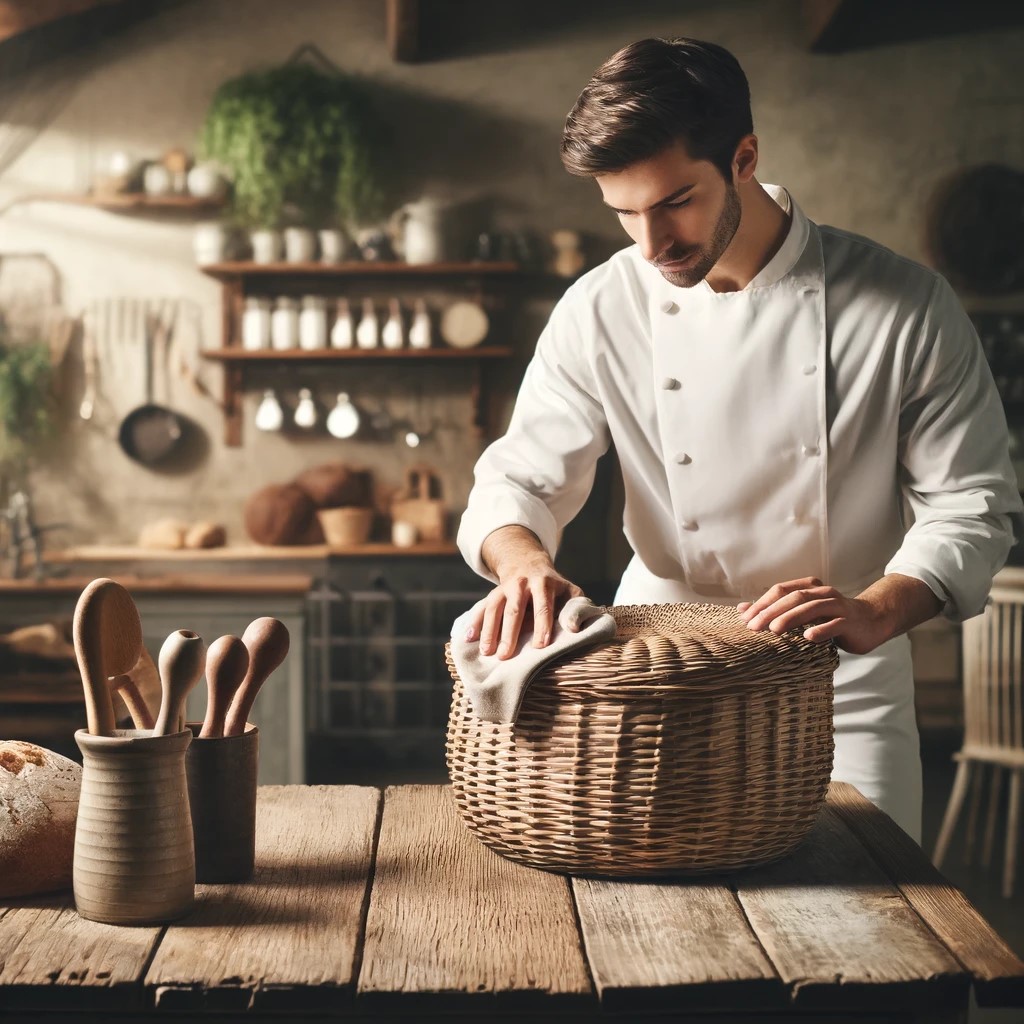
For those opting for materials such as wicker or rattan, mold making begins with cutting the strips, which are then soaked in water to make them more manageable. They are braided around a template to obtain the desired shape. The joints must be tight to prevent the dough from escaping during rising.
Coating and Surface Treatment
It is crucial to treat the surface of the banneton well to prevent the dough from sticking. This may involve applying flour before each use, or using linen or cotton cloths that wrap the inside of the banneton. Some prefer a natural treatment method using a salt water solution to waterproof and protect the wood or wicker.
Maintenance and Storage
The maintenance of the banneton is essential to guarantee its longevity and the quality of the homemade bread. After each use, it is recommended to remove flour residue and allow the banneton to dry completely. Storage should be done in a dry place to avoid the formation of mold or unwanted odors.
FAQs
- What is the best material for a banneton? The choice of material depends on your personal preference and the requirements of your bread making process. Wicker is very popular for its ability to let air pass through, while plastic offers easier cleaning.
- How to prevent dough from sticking to banneton? Using flour regularly before shaping dough is a common method. Linen or cotton fabrics can also be used to line the inside of the banneton.
- How often should you clean a banneton? It is advisable to clean the banneton after each use to remove dough and flour residue, and to allow it to dry completely before storing to avoid mold.
Articles sur le même Sujet


Tips for maintaining your banneton
Initial Cleaning of the Banneton
For fans of bakery professional or amateur, the banneton is an essential tool for shaping the homemade bread. Before the first use and after purchasing a new banneton, it is crucial to clean it properly. Start by brushing it lightly with a dry brush to remove any remaining fibers or dust. Then wipe it with a damp cloth and let it air dry completely before using it for shaping bread.
Regular Maintenance to Preserve Quality
After each use, it is recommended to remove flour residue using a dry brush. Avoid using water as humidity can encourage mold growth. If the banneton begins to have an odor or a small amount of mold, you can clean it with a mixture of hot water and vinegar, then dry it in the sun. It is also beneficial to place it in a warm, dry place between uses to avoid any residual moisture.
Choice and Use of Coatings
Using a canvas or cloth to cover the banneton before putting the dough on it can make cleanup a lot easier. This layer acts as a barrier between the paste and the wood, preventing adhesion and dirt. Make sure the textile used is clean and free of residue to avoid contamination of the homemade bread. After use, remove it and wash it separately.
Tips for a Deep Interview
If deeper cleaning is necessary, particularly in cases of visible contamination or recurring mold, a baking soda solution can be used. Apply a paste of baking soda and water to the affected areas, leave for an hour, then gently brush and dry completely. Occasional exposure to sunlight can also help disinfect and eliminate odors naturally.
Banneton Maintenance FAQ
How do I know if my banneton is too worn to use?
Signs of excessive wear include deep cracks, a lingering odor despite cleaning, or warping that affects the shape of the loaf. In these cases, it is best to replace the banneton.
Can you machine wash a banneton?
No, machine washing is not recommended for bannetons, as this can damage them and alter their shape and structural integrity. Cleaning must be done manually, as described previously.
Are there alternatives to traditional wicker bannetons?
Yes, there are bannetons made of plastic and silicone which offer advantages in terms of durability and ease of cleaning. These materials can be a great option for those looking for a more modern and easy-to-maintain alternative.
Articles sur le même Sujet


Creative ideas to personalize your banneton
Stencil Personalization: Adding Unique Patterns
Endow your banneton bread original patterns, such as initials or geometric patterns, can distinctly personalize it. Use specially cut stencils to lightly coat the sides of the banneton with flour, creating a unique design on the crust of your homemade bread.
This technique not only requires a precise approach in application, but also meticulous selection of pattern size and placement to ensure even baking of the bread. The incorporation of subtle patterns combines aesthetics and functionality, enriching the overall experience of the traditional bakery.
Incorporation of Natural Materials for a Rustic Style
Incorporating elements such as thin strips of wood or bamboo can enhance the traditional look of your banneton. These materials, in addition to being aesthetically pleasing, can add additional structure to the banneton itself.
The key is to choose materials that are resistant to moisture and will not affect the taste or healthiness of the product. homemade bread. Bamboo, for example, is a popular choice due to its antimicrobial properties, making it both a beautiful and practical option for professional bakery.
Using Natural Colors to Distinguish Your Creations
Consider applying natural dyes to your banneton fabric to add a custom color. Popular choices include beet juice for a pink hue or turmeric for a bright yellow. These colorings can transform a standard banneton into an object of art, while remaining safe for food contact.
It is essential to ensure that the colorings are well fixed and do not bleed onto the paste. homemade bread. Such attention to detail confirms the character home made and distinctive of your breads.
Wood Engraving for a Personal Touch
Wood engraving is another subtle but elegant way to brand your banneton. Whether to add inscriptions, dates or complex patterns, this technique can considerably enhance the visual appearance of your tool. bakery.
However, make sure that the engraving is light and does not significantly damage the structure of the wood, which could affect the durability or functionality of the banneton. Careful engraving work can really mark the spirit of your creations. homemade bread, thus emphasizing your commitment to craftsmanship professional.
FAQs
- How to fix the natural dyes in the banneton fabric to prevent them from bleeding onto the dough?
It is advisable to prefix the dye with a natural mordant or to make sure to put it in a solution that allows the color to be permanently bonded to the fabric. - Can changes to bannetons affect the bread baking process?
Any material additions or adjustments should be made in a way that does not compromise air circulation or heat distribution, which are essential for optimal bread baking. - Are there any restrictions on the types of wood to use for bannetons?
Generally, it is preferable to use non-resinous woods without chemical treatment to avoid any risk of contamination or alteration of the taste of the bread.

