How to use a banneton when you are a beginner?
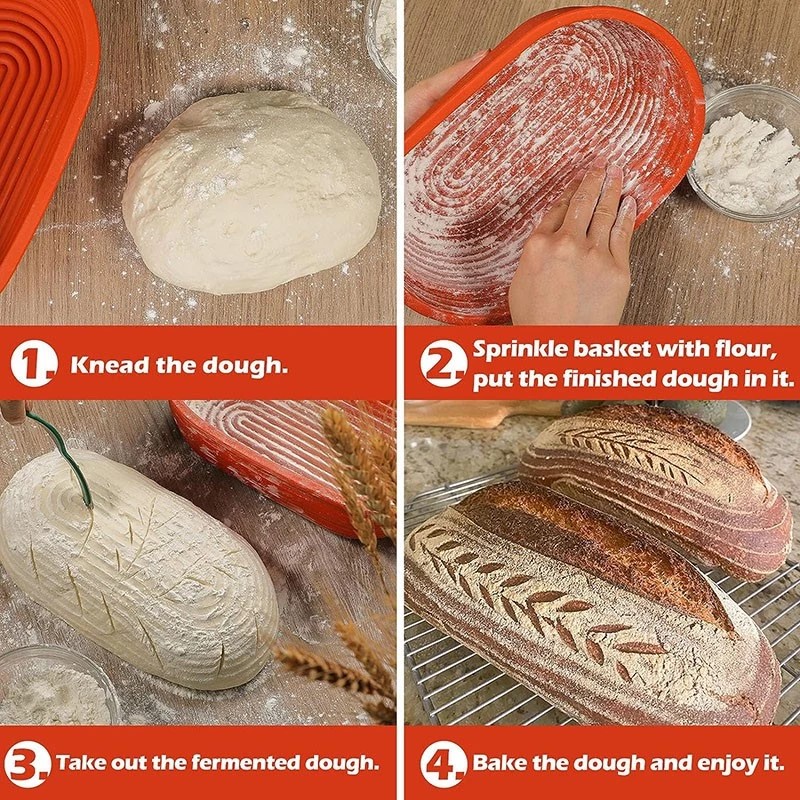

Welcome to the art of artisanal baking! Using a banneton can seem intimidating to a beginner, but it’s a key step to mastering shaping and proofing your loaves. This article will guide you through the essential techniques for getting started with a banneton, giving you the foundation you need to create homemade breads with impeccable texture and taste. Ready to turn your dough into masterpieces? Follow the leader.
Choosing the right banneton for your bread
Understanding the Importance of Banneton
In bakery, choosing an appropriate banneton is crucial to the success of a homemade bread quality. The banneton, also called a bread form or brotform, serves as a mold in which the dough rises before baking. It helps maintain the shape of the bread, absorbs excess moisture and imprints a beautiful pattern on the crust of the bread. This container will directly influence the texture and appearance of the finished product, making it an essential part of the bread making process home made And traditional.
Banneton Materials: Advantages and Disadvantages
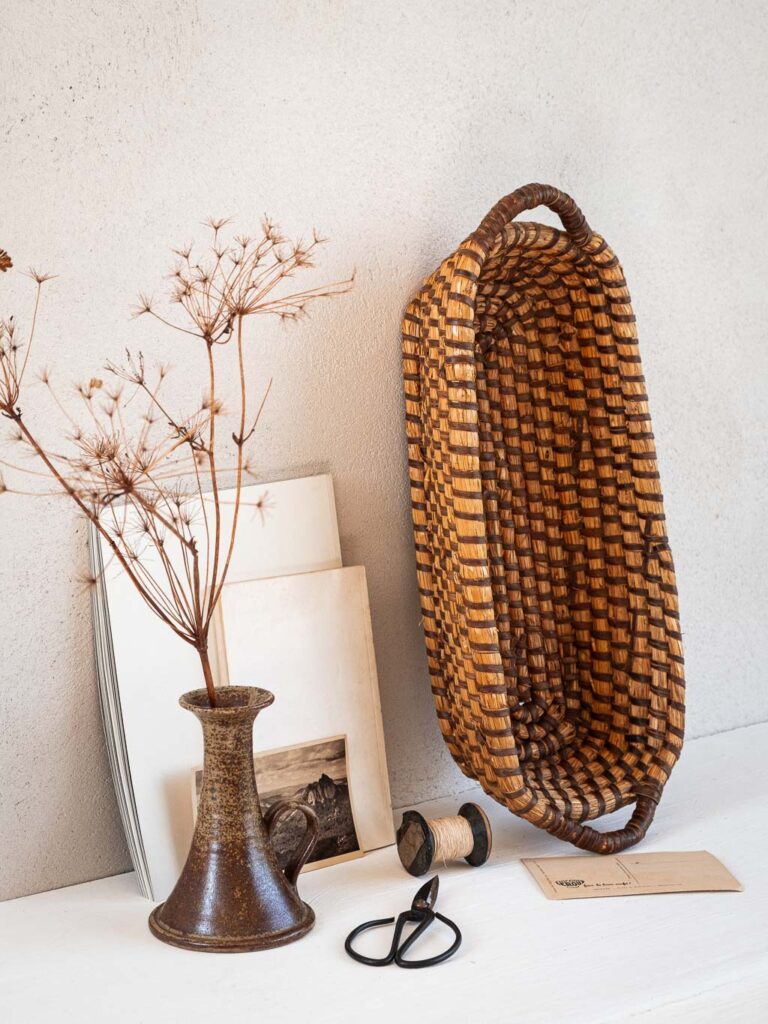
Wicker: Highly valued for its durability and ability to absorb moisture, wicker is the traditional choice for bannetons. The woven pattern of the wicker gives a beautiful imprint to the bread, adding to its rustic charm.
Plastic: Plastic bannetons are a modern option that allows for easier cleaning. However, they don’t offer the same moisture absorption as wicker, which can lead to a less crispy crust.
Laundry: Some bannetons are sold with a covering cloth, which can help prevent the dough from sticking to the banneton while retaining necessary moisture.
Choosing the Right Size and Shape

The choice of size and shape of the banneton must correspond to the type of bread that you want to achieve. For a long and narrow loaf, an elongated banneton will be most suitable. For a rounder and taller loaf, a circular banneton will be the ideal choice. The amount of dough you plan to proof will also determine the size of the banneton to use: a model that is too small will constrain the dough, while a model that is too large will not provide the necessary support during rising.
Maintenance of Bannetons for Increased Longevity
In order to keep your bannetons in good condition and extend their lifespan, it is essential to clean them carefully and maintain them regularly. After each use, remove excess flour using a brush. Avoid the use of water, as natural materials like wicker can deteriorate with humidity. For plastic bannetons, washing with lukewarm water and mild soap after use is usually sufficient.
Bannetons FAQ
1. What is the best material for a banneton?
The choice of material depends on your specific needs. Wicker is ideal for those looking for a traditional finish and good moisture absorption. Plastic may be preferred for its ease of cleaning.
2. How to prevent the dough from sticking to the banneton?
Make sure to flour the banneton well before each use. Using a cloth can also help reduce the risk of sticking.
3. Can you use a banneton for all kinds of bread?
Yes, bannetons are adaptable to a variety of bread types. However, it is important to choose the appropriate shape and size for each style of bread you want to create.
Articles sur le même Sujet

Preparation and maintenance of banneton
The Fundamentals of Banneton in Bakery
THE banneton, also known as brotform in German, is a must-have accessory for any professional of the bakery wishing to master the making of homemade bread. Traditionally used to support dough during its final fermentation, banneton helps maintain the shape and structure of bread before baking.
Choosing the Right Material for Your Banneton
Bannetons are mainly made of two materials: wicker and plastic. Each has specific benefits tailored to the different needs of bakers. Wicker bannetons, popular for their ability to absorb moisture, allow you to obtain a well-defined and crispy crust. On the other hand, plastic bannetons are popular for their durability and ease of cleaning.
Prepare Your Banneton Before Use
Before using it for the first time, it is crucial to prepare your banneton to optimize its performance. It is recommended to sprinkle the surface of the banneton generously with flour to prevent the dough from sticking to it. For materials like wicker, good preparation also involves lightly dampening the basket to increase its flexibility and prevent dough from sticking to it.
Maintaining Your Banneton in Good Condition
Regular maintenance of your banneton is essential to extend its lifespan. After each use, it is advisable to remove any remaining dough and let the banneton air dry. Avoid frequent washing with water, especially for wicker bannetons, as this could damage their structure. If necessary, a soft brush can be used to remove embedded flour particles.
FAQs
How to choose the right size for your banneton?
It is important to choose a banneton slightly larger than the desired final size of your loaf. This allows the dough to develop adequately without overflowing during fermentation.
Can you use the same banneton for different types of bread?
Yes, bannetons are versatile and can be used for a variety of breads. However, it is essential to clean the banneton thoroughly between uses to prevent the transfer of flavors or odors.
Do ecological alternatives to traditional bannetons exist?
More ecological options, such as bannetons made from recycled or natural materials, are in fact available on the market. These alternatives support sustainable practices while providing excellent performance for making homemade bread.
Articles sur le même Sujet


Basic techniques for forming and depositing dough
Choice and Preparation of Banneton
The first step towards mastery of banneton lies in the appropriate choice and preparation of this essential tool in bakery. A banneton, used for forming loaves, not only helps maintain the shape of the dough but also absorbs surface moisture, which facilitates the formation of an ideal crust during baking. Traditional materials like wicker or rattan are often favored for their ability to absorb moisture while adding a subtle texture to the bread. Before each use, make sure your banneton is well floured to prevent the dough from sticking, using rice flour for its non-stick effectiveness.
Formation of the Dough in the Banneton
Dough forming expertise relies on technique and precision. After having prepared and kneaded your dough, gently place it in the banneton to final fermentation. This step is crucial for the development of the taste and texture of the homemade bread. It is essential to place the dough with the smooth side down and the key side (joint of the dough) face up. This allows the dough to expand naturally and form a smooth surface after unmolding.
Leave the dough to ferment in a warm place away from drafts. The duration of this step depends on the recipe and may vary depending on the temperature of the environment. Monitor the dough closely, as too long a fermentation time could affect the structure and taste of the bread.
Bread Unmolding Technique
Placing the dough from the banneton onto the grill pan or baking stone should not be neglected. Once the dough has risen sufficiently, carefully invert the banneton onto your work surface. If the dough sticks, gently lift the edges of the banneton. Carefully transfer the dough to baking paper or plastic wrap, making sure to maintain the shape obtained.
It is vital to maintain the shape and orientation of the dough during this process, as any rough handling could degrade the gas bubbles formed during fermentation, essential for the airy texture of the dough. bread.
FAQs
1. What type of flour should I use to flour banneton?
It is recommended to use rice flour for its ability to prevent the dough from sticking without incorporating too much gluten.
2. How long should the dough be left to ferment in the banneton?
The duration may vary, but generally, fermentation lasts between 1 to 2 hours at room temperature. Be sure to adjust this time depending on the temperature and recipe used.
3. How to clean a banneton after use?
Brush off any flour residue and dry it well before storing it. Avoid washing the banneton with water so as not to risk deforming the natural fibers.
Articles sur le même Sujet

Common mistakes to avoid with a banneton
Incorrect Choice of Banneton Size and Shape
One of the first mistakes often made by fans of bakery artisanal is the choice of banneton unsuitable in size and shape. Sizing should be based on the amount of dough you are working with. A banneton that is too large or too small can affect the final shape of the homemade bread, and consequently, its cooking and its texture.
Poor Banneton Maintenance
Improper maintenance of the banneton can lead to an accumulation of flour residue and humidity, thus promoting the development of mold. It is essential to clean and dry your banneton thoroughly after each use. Avoid the use of soap or chemical detergents which could alter the quality of the wood or material making up the banneton. A simple brushing and exposure to the sun may be enough to keep it in good condition.
Incorrect Use of Flour
Proper use of flour in the banneton process is crucial. Too much flour can result in a crust that is too thick and less pleasant on your bread, while too little can cause the dough to stick to the banneton. Using a “semolina” type flour can be ideal for smooth unmolding while respecting the desired texture of the bread.
Neglecting the Positioning and Shaping of the Dough
Positioning and shaping the dough in the banneton are key steps in obtaining a beautiful shape. homemade bread. Poorly centered or poorly shaped dough can lead to an irregularly shaped loaf, which would affect not only the aesthetics but also the even baking of the bread. It is therefore important to take the time to position your dough correctly and ensure that it is evenly distributed in the banneton.
Ignoring Appropriate Rest Time
Rushing through the fermentation and resting process of the dough can compromise the quality of the bread. Each type of dough requires a specific resting time in the banneton to allow good rising. Ignoring these delays can lead to less airy and denser bread.
FAQs
How to choose the right banneton size?
The size of the banneton should match the amount of dough you plan to proof. A general rule is that the volume of the banneton should be slightly greater than that of the prepared dough.
What type of flour is best to prevent dough from sticking in banneton?
Wheat semolina or a rice flour are often recommended for dusting banneton, as they create an effective barrier against adhesion without greatly affecting the texture of the bread’s crust.
Can you let the dough sit too long in the banneton?
Yes, too long a rest time in the banneton can lead to over-fermentation, which affects the structure and taste of the bread. It is important to follow the recommended resting times for the type of dough used.