Why is the banneton the essential tool for the baker?

In the world of artisanal baking, the banneton is more than just an accessory: it is a key piece that shapes the quality and aesthetic of our daily breads. This article explores in detail why this tool has become essential for creating breads with impeccable texture and shape. Dive with us into the technical analysis of its use and discover the secrets behind every perfectly baked loaf.
The key role of banneton in crust formation
The manufacture of bread requires not only skill and quality ingredients, but also the use of proper tools. Among these tools, the banneton plays a major role, particularly in the process of forming the crust of bread.
Banneton bread, often made of wicker or synthetic materials, is mainly used during the final fermentation of the dough, also called proofing. This container is used not only to maintain the shape of the bread but also to give it texture and a crust. traditional and crispy.
Impact on crust texture and aeration
By allowing uniform fermentation, banneton contributes to the creation of a finely chiseled crust. The dough, resting in the banneton, adopts a stable shape while maintaining an airy distribution thanks to the porosity of the material used. When baking, this arrangement facilitates efficient evaporation of moisture, a key factor in developing a crust crispy.
The characteristics of banneton, such as its moisture absorption capacity, also play a crucial role. This property prevents excess moisture on the surface of the dough, which prevents the crust from softening during baking and helps achieve texture. crispy and robust.
Optimization of fermentation techniques
Use professional banneton is also important in optimizing the techniques fermentation. The design of the banneton promotes uniform heat distribution around the dough, which is essential for harmonious development of the taste and structure of the bread.
In addition to the technical aspects, the choice of the appropriate banneton also influences the shaping traditional bread. Depending on the shape and size of the banneton, the baker can create a variety of breads with varying designs, which range from classic round loaves to more elaborate shapes.
FAQs on using banneton
1. How to prepare a banneton before using it?
To prepare a banneton, it is advisable to dust it lightly with flour to prevent the dough from sticking. Regular use also creates a protective layer that improves the performance of the banneton.
Wicker bannetons are traditionally favored for their ability to absorb moisture while synthetic bannetons, often made of plastic, are favored for their durability and ease of cleaning.
No, the banneton is only used for fermentation and shaping the dough. Before baking, the bread must be unmolded onto a baking tray or baking stone.
Articles sur le même Sujet

How banneton improves dough fermentation

Understanding the Importance of Banneton in the Fermentation Process
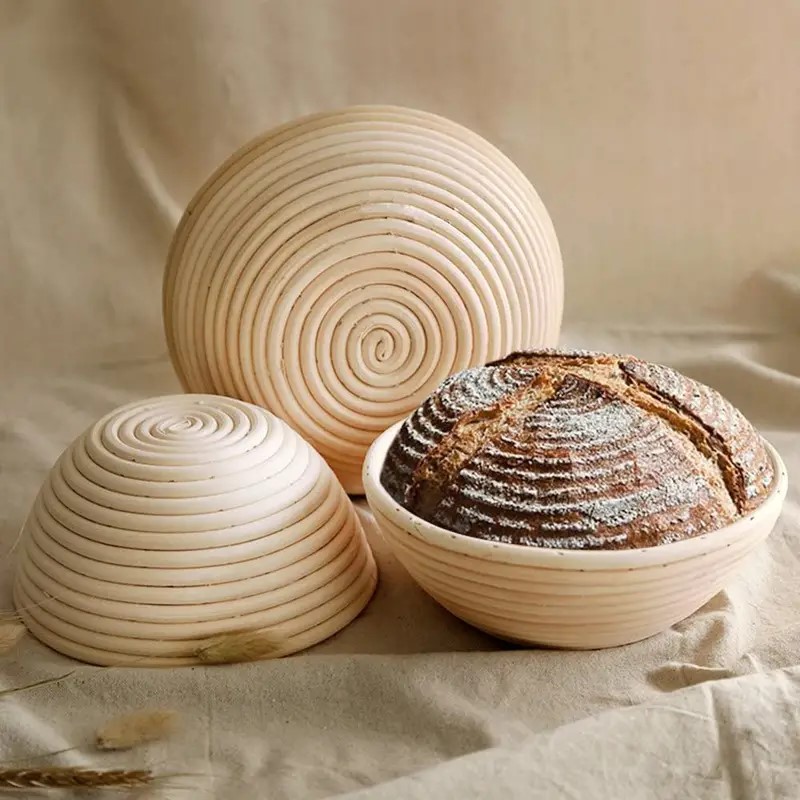
Fermentation is a crucial step in the production of traditional bread. It influences not only the volume but also the texture and flavor of the bread. It is here that the banneton comes as an essential tool for bakers. Useful for maintaining the shape of the bread during its final fermentation, the banneton also ensures good air circulation around the dough, which is essential for uniform rising.
Generally made of rattan or food plastic, bannetons come in several shapes and sizes, thus adapting to different types of bread. The choice of material has a significant impact on the fermentation process. Rattan, for example, absorbs excess moisture from the dough, helping to form a crispier crust after baking.
The Materials and Shapes of Bannetons
Selecting the right banneton is crucial to achieving the desired results. Rattan bannetons allow for better moisture absorption and make it easier to create a beautiful external texture. For bakers looking to produce loaves with specific designs, using a banneton wrapped in linen or with an internal relief can imprint these designs onto the fermented dough. This not only adds to the aesthetics of the bread but also contributes to the tradition of handmade bread.
With the right care, including proper cleaning and drying thoroughly between uses, a banneton can last for many years. Avoiding excessive humidity is crucial to preventing mold growth and ensuring long-term safe and hygienic use.
Techniques and Tips for Effectively Using a Banneton
The effective use of a banneton requires mastery of certain techniques And tips. Before placing the dough in the banneton, it is recommended to lightly flour it. This helps prevent the dough from sticking to the banneton and makes it easier to remove before baking. Depending on the type of bread and the recipe used, the application of a layer of flour may vary; some recipes call for rice flour to avoid moisture while others can work with traditional wheat flour.
For apprentice bakers, it is imperative to control the temperature and surrounding humidity during fermentation. Too low a temperature could slow fermentation, while too high a temperature could cause over-fermentation, altering the taste and structure of the bread. Optimizing this environment is essential to fully benefit from the benefits of a good banneton bread.
FAQs on Using Bannetons
1. How to maintain your banneton to guarantee its longevity?
It is important to clean your banneton regularly after each use. Remove flour residue with a soft brush and let it air dry completely to prevent mold. Avoid washing rattan bannetons with water to avoid deforming them.
2. Can we use a banneton for all types of dough?
Mostly, yes, but some bannetons are better suited to specific types of dough based on their moisture absorption and texture. For example, canvas-lined bannetons are preferred for stickier doughs.
3. Is there a significant difference between rattan and plastic bannetons?
Yes, rattan bannetons provide better moisture absorption and make it easier to form a crispy crust. Plastic bannetons, on the other hand, are easier to clean and can be a good hygienic alternative for professional environments.————-
Articles sur le même Sujet

Choosing the right banneton for each type of bread
Understanding the Importance of Banneton in Bakery
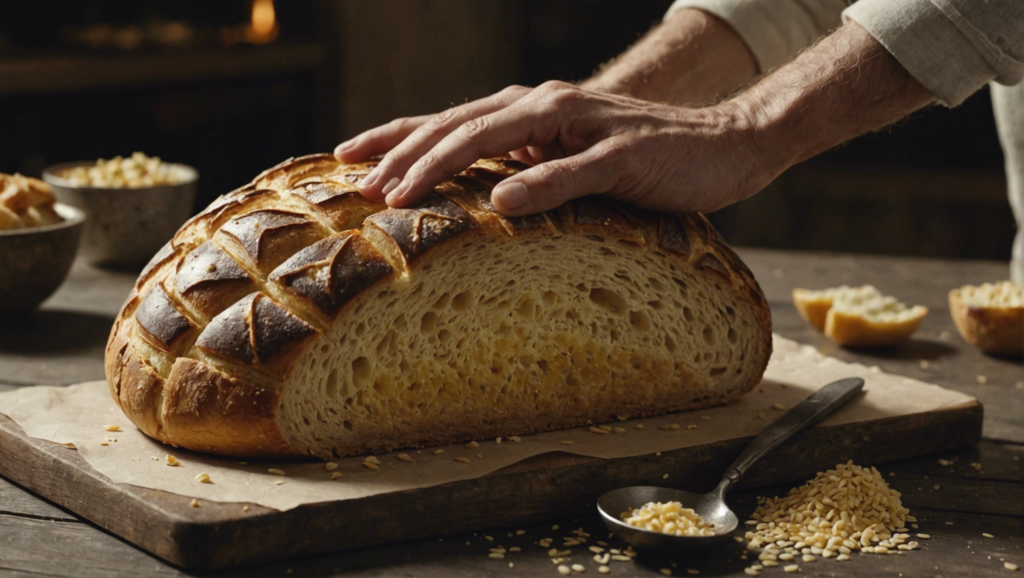
In the world of baking, the choice of banneton should never be neglected. This tool, essential for the fermentation of bread, has a direct influence on the shape, texture and quality of the bread crust. Using the right banneton for each type of bread is crucial to ensure that the final product is not only delicious but also professional and traditional. But what exactly is a banneton and why is it so important?
The Different Types of Bannetons and Their Uses
Bannetons can be made from a variety of materials such as rattan, plastic or fabric, and each has specific advantages. Rattan bannetons are most popular among professional bakers due to their ability to absorb moisture from the dough, which is crucial for forming a nice crispy crust.
Additionally, the size and shape of the banneton should be chosen based on the type of bread you want to create. Here is a list of common varieties of bannetons and their typical uses:
– Round bannetons : Ideal for traditional boule breads such as country bread.
– Oval bannetons : Perfect for longer breads such as batards or certain types of wholemeal bread.
– Bannetons with spiral pattern : They print a beautiful pattern on the crust of the bread, thus adding to the aesthetics of the crumb.
Techniques and Tips for Optimizing the Use of Bannetons
Using a banneton effectively requires some technique. Before the first use, it is important to condition the banneton by lightly moistening it and dusting it with flour. This helps create a non-stick barrier between the banneton and the dough. For subsequent uses, it is often sufficient to lightly flour the banneton before each use.
Other tips include:
– Store bannetons in a dry place to prevent mold from forming.
– Never wash bannetons with soapy water, but rather brush them to remove flour residue.
Depending on the bread recipe you use, the choice of banneton may vary. For example, breads with high hydration often require well-floured bannetons to prevent sticking.
FAQs on Using Bannetons
1. How do I choose the banneton size for my bread?
The size of the banneton should match the weight of dough you plan to use. A general rule of thumb would be to have a banneton that can hold around 1 kilogram of dough for an average loaf.
2. Can you use a banneton for all types of dough?
Yes, but it is important to choose the type of banneton related to the type of dough. For example, highly hydrated doughs work best with well-floured bannetons.
3. How do I store my banneton for maximum durability?
Make sure to flour and brush your banneton well after each use. Store it in a dry place to prevent mold from forming.
Articles sur le même Sujet
Maintenance and durability of bannetons
Banneton Materials and Construction for Longevity
The choice of materials plays a crucial role in the durability of bannetons. Generally made of natural rattan, wicker, or food-safe plastic, each material has specific advantages. Rattan bannetons provide excellent aeration, allowing the dough to breathe naturally, which is essential for proper fermentation. Plastic models, on the other hand, are appreciated for their ease of cleaning and their resistance to humidity.
In order to maximize the lifespan of these tools, it is imperative to consider the manufacturing method. Hand-woven bannetons provide better air circulation and more even heat distribution during fermentation. Opting for high quality bannetons may represent a higher initial investment but results in better performance and extended use life.
Thorough Cleaning Techniques for Bannetons
Regular cleaning of bannetons is essential to maintain their effectiveness and extend their lifespan. It is recommended to allow the banneton to dry completely after each use to prevent mold from forming. Gentle brushing can help remove flour residue and preserve the integrity of the braid. For plastic bannetons, using hot soapy water is often sufficient to ensure perfect hygiene.
On the other hand, natural fiber bannetons require more delicate care. An effective method is to use a mixture of warm water and vinegar to clean thoroughly without damaging the fibers. However, you should avoid total immersion of the banneton, favoring targeted and gentle cleaning instead. After washing, place the banneton in a well-ventilated area or in the sun for complete drying.
Storage and Prevention of Deterioration
Proper storage of bannetons is also vital for their preservation. It is advisable to store them in a dry and cool place, away from any direct source of heat or humidity. Stacking bannetons may seem convenient, but it can potentially distort the fibers and affect their shape. The ideal is to hang them or place them in a vertical position to preserve their structure.
For bannetons that are beginning to show signs of wear, such as loose fibers or altered shape, restoration techniques can be applied. Sometimes a simple re-wetting and reshaping followed by adequate drying is enough to bring an aging banneton back to life.
FAQs
Q: How long can a banneton last with proper care?
A: With proper care, a quality banneton can last for several years or even decades, depending on frequency of use and manufacturing materials.
Q: Can you machine wash a banneton?
A: No, it is not recommended to wash bannetons, especially those made of natural fibers, in a washing machine as this could damage their structure and impair their effectiveness.
Q: How do I prevent the dough from sticking to the banneton?
A: Regularly applying a thin layer of flour to the banneton before each use is essential to prevent the dough from sticking. Using rice flour can be particularly effective for its non-stick properties.