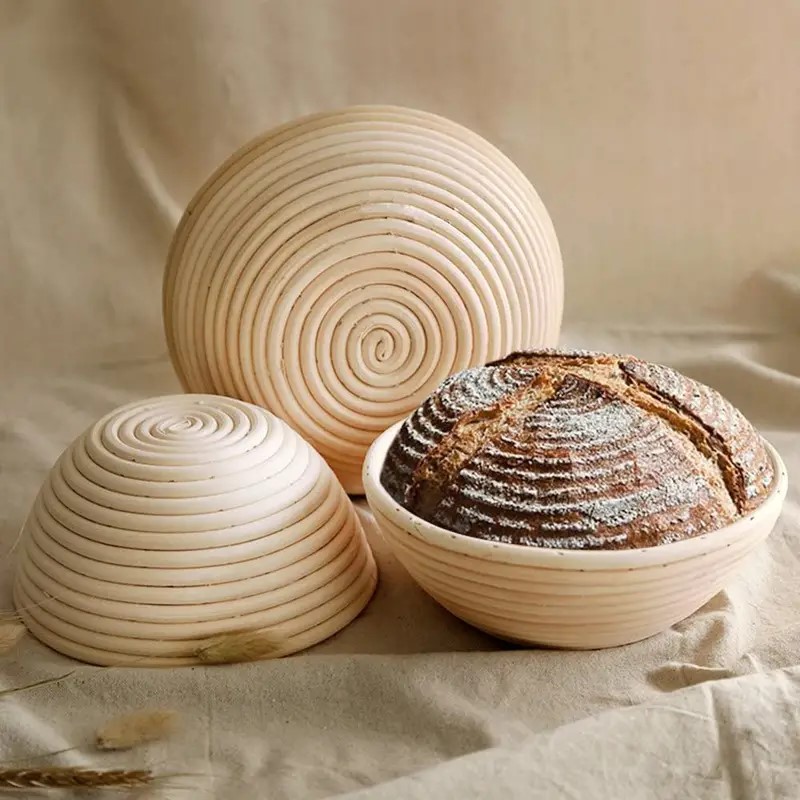
How to enhance your bread using a banneton?
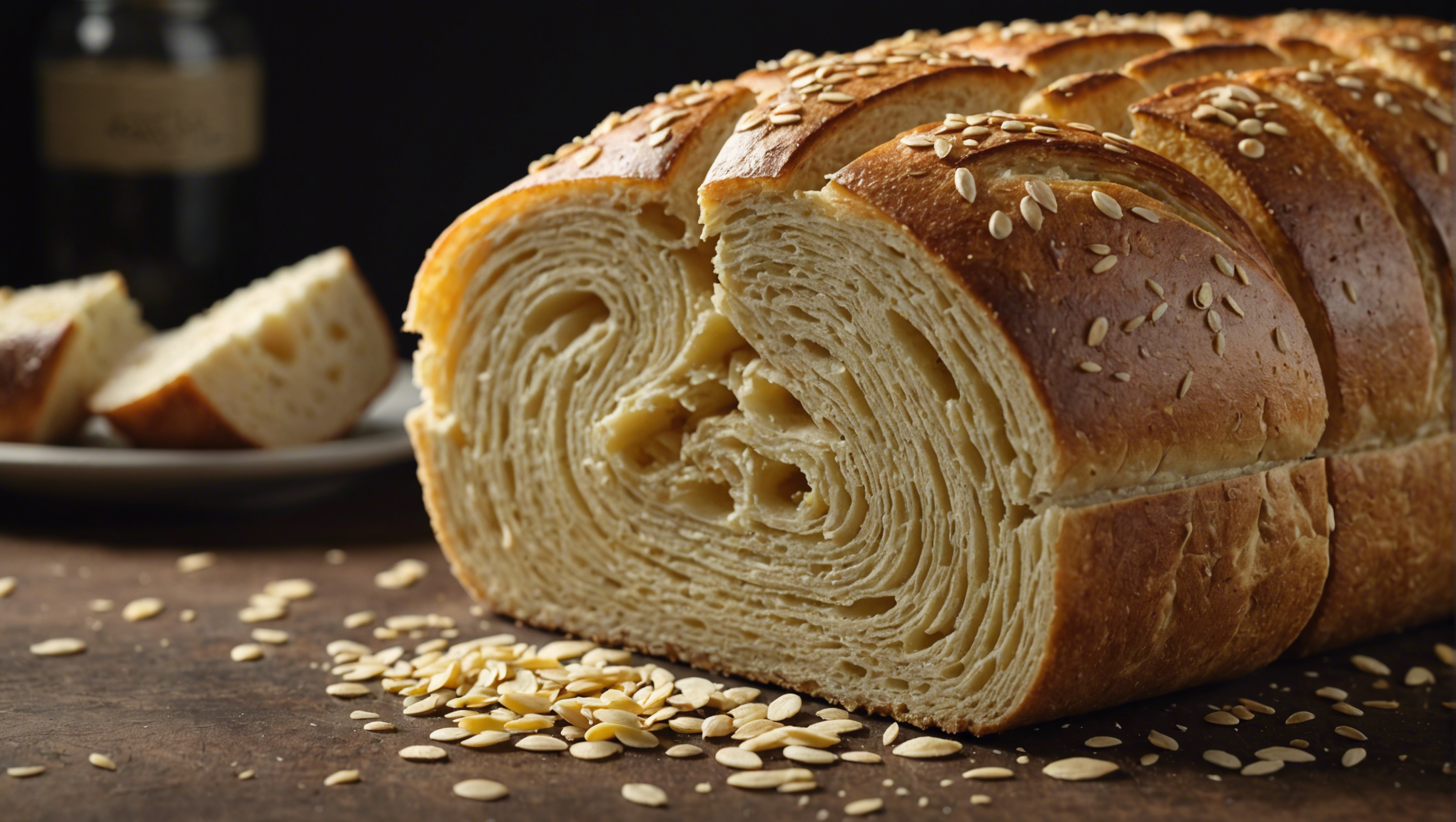

Discover how to transform your breads into true baking masterpieces using a banneton. This traditional tool, essential for shaping and providing a crisp texture to your creations, is the secret of professional bakers. Learn the techniques to use it effectively and see how it can revolutionize the quality of your homemade breads.
The criteria for choosing a suitable banneton
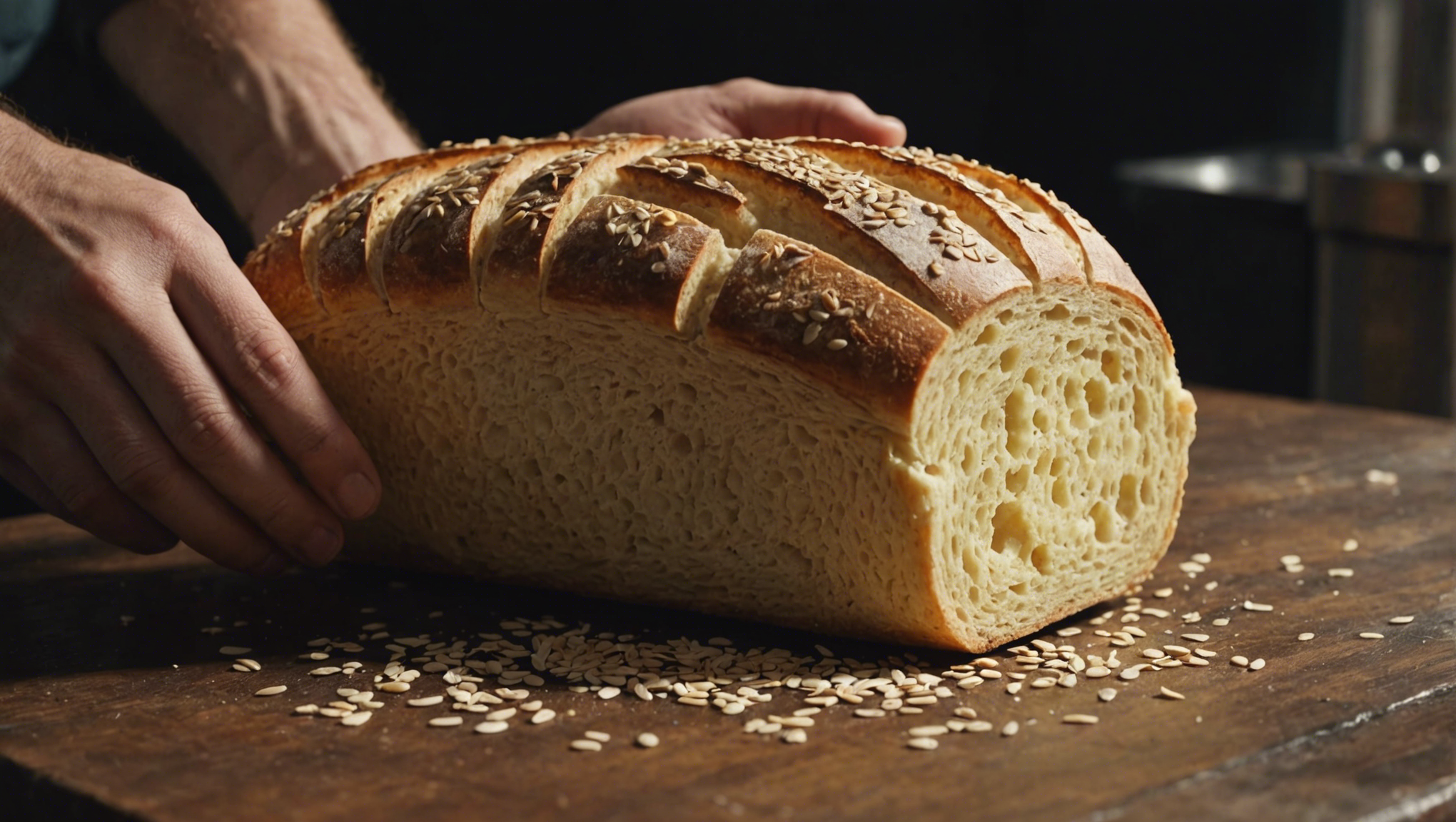
Materials Used for Banneton
The choice of materials is essential when looking for a suitable banneton. Typically, bannetons are made of wicker, rattan or plastic. Wicker and rattan are the most common for the artisanal manufacture of bread, because they allow good air circulation, essential for the fermentation of the dough. Plastic, although less traditional, offers the advantage of being easy to clean and durable.
It is also possible to find bannetons made of materials like wood or linen, which are used for their non-stick properties. However, whatever the material, it must be chemically untreated to avoid any contamination of the paste.
Adapted Shape and Size
THE bannetons are available in various shapes and sizes, which directly influences the final result of the bread. The most common shapes are round and oval, but there are also more specialized shapes such as rectangles or crowns, adapted to specific types of bread.
The size of the banneton must correspond to the quantity of dough you want to rise. A general rule of thumb is that the capacity of the banneton should be approximately 1.5 times the size of the dough before rising. This allows the dough to develop adequately without overflowing.
Practical Considerations for Use and Maintenance
Professional use requires particular attention to ease of use and maintenance. Bannetons should be easy to handle, especially in a bakery environment where efficiency is key. Options with fabric liners may be preferred as they allow for easier dough release.
As for maintenance, choosing a banneton that is easy to clean guarantees the hygiene and durability of the product. Bannetons made from natural materials like rattan may require thorough drying after each wash to prevent mildew, while those made from plastic can often simply be rinsed and dried.
FAQs
- What is the main difference between a wicker banneton and a plastic one?
Wicker or rattan bannetons promote better air circulation around the dough, which is essential for good fermentation and an ideal bread crust. Plastic bannetons, on the other hand, are easier to maintain and can be more durable. - How do you know what size banneton to choose?
You should choose a banneton whose capacity is approximately 1.5 times the size of your dough before rising. This ensures enough space for the dough to grow without it overflowing. - Is it necessary to flour banneton before each use?
Yes, flouring the banneton before placing the rising dough in it is crucial to prevent the dough from sticking, especially for bannetons made from natural materials such as rattan or wicker. Using rice flour is often recommended because it has superior non-stick properties than traditional wheat flour.
Articles sur le même Sujet
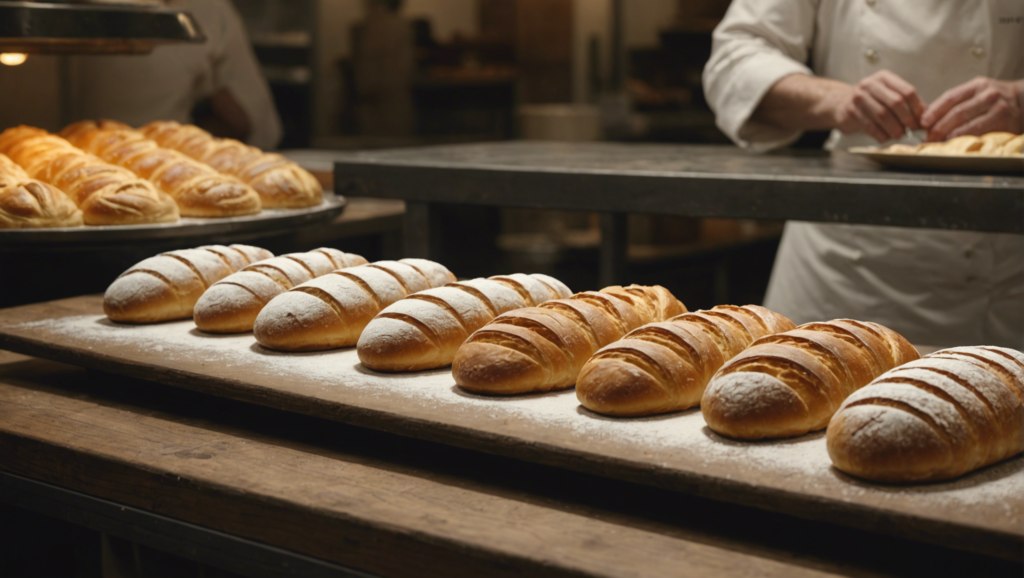

Bread preparation techniques with a banneton
Choice of banneton and initial preparation
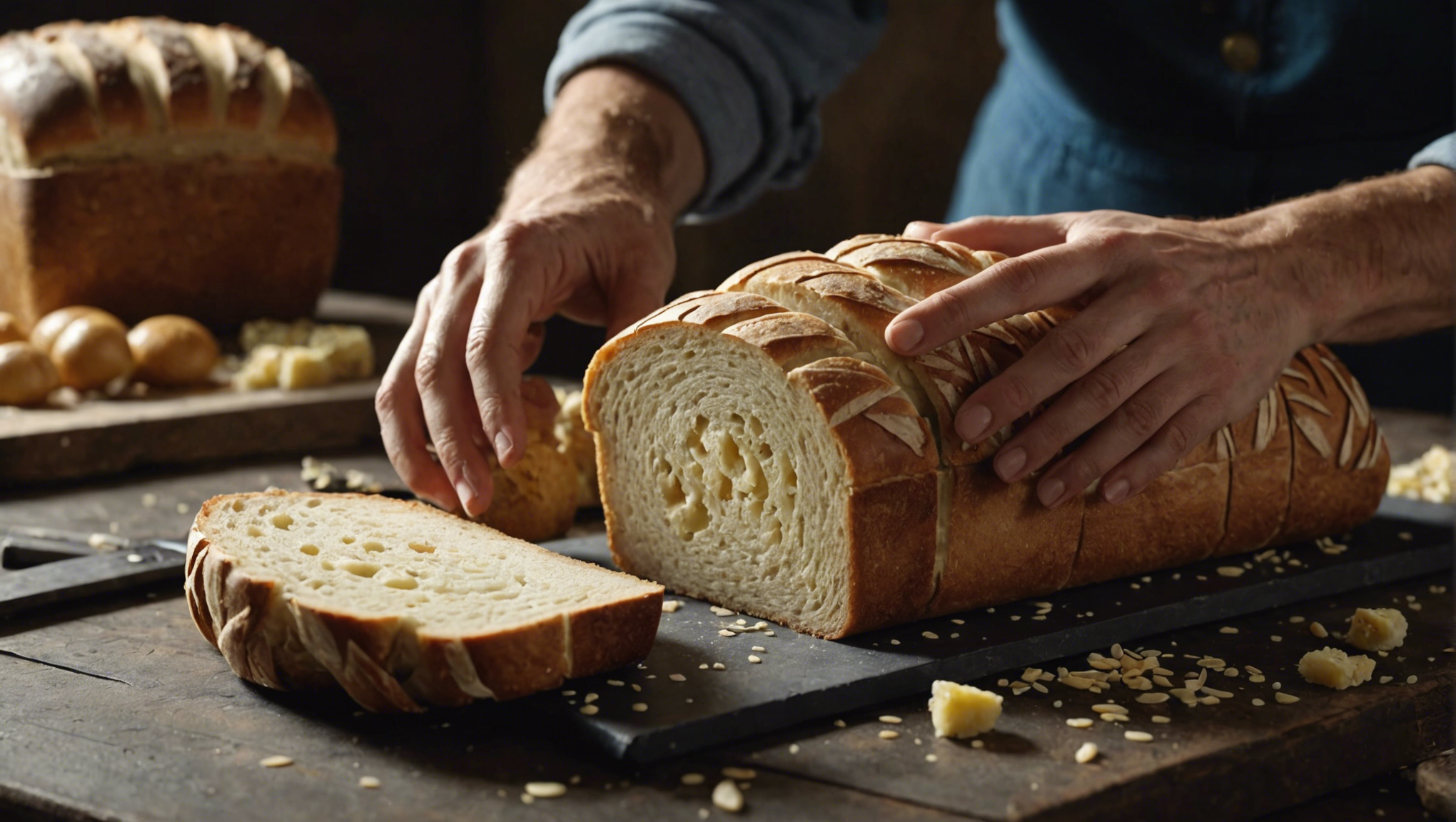
Use a banneton for the preparation of bread is a method favored by many bakers professionals to obtain a bread with a crispy crust and an airy crumb. First of all, it is essential to choose the banneton suitable, generally made of wicker or rattan, which will give the bread its shape and promote good fermentation. It is recommended to lightly flour the banneton before each use to prevent the dough from sticking to it.
Kneading and fermentation techniques
Kneading is a crucial step in bread preparation. This process develops the gluten present in the flour, giving the dough its elasticity and structure. After kneading the dough, place it in the banneton for its first fermentation. This should last at least an hour and a half, until the dough has doubled in volume. Good fermentation is essential to allow good alveolation of the crumb.
Shaping and use of banneton
After fermentation, shaping is the next step. It is important to handle the dough gently so as not to degas the CO2 bubbles formed during fermentation. Light pressure is enough to shape the dough into the desired shape. Then place the dough back in the banneton, the smooth side down and the pleated side up, thus promoting the formation of a nice crust when cooking.
Proper techniques for shaping and using the banneton are essential for successful bread traditional. Here, respecting the recommended resting times and temperatures is also crucial for the success of the final cooking.
FAQs
- How to properly maintain your banneton after use?
- What type of flour is best for using a banneton?
- Can you use a banneton for all types of bread?
Articles sur le même Sujet

Maintenance and conservation of your banneton for an optimized lifespan
The Basics of Cleaning Banneton
To maintain the quality and longevity of your banneton, proper cleaning is essential. After each use, it is recommended to remove all flour residue by gently tapping the banneton. Using a soft-bristled brush can help remove embedded dough particles without damaging the natural fibers of the banneton.
It is important to avoid washing with water, as humidity can encourage the development of mold. If deeper cleaning is necessary, wipe the surfaces with a slightly damp cloth, then allow the banneton to dry completely in a well-ventilated area out of direct sunlight.
Mold and Odor Prevention
Mold and odors can affect the quality of the bread and reduce the lifespan of your banneton. To prevent them, make sure the banneton is completely dry before storing it. A good tip is to place the banneton in the oven, at a low temperature, for a few minutes to ensure it is completely free of moisture.
From time to time, it is beneficial to place the banneton in the sun for a few hours. Natural sunlight is an excellent disinfectant and can help eliminate lingering odors while preventing mold growth.
Proper Storage of Banneton
Storage plays a crucial role in the preservation of your banneton. Opt for a dry, cool place for storage, away from temperature variations and humidity. Avoid storing the banneton in a compressed position under other kitchen utensils, as this may distort its shape and compromise its structure.
If you have several bannetons, it is advisable to stack them with parchment paper or a clean cloth interspersed to maintain air circulation and prevent the molds from directly touching each other, which could cause damage or encourage the transfer of bannetons. mold.
FAQ: Popular Questions
1. Can you wash a banneton in the washing machine?
It is strongly recommended not to wash a banneton in the washing machine. Water and abrasive detergents can damage the natural fibers of banneton and encourage the growth of mold.
2. How long can a banneton last with proper care?
With regular and proper maintenance, a banneton can last for several years. The key is to make sure it stays dry and clean between uses.
3. Is it necessary to regularly disinfect a banneton?
It is not necessary to regularly disinfect a banneton if it is kept clean and dry. Natural methods, like exposure to sunlight, are usually enough to eliminate potential odors and germs.
Articles sur le même Sujet
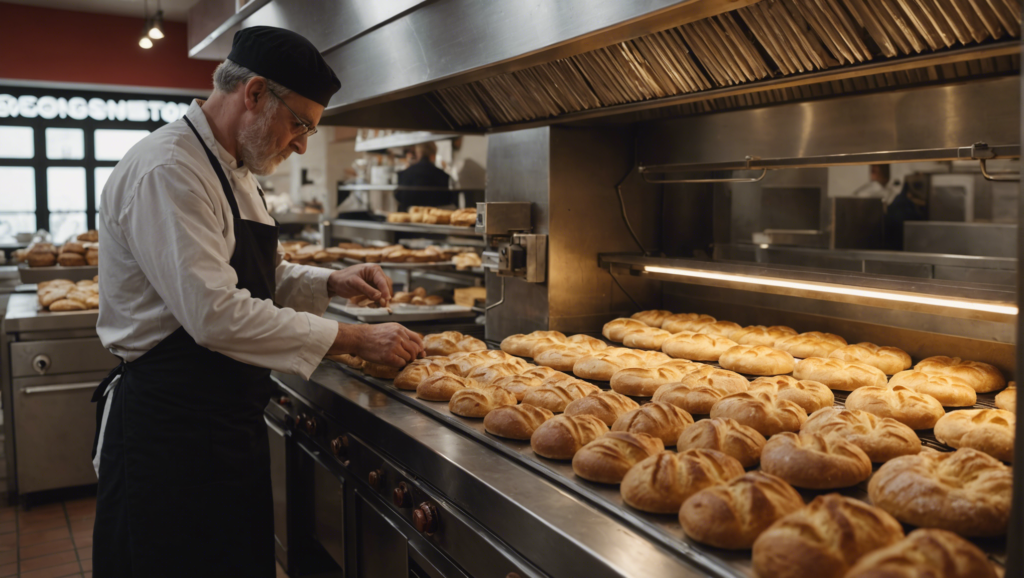
Bread varieties to try with a banneton
In the world of baking, the use of a banneton is known for improving the structure and presentation of the bread. This professional tool helps maintain the shape of bread during fermentation, allowing bakers to create a wide variety of breads with distinct textures and flavors.
Sourdough bread
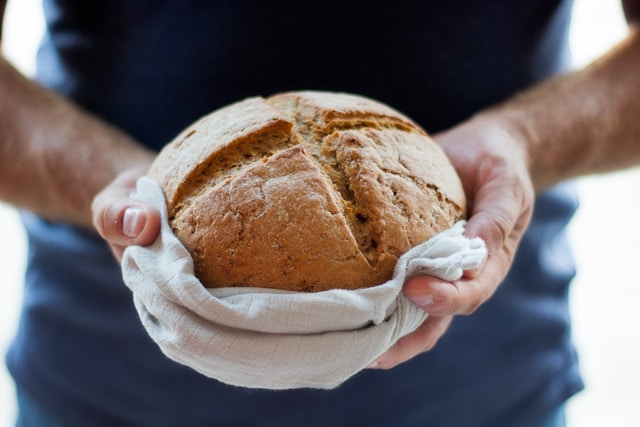
Sourdough bread is arguably the most popular for using a banneton. Thanks to natural fermentation, the dough develops complex flavors and an airy crumb. The shape of the banneton helps to contain the soft dough of the sourdough, which allows a better rise and offers a beautiful honeycomb structure after baking.
Whole wheat bread
Using a banneton for wholemeal bread helps support dough enriched with wholemeal flours, which tends to be heavier. The banneton facilitates an even rise and prevents the bread from spreading too much, ensuring a tall, rounded end result, ideal for the perfect slices of bread.
Fougasse
Fougasse, a traditional bread from the south of France, can also benefit from the use of a banneton during its preparation. Although traditionally flat and sculpted, starting its fermentation in a banneton helps develop a soft texture before the bread is flattened and shaped by hand.
Ciabatta
Known for its crispy crust and very honeycombed crumb, ciabatta is another variety that can be prepared using a banneton. Although its dough is very hydrated and sticky, letting the ciabatta rest in a floured banneton helps maintain its structure during fermentation.
Rye bread
Due to its dense consistency, rye bread can be difficult to handle. The banneton provides adequate support and prevents the dough from sagging. This helps create a well-formed rye loaf with a uniformly dense texture, typical of this type of bread.
FAQs
- What is the main advantage of using a banneton for bread fermentation?
The main advantage lies in the banneton’s ability to maintain the shape of the dough, allowing uniform fermentation and rising, essential for obtaining well-structured and aesthetically pleasing breads. - Should I flour the banneton before each use?
Yes, it is recommended to flour the banneton well before each use to prevent the dough from sticking to the surface, thus making it easier to unmold after fermentation. - Can you use a banneton for all types of bread dough?
In general, yes. However, highly hydrated doughs, like ciabatta, require special care to prevent them from spreading too much. A well-prepared banneton with enough flour can accommodate the majority of types of bread dough.