What are the advanced techniques in using banneton?

Discover advanced techniques to master the use of the banneton, an essential tool for artisanal bakery enthusiasts. This article will explore precise and proven methods to optimize the fermentation and shape of your breads, allowing you to achieve professional quality and enhance the texture and taste of your creations. Whether you’re new to baking or experienced, these tips will help you perfect your baking skills.
Choice and preparation of the suitable banneton
Evaluation of different types of bannetons
When selecting a banneton, the choice of material is crucial. The most common materials are rattan, wood and plastic. Each material has its own advantages in terms of flour breathing and drawing, which directly influences the texture of the crust of the bread. It is important to choose a banneton that corresponds to the type of bread you want to make, whether it is a rustic bread or a more refined bread.
Rattan is the most popular material for bannetons thanks to its ability to absorb moisture, promoting a nice crisp crust. For bakers professionals and enthusiasts, it is often preferred for its durability and aesthetics traditional.
Preparing and maintaining the banneton before first use
Before you start using your banneton, it is essential to prepare it correctly to prevent the dough from sticking. Start by dusting the banneton generously with flour. For those using a new banneton, it may be beneficial to spray it lightly with water before adding the flour, to increase the adhesion of the flour to the material.
It is also recommended to let a newly floured banneton rest overnight before using. This allows the flour to adhere well and creates a protective layer between the banneton and the bread dough. These techniques simple methods ensure the longevity of your banneton and the quality of your bread.
Tips for removing bread from banneton
Unmoulding bread from a banneton can be tricky, especially if the dough has fermented too much or is excessively moist. To prevent the bread from sticking, make sure the banneton is well floured. It helps to use rice flour because it contains less gluten and is therefore less likely to stick.
Just before unmolding, lightly tap the sides of the banneton and gently invert it onto your work surface. If the bread does not release immediately, give the bottom and sides of the banneton a few more taps.
FAQs on using bannetons
- What is the ideal size of a banneton for a beginner?
For a beginner, an 8 to 9 inch (20 to 23 cm) banneton is ideal for most standard bread recipes. - Can you use a banneton for all types of bread dough?
Yes, but it is important to choose the right type of banneton based on the consistency and moisture of the dough. Highly hydrated doughs, for example, often require a banneton with a linen cloth to prevent the dough from sticking. - How to clean a banneton after use?
After each use, remove excess flour using a brush. Allow the banneton to air dry completely before storing to prevent mold. Avoid washing it with water so as not to alter the natural properties of the material.
Articles sur le même Sujet
Control of fermentation time and temperature
Importance of Temperature in Bread Fermentation
Fermentation temperature is a crucial element that influences yeast and bacterial activity in bread dough. Optimal temperature is essential to allow for even fermentation, which directly affects the taste, texture and quality of the finished bread. It is recommended to keep the dough at a temperature of around 24-28°C to promote ideal fermentation. The use of a banneton allows you to maintain this temperature range, helping the dough to develop the desired flavors and structures.
Too low a temperature can slow down the fermentation process, making the dough dense and heavy. Conversely, too high a temperature can cause excessive fermentation, producing bread with an overly sour taste and compromised texture.
Fermentation Time Control
Controlling fermentation time is also essential for the production of high quality bread. An adequate fermentation period allows the dough to fully develop its characteristics, both in terms of taste and structure. Fermentation time can vary depending on several factors, including ambient temperature, quality of yeast and ingredients used.
Use of a banneton not only helps regulate the temperature but also maintains the consistency of the dough, thanks to its ability to absorb humidity. This is particularly useful for long fermentations, where continuous control of time and dough condition is necessary to achieve a successful result. professional And traditional.
Tips for Optimizing Fermentation
To optimize fermentation in a banneton, it is recommended to:
- Check and adjust the ambient temperature regularly to avoid extremes that could harm fermentation.
- Ensure the quality of ingredients: using good quality flours and fresh yeast can significantly improve results.
- Use techniques covering and insulating the banneton to keep the temperature constant throughout the fermentation.
Banneton Fermentation FAQ
1. What is the ideal fermentation time in a banneton?
The ideal time can vary depending on the type of bread and ambient conditions, but is generally between 12 to 16 hours for complete fermentation.
2. How do you know if fermentation is sufficient?
Properly fermented bread should have doubled in volume, have a smooth surface and a springy texture to the touch. A slight indentation should remain when the dough is gently pressed with your finger.
3. Can I use a banneton for all types of bread?
Yes, banneton can be used to ferment a wide variety of breads. However, it is more commonly used for hard-crusted, naturally fermented breads like sourdough bread.
Articles sur le même Sujet
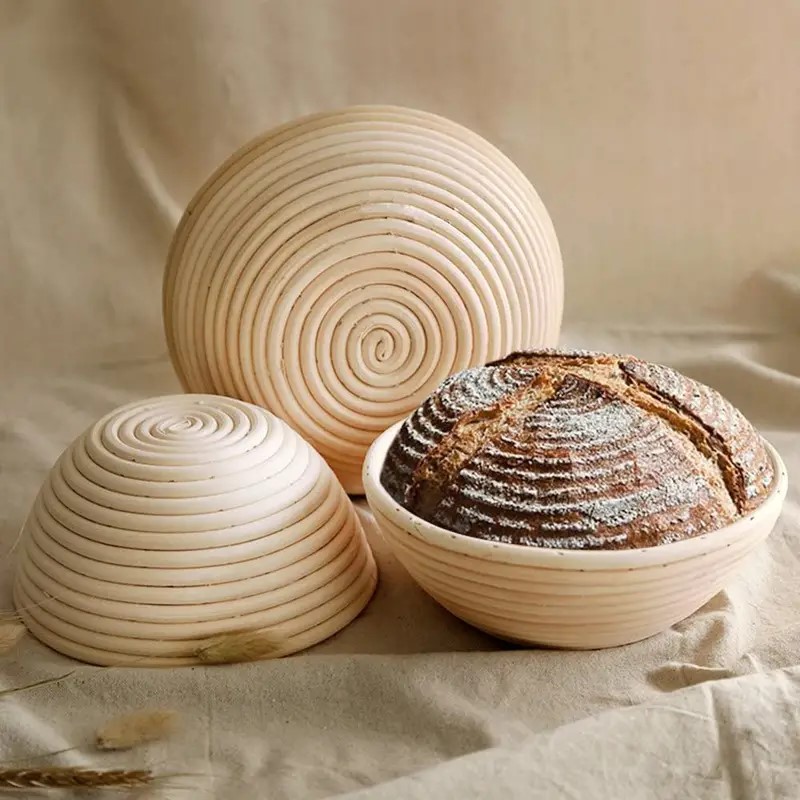

Bread shaping and cutting techniques
The Fundamentals of Bread Making
Shaping bread is a crucial step to obtain an excellent final result, which imperatively begins with the use of a banneton bread. The banneton, often made of wicker or rattan, serves as a mold in which the dough can rest and maintain its shape during the final fermentation. This tool is essential in the bakery professional And traditional, helping to support the dough while absorbing excess moisture, thus promoting a perfectly formed crust and an airy crumb.
Begin shaping gently by rolling out the dough onto a lightly floured surface. Then, fold the edges towards the center, taking care not to completely degas the dough, because this gas is precisely what will help it expand during cooking. An essential technique is to aerate the dough without disturbing the gas bubbles formed during the first fermentation.
Bread Cutting Techniques
Once the dough is shaped and rested, the next step is to make controlled cuts on the top of the loaf. These incisions, or grignes, direct the expansion of the bread during baking and influence the quality of the crust and crumb. Use a sharp blade, often called a baker’s blade, and use a quick, confident movement so as not to crush the dough.
The pattern of incisions may vary depending on the type of bread and personal preference. However, it is important to consider that each stroke of the blade creates an area that the heat will reach more directly, thus promoting a nice opening during cooking.
Humidity and Temperature Management
Humidity control is also a determining factor in shaping and cutting bread. The environment should be humid enough to prevent the dough from drying out, but not so humid that it weighs down the crust. The flour-coated banneton helps regulate this moisture level around the dough, ideally preparing the surface for incisions.
Temperature also plays a crucial role. Dough that is too cold may not respond effectively to the incision, while dough that is too hot may relax too quickly and lose its shape. A balance is therefore essential to ensure optimal fermentation and expansion of the bread.
FAQs
What is the importance of banneton in bread shaping?
The banneton helps maintain the shape of the bread during final fermentation, while absorbing excess moisture, which is crucial for a crisp crust and airy crumb.
How to choose the right type of banneton?
The choice of banneton depends on the desired shape for your bread, the most common being round or oval. The material, generally wicker or special food grade plastic, will also influence the moisture management of the dough.
What are the most common incision patterns?
Patterns vary widely, but the most popular include simple straight line, cob or cross incisions, which not only provide a beautiful presentation, but also maximize the expansion of the bread during baking.
Articles sur le même Sujet

Tips for maintaining and storing banneton
Importance of Banneton Maintenance
A banneton is an essential tool for any baker professional or amateur passionate about creating quality breads traditional. Its main role is to hold the dough during fermentation, thus allowing the bread to maintain a structured shape and obtain a crispy crust and an airy crumb. However, to ensure the best results and extend the life of this tool, proper maintenance is necessary.
Cleaning After Use
Cleaning the banneton is a crucial step that should be done immediately after each use. Once the dough has been removed from the banneton, it is recommended to allow the banneton to air dry so that any remaining dough can dry completely. These residues can then be easily removed using a specific banneton brush or a soft brush. It is important to avoid the use of water, as moisture can penetrate the wood and encourage mold to form.
Precautions Against Mold
One of banneton’s enemies is mold, which can grow in the presence of humidity. To avoid this problem, it is crucial to store banneton in a dry, well-ventilated area. It is also advisable not to cover the banneton with plastic materials or other non-breathable coverings which could trap moisture inside. Occasionally exposing the banneton to sunlight can help prevent mold growth and deodorize the tool.
Periodic Maintenance for Conservation
For those who use their banneton frequently, periodic maintenance is recommended to ensure its longevity. It may be helpful to dust the banneton with rice flour before each use to create a barrier between the dough and the wood, thus minimizing the risk of adhesion and bacteria development. Light brushing after each use also helps remove leftover flour and small pieces of dough.
FAQs
No, it is not recommended to wash a banneton with water because moisture can be absorbed by the wood, which encourages the formation of mold. A dry brush is usually sufficient to remove dry residue.
The banneton must be stored in a dry and well-ventilated place, protected from temperature variations and humidity. Avoid covering the banneton with materials that do not allow good ventilation.
Make sure the banneton is completely dry before storing and expose it to sunlight occasionally to prevent mold. Using rice flour as a barrier before each use is also a good idea. trick to preserve the quality of the banneton.