How does banneton modernize ancestral techniques?


Discover how the banneton, a traditional baking tool, is reinventing itself to enrich and modernize centuries-old bread-making practices. This article explores the technical evolution of banneton and its crucial role in producing artisan breads of unrivaled quality and texture.
The evolution of materials used in bannetons
The Origins of Banneton in Bakery
The use of bannetons for the manufacture of bread dates back several centuries. Originally, bannetons were mainly made from natural materials like wicker. These woven containers were popular for their ability to allow air to pass through, making it easier to ferment the dough. They also helped give an attractive shape and pattern to the bread.
Transition to Modern Materials
Over time, the materials used to make bannetons have evolved. From turned wood to plastic, artisan bakers have experimented with various materials to optimize the quality of their breads. Plastic, popular for its ease of cleaning and durability, has become a popular alternative to traditional wicker. Additionally, the use of silicone molds has ushered in a new era of flexibility, allowing bakers to unmold bread more easily while maintaining excellent aeration.
Ecological and Sustainable Innovations
Faced with a growing demand for more ecological solutions, new sustainable materials have appeared in the manufacture of bannetons. Bamboo, for example, offers a remarkable eco-friendly alternative to wicker and plastic thanks to its rapid growth and ability to decompose naturally. Other innovative materials, such as natural fiber-based composites, have also been developed to reduce ecological impact while improving dough fermentation performance.
The bakers professionals who are looking for techniques and tips to improve the quality of their artisanal bread use these new bannetons to optimize both the texture and taste of their creations.
FAQs
What is the main advantage of using a wicker banneton?
Wicker promotes excellent aeration during fermentation, which helps give a crispy crust and a well-aerated crumb to the bread.
Are plastic bannetons safe for your health?
Yes, plastic bannetons used in baking are generally made from food grade plastics which are safe and mold resistant.
Is there a significant difference between bread fermented in a traditional banneton and a modern one?
Although modern materials offer advantages like ease of cleaning, many bakers find that traditional wicker bannetons give bread a slightly superior texture and flavor.
Articles sur le même Sujet

The impact of technology on bread fermentation
Technological Advances and Traditional Fermentation
The integration of modern technology into traditional bread-making methods represents a significant development in the field of baking. The banneton, a century-old tool used for fermenting bread, now benefits from new technological approaches that improve the quality and consistency of the final product. Advances in materials, temperature control techniques and monitoring devices directly influence the way dough ferments in bannetons.
Innovative materials such as natural fiber composites improve air circulation and moisture absorption, key factors in the fermentation process. These technologies allow better regulation of the relative humidity around the dough, which is crucial for the development of an ideal crust and a perfectly aerated crumb.
Temperature Control Technology for Fermentation
The use of precise temperature control systems has become common practice in the production of high quality bread. These systems make it possible to maintain optimal temperature conditions throughout the fermentation process in the banneton. A constant and suitable temperature accelerates the growth of yeasts and lactic acid bacteria, essential elements in the natural fermentation of bread.
Optimization of the Fermentation Process using Smart Sensors
Smart sensors represent another technological breakthrough influencing the fermentation process in bannetons. These devices can measure parameters such as acidity, fermentation rate and even dough tension. The analysis of this data makes it possible to adjust the fermentation conditions in real time to ensure the consistency and quality of the breads, thus meeting the requirements of the most professional bakers.
The Impact of Innovations on Finished Results
Beyond improving the control of the fermentation process, modern technologies also increase the reproducibility and quality of the breads produced. By standardizing fermentation conditions, the technologies reduce variations due to environmental changes or differences in flour composition. This results in breads with more consistent quality and flavor, thus satisfying the expectations of consumers looking for high-quality bakery products.
What are the main technologies used to optimize fermentation in bannetons?
Mainly advanced materials for bannetons, temperature control systems and smart sensors are used to monitor the fermentation process.
How do technological advances influence bread quality?
They allow more precise control of fermentation, ensuring better consistency and quality of breads thanks to optimized and continuously monitored conditions.
Is it possible to combine traditional methods and modern technologies in bread making?
Yes, the integration of modern technologies with traditional techniques allows bakers to produce high quality breads while respecting classic craftsmanship.
Articles sur le même Sujet

Incorporation of modern designs in banneton manufacturing
Innovation and Tradition: The New Designs of Bannetons
The evolution of banneton, this essential tool for manufacturing traditional bread, now includes modern designs. These improvements are not only aimed at aesthetics but seek to optimize the functionality of the banneton, while respecting traditional methods of bread making. Let’s explore how these modern designs can influence the quality of bread and make the baker’s job easier.
Innovative Materials for Increased Performance
The materials used to manufacture bannetons have undergone a significant transformation, incorporating composites based on natural fibers and synthetic resins. These new materials offer superior durability and improved moisture resistance, crucial elements in maintaining the shape and texture of bread during fermentation. In addition, they facilitate cleaning and maintenance, thus extending the life of the banneton.
Ergonomic Design and Improved Features
Incorporating ergonomic design into new banneton models helps bakers handle dough more easily. The shapes are studied to optimize degassing and crust formation, essential to obtain a bread to professional results. For example, some bannetons now feature perforated bottoms, an innovation that improves air circulation around the dough, promoting uniform fermentation.
Aesthetic Impact of New Patterns
Contemporary designs aren’t just about enhanced functionality; they also introduce more varied patterns that give each loaf a unique character. Thanks to precise cutting technologies, bannetons can present intricate patterns that reflect both the identity of the baker and his creativity. These details are not limited to aesthetics, they also influence the texture of the crust, a key element of a good artisan bread.
FAQ: Frequently asked questions about the modern use of Bannetons
What are the advantages of new materials used in bannetons?
Modern materials provide better moisture resistance and increased ease of cleaning, extending the banneton’s durability while maintaining consistent bread quality.
How do ergonomic designs improve the fermentation process?
Ergonomic designs allow for better dough handling, efficient degassing and promote uniform fermentation, which is crucial for crumb quality.
Do decorative designs on bannetons affect bread quality?
Yes, the patterns aren’t just decorative; they play a key role in forming the texture of the crust, thereby contributing to the aesthetics and sensory quality of the finished bread.
Articles sur le même Sujet
Improving practicality and efficiency in traditional baking
Banneton: the inseparable tool of the professional baker
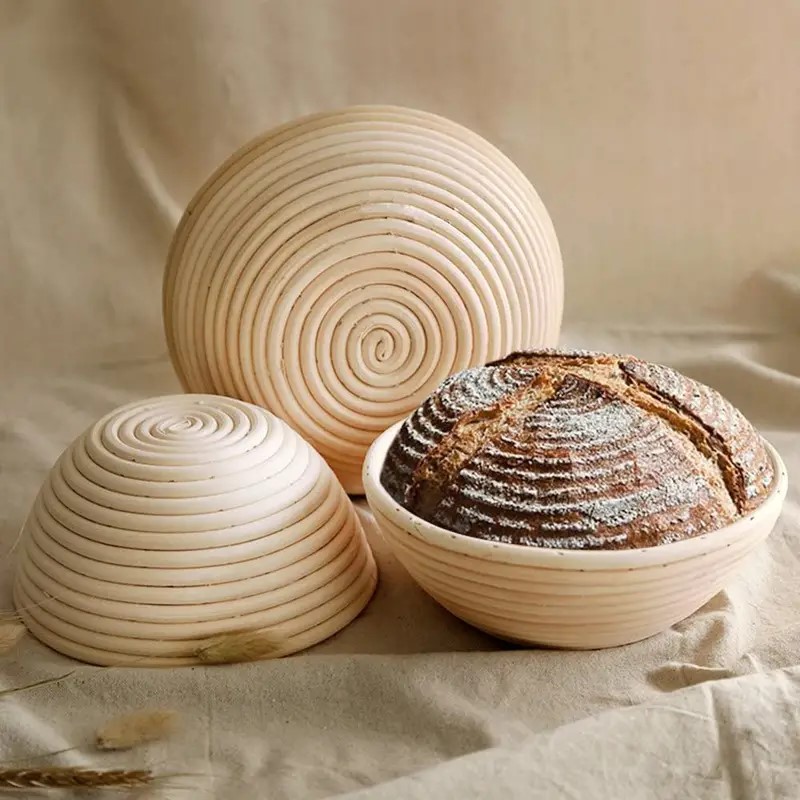
THE banneton bread, a crucial element in the baker’s arsenal, is specially designed for the fermentation of bread doughs. Used to maintain the shape of bread while promoting homogeneous aeration of the dough, it is an essential ally for the creation of breads with traditional texture and shape. The use of natural materials such as rattan or wood also allows the absorption of some of the moisture in the dough, thus providing an ideal crust and a perfectly developed crumb.
Techniques for using banneton for maximum efficiency
Correct use of banneton bread requires an understanding of some techniques keys. First of all, it is essential to flour the banneton well before each use to prevent the dough from sticking to it. Rice flour is often recommended for its effectiveness in preventing adhesion without altering the taste of the bread. Another relevant practice is the control of temperature and humidity during fermentation, a determining step for the final quality of the bread. The banneton helps maintain a consistent temperature all around the dough, which is crucial for even fermentation.
Choice of banneton adapted to each professional need
The choice of banneton may vary depending on the type of bread desired and the production specificities of each bakery. The shapes and sizes of bannetons vary, providing options for all types of bread, from the traditional baguette to boules or batards. It is also possible to personalize certain bannetons according to the bakers’ specifications, thus allowing a perfect match with very specific needs for certain recipes or fermentation methods.
Maintaining the banneton to ensure its durability
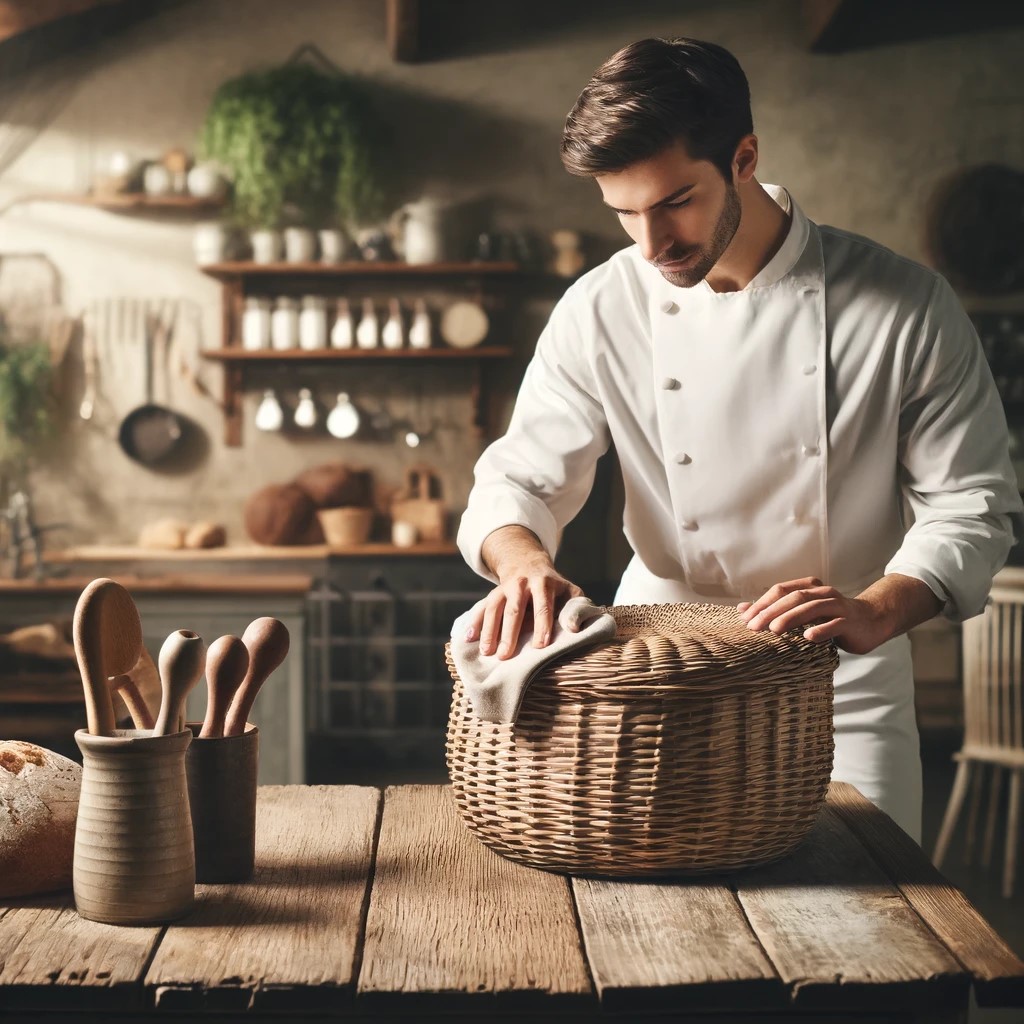
The maintenance of the banneton is also crucial to ensure its longevity and effectiveness. After each use, it is advisable to remove excess flour using a soft brush. Banneton should be stored in a dry, well-ventilated place to prevent mold from forming. More thorough periodic cleaning may be necessary, especially if the banneton begins to emit odors or if dough regularly begins to stick to it.
FAQ on using bannetons in baking
What is the main difference between a rattan banneton and a plastic banneton?
Rattan bannetons promote better aeration of the dough thanks to their porous structure, which improves the quality of the bread crust. Plastic bannetons, however, are easier to clean and may be more suitable for intense production environments.
Can you use a banneton for all types of dough?
Although banneton is versatile, it is particularly suitable for firm to semi-firm doughs. Highly hydrated doughs may require different treatment to prevent them from sticking too much to the sides of the banneton.
How do I know if my banneton is still in good usable condition?
Inspect your banneton regularly for signs of wear, such as broken rattan fragments or excessive dough residue buildup that could indicate a need for replacement or thorough cleaning.