What are the secrets to discover of banneton?


In this article, we delve into the heart of the art of baking to explore the secrets of the banneton, this essential tool for making excellent breads. Discover how this simple accessory transforms the texture and shape of your bread, and learn to master its use for ever crispier and tastier results. Whether you’re an amateur or experienced baker, these banneton revelations will undoubtedly elevate your baking art to the next level.
Understand the origin and history of banneton
Definition and Functions of Banneton
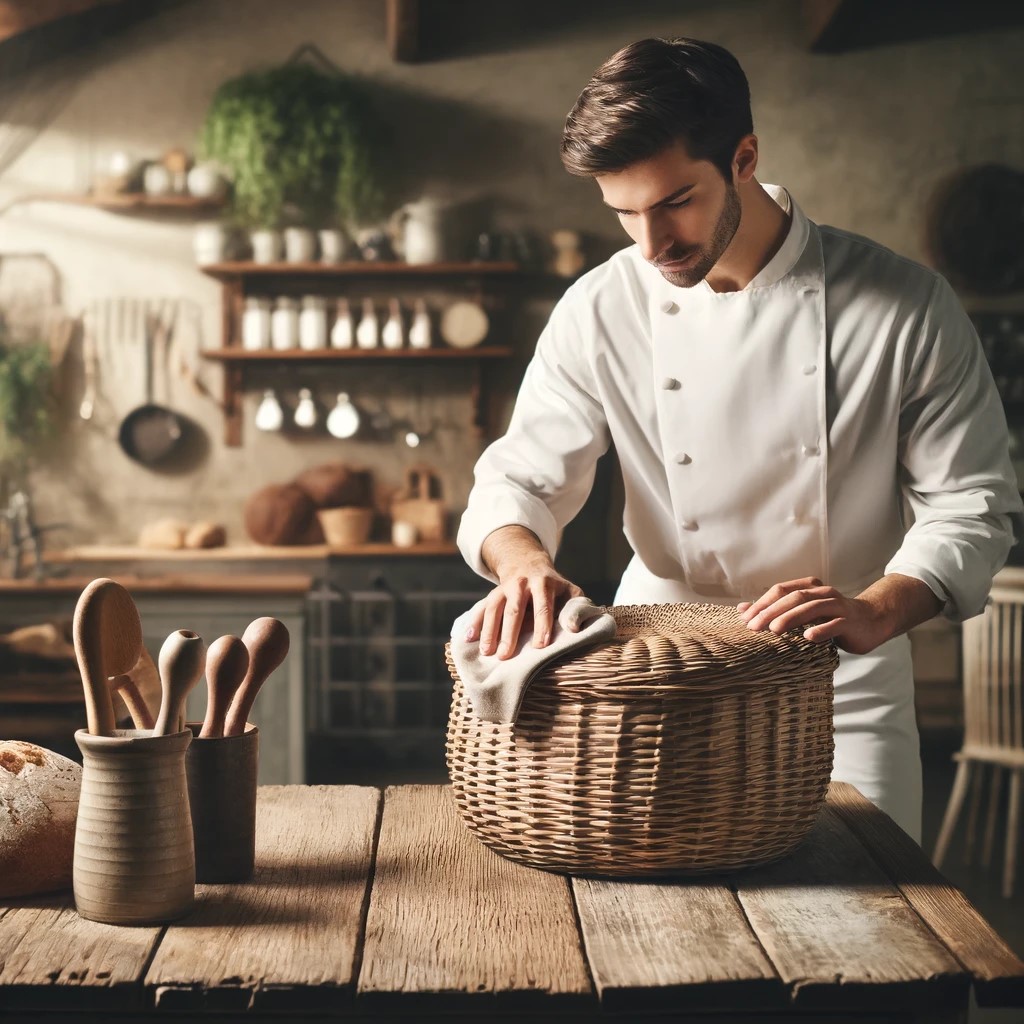
THE banneton is a basket traditionally used in bakeries for shaping and fermenting bread. This essential utensil is often made from natural materials like rattan, although modern versions made from perforated food-grade plastic also exist. The banneton helps maintain the shape of the dough during fermentation, allowing the dough to maintain optimal temperature and humidity. The spiral or striped texture of its interior also imprints a distinct aesthetic signature on the crust of the bread.
Historical Roots of Banneton
The history of banneton dates back centuries in Europe, where early bakers used natural wicker baskets for fermenting bread. Its use made it possible not only to transport and store the dough, but also to shape it efficiently for even baking. This artisanal method has been refined over time, incorporating techniques and materials that improve the respiration of the dough and influence the final texture of the bread.
Importance in Modern Bakery
Despite the evolution of baking technology, the use of banneton remains a preferred practice among artisan bakers looking for quality results. This choice is dictated by the way in which this traditional tool contributes to the production of breads with a pronounced character and a well-structured crumb. In an era where value is placed on authenticity and know-how professional, the banneton represents a link with the methods of the past while remaining relevant and effective.
FAQs on Using Banneton
How to prepare a new banneton before first use?
Before using a banneton for the first time, it is advisable to flour it generously to prevent the dough from sticking to it. Some bakers even recommend heating it slightly in the oven to remove any residual moisture and help the flour stick.
Which are the best techniques to maintain my banneton?
After each use, it is crucial to remove the paste residue and let it air dry. Gentle brushing may be necessary to dislodge embedded particles. Avoid using water for cleaning as humidity can damage the natural fibers of the banneton.
How long does a banneton last and how can you maximize it?
A banneton can last for several years if properly maintained. To maximize its lifespan, store it in a dry, ventilated area, and avoid prolonged exposure to heat or humidity. Re-applying a thin layer of flour from time to time can also help preserve its integrity.
Articles sur le même Sujet

Choosing the right type of banneton for your dough
Identifying the Different Types of Bannetons
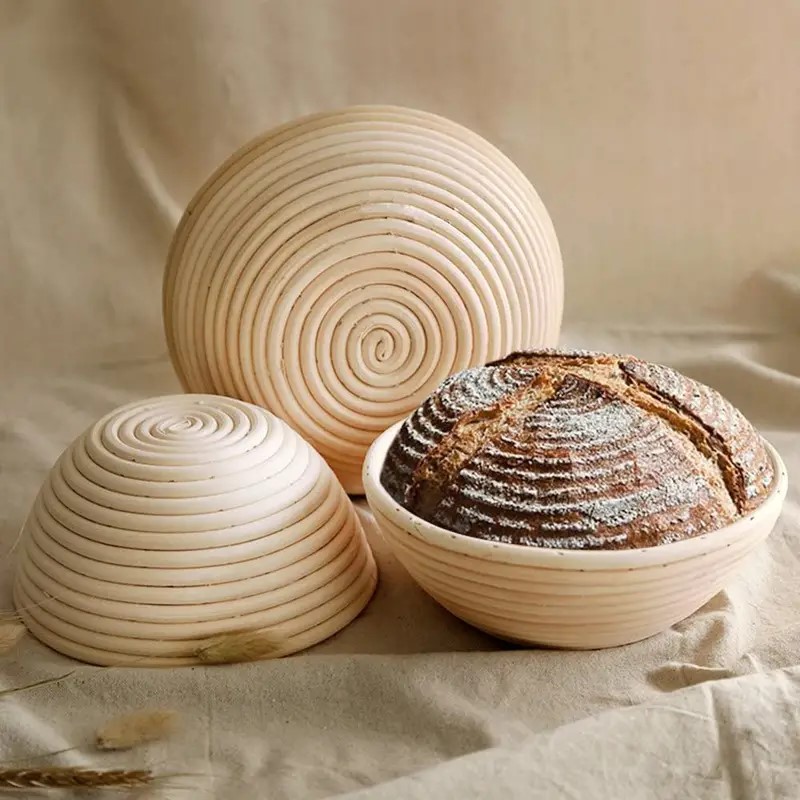
One of the first aspects to consider when choosing a banneton is his type. There are mainly two types of bannetons: wicker and plastic. Wicker bannetons are valued for their ability to absorb moisture, allowing the surface of the bread to remain dry during fermentation. This promotes the formation of a thin, crispy crust after cooking. On the other hand, plastic bannetons, often less expensive, are easy to clean and durable, but do not offer the same moisture absorption properties as wicker.
Choosing the Size and Shape of the Banneton
The size and shape of the banneton must match the type of bread that you want to achieve. Round bannetons are ideal for ball-style loaves, while oval bannetons are perfect for elongated loaves like bastards. The size of the banneton also depends on the amount of dough you knead. It is crucial to choose a banneton with enough space for the dough to expand during fermentation without overflowing.
Coatings and Preparation of Banneton
Bannetons can be prepared with linen or cotton coverings. These coatings help prevent dough sticking and make it easier to remove from the mold before baking. Before each use, it is important to dust the coating with a thin layer of flour to create a barrier between the dough and the fabric. This not only helps prevent the dough from sticking, but also helps give the crust of your bread a texture and pattern defined by the weave of the fabric.
Maintenance and Durability
Durability and maintenance are essential factors to consider. Wicker bannetons require special care to preserve their structural integrity and prevent mold from forming. They should be dry cleaned and stored in a dry environment to ensure longevity. Plastic bannetons, while more resistant to wet conditions, must also be kept clean and dry between uses to ensure optimal performance.
FAQs
1. How to clean a banneton after use?
Clean the banneton using a brush to remove flour residue and let it air dry. Avoid using water, as moisture can damage natural materials like wicker.
2. What type of flour to use to prepare banneton?
It is recommended to use rice flour or a low gluten flour to dust the banneton. These flours tend to do a better job of preventing dough from sticking to fabric or wicker.
3. Can you use a banneton for all bread recipes?
Yes, bannetons can be used for a variety of recipes, but it is important to choose the right size and shape to match the type of bread that you prepare.
Articles sur le même Sujet


Banneton preparation and maintenance techniques
The banneton, an essential accessory for everything professional baker or passionate amateur, plays a crucial role in the manufacture of traditional bread. This tool is not only a fermentation medium, but also helps in forming the desired shape and texture of the bread. However, to get the most out of it, it is essential to master certain preparation and maintenance techniques.
Preparing the banneton before use
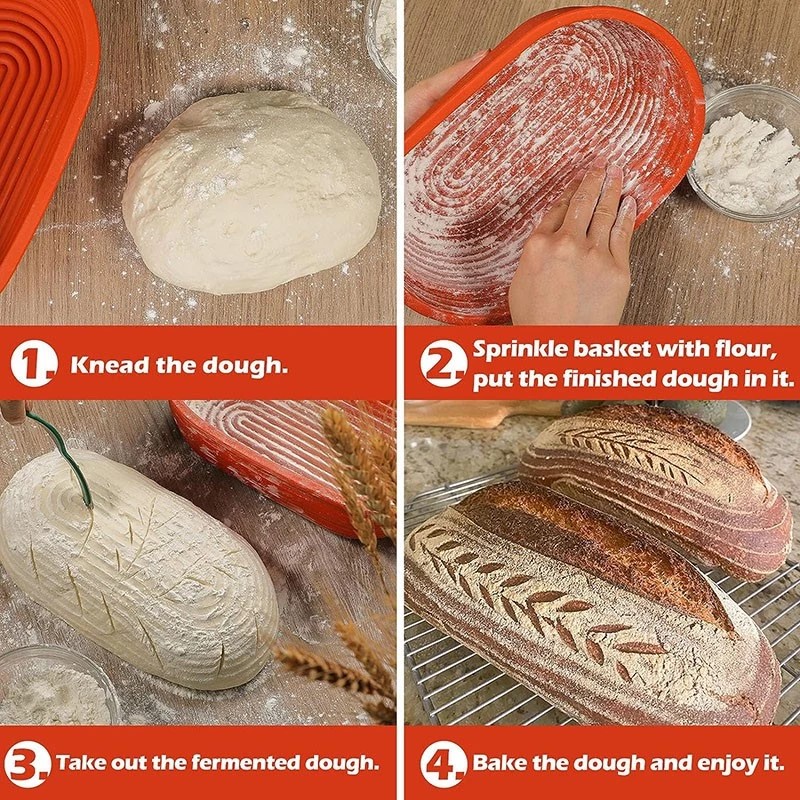
Before placing the dough in the banneton, it is necessary to prepare it adequately to prevent the dough from sticking and to facilitate optimal development of the crust. Here are the steps to follow:
- Sprinkling: Before each use, dust the banneton generously with flour. Rice flour is often recommended because of its effectiveness in preventing sticking.
- Initial packaging: For a new banneton, lightly dampen the wood using a spray bottle then sprinkle it with flour to create a protective layer that makes future uses easier.
Banneton fermentation methods
Fermentation is a key step in bread production. It influences not only the texture and taste, but also the final appearance of the bread. When using a banneton, it is important to follow a few rules:
- Positioning the dough: Place the dough with the smooth side down and the key side up, this will give you better control over the opening of the dough when baking.
- Temperature and duration: The dough should ferment at an ideal room temperature or in a controlled environment to promote proper rising.
Post-use cleaning and storage
After each use, proper maintenance is crucial to ensure the longevity and effectiveness of the banneton. Follow these tips for optimal maintenance:
- Cleaning : Remove dough and flour residue with a brush. Avoid the use of soap or water so as not to alter the nature of the wood and natural fibers.
- Drying: Make sure the banneton is completely dry before storing it. A damp banneton can become a breeding ground for mold.
- Storage : Store the banneton in a dry, ventilated place, away from heat sources and direct light.
FAQs
1. Can you use any type of flour to dust banneton?
It is best to use rice flour as it is gluten-free, reducing the risk of sticking. However, low gluten flours can also be used.
2. How long can the dough be left in the banneton?
Resting time depends on the recipe and temperature conditions. In general, the dough can stay there for 1 to several hours. It is important to monitor the dough and adjust the fermentation time according to the desired results.
3. How do you know if a banneton is still in good usable condition?
Inspect the banneton regularly for any signs of mold or deterioration. Proper maintenance will extend the lifespan, but if structural integrity or cleanliness cannot be guaranteed, it is best to replace it.
Articles sur le même Sujet
Modern innovations and alternatives to traditional bannetons
Evolution of Materials Used for Bannetons
As a baker passionate about traditional techniques, the use of bannetons represents a crucial step in the manufacturing of bread. Recently, alternative materials have begun to emerge, offering new possibilities for bakers. Traditionally made of rattan or wicker, modern bannetons are now exploring materials like food grade plastic, silicone and processed natural fibers. These innovations offer significant advantages in terms of durability, ease of cleaning and control of sanitary conditions.
Improved Design and Features
Modern banneton designers don’t just change the materials; they also revisit the design to improve the functionality of the product. For example, new models can incorporate perforated bottoms for better moisture wicking, crucial for professional of banneton bread. Some are adjustable in size to accommodate different volumes of dough, and others have non-stick surfaces to prevent the bread does not stick.
Impact on Bread Quality
With the multitude of material and design choices, it is imperative to understand the potential impact on the quality of the bread. Modern materials, like silicone, can influence the way dough breathes during fermentation. Bakers must therefore adjust their techniques And tips of preparation to maintain the artisanal quality of the bread. These include adapting fermentation times and modifying recipes to ensure that the bread retains its crispy texture and airy crumb.
Adoption by Professional Bakers
Many bakers professionals, particularly those aiming for a more efficient and hygienic production process, are beginning to integrate these new alternatives into their daily lives. The adoption of bannetons made from innovative materials often makes it possible to reduce cleaning time and improve the consistency of batches of bread. However, for those who value traditional methods, integration can be done in a more gradual way, balancing between the advantages of new technologies and the preservation of the unique characteristics of the bread traditional.
Modern Bannetons FAQ
– Can we obtain the same result with a silicone banneton as with a wicker one?
Although the material can influence certain aspects such as adhesion and moisture evacuation, with the appropriate adjustments in terms of fermentation techniques, it is entirely possible to obtain excellent results with a silicone banneton .
– Are modern bannetons more durable than traditional ones?
Yes, generally bannetons made from modern materials such as plastic or silicone are more resistant to impact and wear, making them particularly suitable for intensive use in professional environments.
– How to effectively clean a modern banneton?
Modern plastic or silicone bannetons can often be cleaned simply in the dishwasher, representing a significant advantage in terms of hygiene and convenience over traditional rattan models, which require careful manual cleaning.