


How to prepare delicious black bread with banneton?
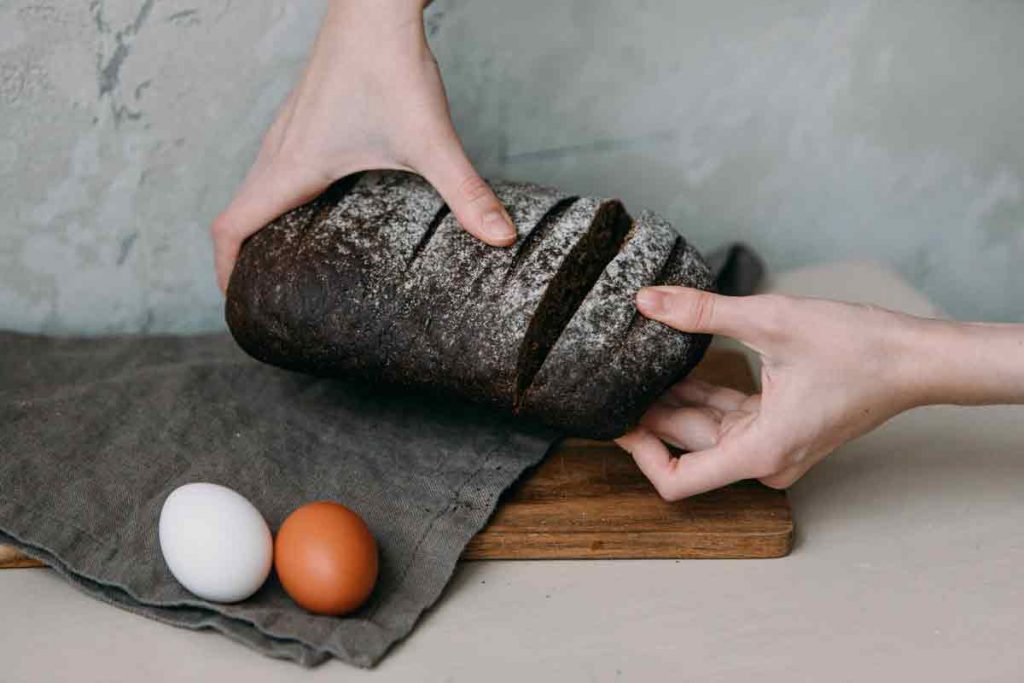

Discover in this article the traditional method for preparing tasty black bread using a banneton. We’ll guide you through every step, from ingredient selection to shaping technique, to master this art and produce crisp, aromatic bread, perfect for any occasion. Whether you are a novice or an experienced baker, follow our professional advice to make your black bread perfectly.
Choice of ingredients for tasty black bread
To develop a black bread of superior quality, careful selection of ingredients is essential. This type of bread, recognizable by its characteristic color and dense texture, requires precise assembly of flours, fermentation agents and other components that influence both taste and nutritional benefits.
Flours used in the preparation of black bread
The basis of making black bread is the choice of flour. Traditionally, this bread is made from whole rye flour. This flour is rich in fiber and nutrients, giving bread its distinct flavor nuances and a particular texture. To diversify flavors and textures, it is also common to add whole wheat flour. Depending on preferences, the incorporation of Spelt flour or kamut flour can also enrich the flavor profile of bread.
The importance of natural sourdough
The choice of leavening agent is crucial in the preparation of black bread. To obtain the authentic texture and taste, the use of Natural leaven is recommended. The latter, by fermenting naturally, not only allows the dough to rise but also develops a deep aroma and better preservation of the bread. The leaven consists of flour and water and requires maturation which can vary from a few days to several weeks, depending on the intensity of the desired flavors.
Taste and preservation enhancers
To enrich the taste and improve the preservation of black bread, certain ingredients can be added to the recipe. THE Sun-flower seeds, nuts, Or flax seeds not only offer a pleasant crunch, but also an additional supply of omega-3 and fiber. On the other hand, the incorporation of molasses or malt syrup adds a touch of sweetness and an even darker color to the bread, while promoting moisture retention for a softer crumb.
Tips for hydrating dough
Hydration plays a crucial role in making black bread. An adequate quantity of water allows you to obtain a homogeneous dough and facilitate the development of gluten, a key factor for the final texture of the bread. The proportion of water required may vary depending on the type of flour used, with wholemeal flours generally absorbing more liquid than more refined flours. It is therefore important to adjust the quantities of water to achieve the desired consistency.
Black Bread FAQ
What is the main difference between black bread and white bread?
The main difference is the type of flour used. Black bread is generally made from wholemeal or wholemeal flours such as rye flour, while white bread uses refined wheat flours.
How long does it take to prepare natural sourdough?
Preparing a natural sourdough can take from a few days to a week, depending on the ambient temperature and the frequency of refreshing (addition of flour and water).
Can we use other types of flour for dark bread?
Yes, it is possible to mix different flours to experiment with textures and flavors, such as incorporating spelled or kamut flour to enrich the flavor profile.
Articles sur le même Sujet

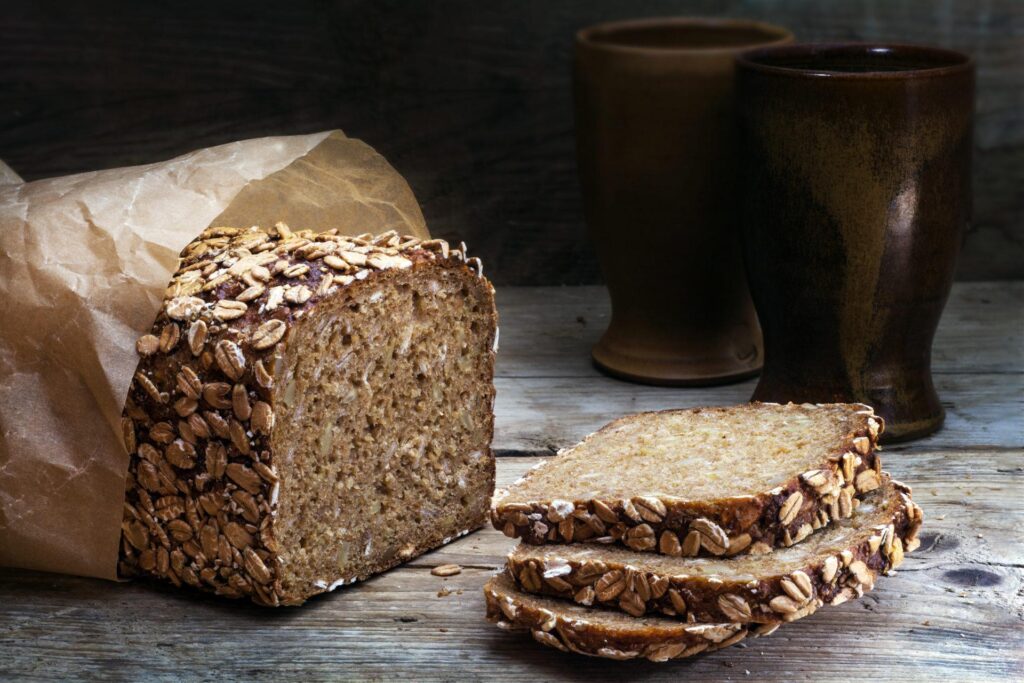
Using banneton: preparation and advice
Preparing the banneton before use
The effective use of a banneton always starts with adequate preparation. Before you start your first use, make sure you prepare it correctly to prevent your dough pieces from sticking to the walls of the banneton, which could affect the shape and structure of your bread. Sprinkle your banneton generously with flour, preferably using rice flour due to its ability to stay dry and not absorb moisture from the dough. Lightly brushing the surface of the banneton between each use helps remove dough residue and keeps the surface clean and efficient for the next use.
Shaping techniques and placement of the dough
THE shaping the dough is a crucial step for optimal use of the banneton. Shaping tightly and evenly will help your dough maintain its shape and rise better. Once shaped, place the dough in the banneton with the seam side up. This will allow the dough to maintain a consistent structure during fermentation. Additionally, make sure your dough is well covered to prevent it from drying out during the fermentation period.
Tips for optimal fermentation
There fermentation is undoubtedly one of the most delicate stages in the preparation of artisanal bread. Temperature and humidity play a crucial role in this process. Be sure to keep your dough at a stable temperature, ideally between 24°C and 28°C, which promotes regular fermentation. Using a lid or damp cloth can help maintain the necessary humidity around the dough in the banneton. This prevents the formation of a crust on the surface of the dough, thus allowing a uniform and voluminous rise.
Management after fermentation
Once the fermentation phase is complete, unmolding of the bread must be done carefully to preserve the shape and structure developed during rising. Carefully invert the banneton onto a prepared baking sheet, being careful not to deflate the dough. This manipulation must be done gently to avoid disturbing the gas bubbles formed inside the dough, essential to the airy texture of the bread.
FAQ – Frequently Asked Questions
- How to clean a banneton after use?
It is recommended to let the banneton dry completely after each use, then remove flour and dough residue using a brush. Avoid using water because banneton is mainly made of natural material which could deteriorate. - Can we leave the dough to ferment overnight in the banneton?
Yes, it is entirely possible to leave the dough to ferment overnight, especially if you use a slow fermentation technique at low temperatures. Make sure the banneton is well covered to prevent the dough from drying out. - Is it necessary to sprinkle flour each time you use the banneton?
Yes, dusting flour is crucial to prevent the dough from sticking to the sides of the banneton. This makes it much easier to unmold the bread after fermentation.
Articles sur le même Sujet
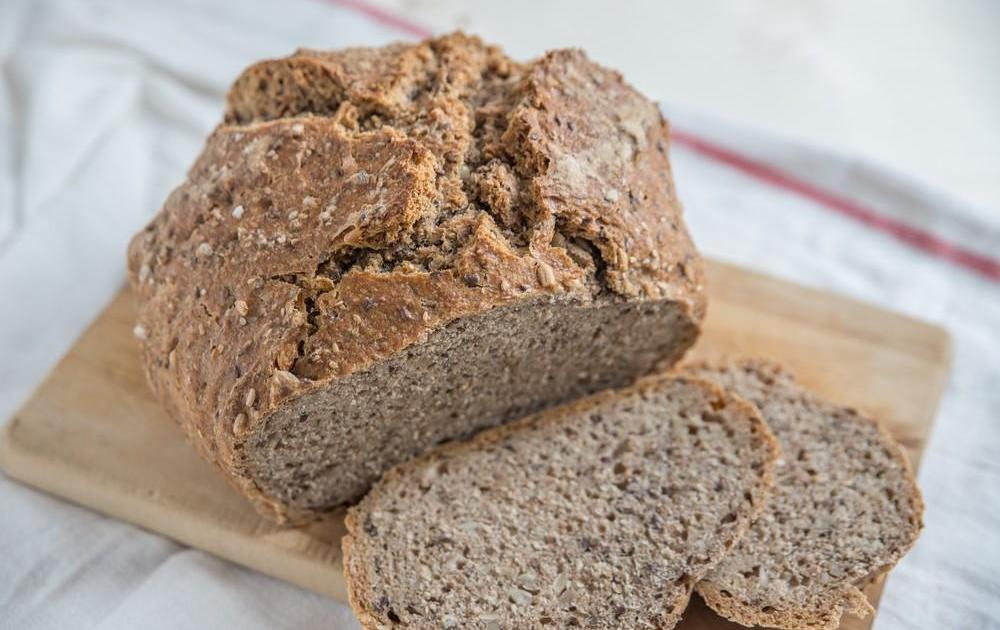
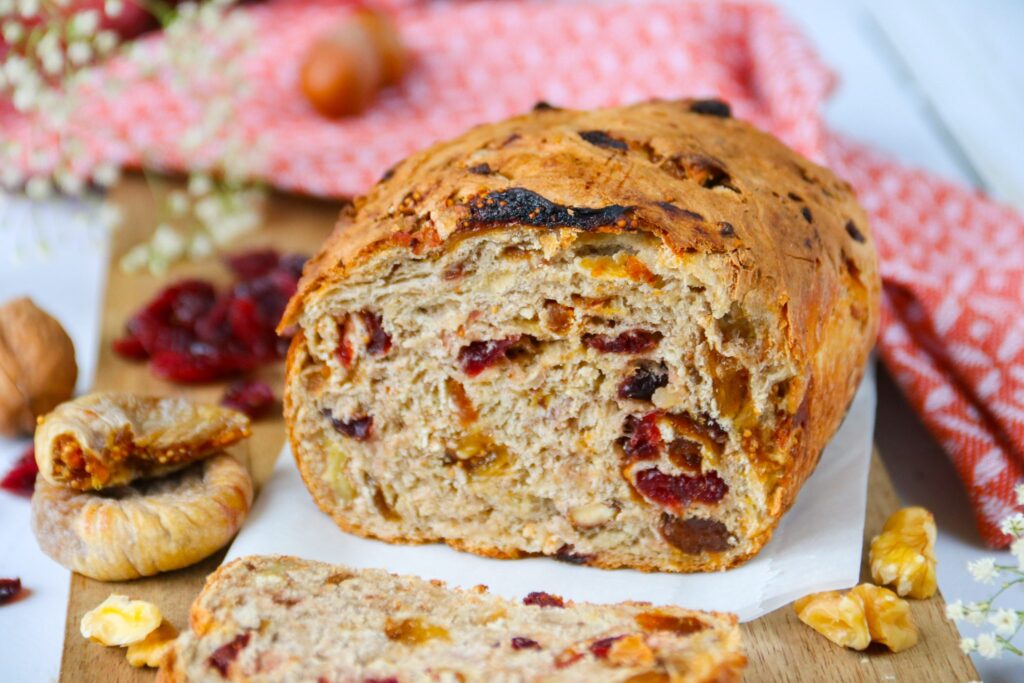
Mixing and kneading black bread dough
The Basics of Mixing Ingredients
Making black bread dough begins with the careful selection and mixing of ingredients. The main components usually include flour rye or whole wheat, water, yeast and salt. Measuring proportions accurately is crucial to ensure bread consistency and quality.
The process begins by dissolving the yeast in warm water, an essential step for activating the yeast. Next, the dry ingredients are combined separately before incorporating the yeast mixture. To enrich the flavor of black bread, ingredients like molasses, honey, or sunflower seeds can be added.
Dough Kneading Techniques
Kneading is a crucial step in bread making. This technique makes it possible to develop the gluten, which is responsible for the texture and structure of the bread. For dark bread, efficient kneading is particularly important given the density of the flour used.
Start by kneading the dough on a lightly floured surface. Use the heels of your hands to push the dough away from you, then fold it toward you and turn it slightly. The process should be repeated until the dough becomes smooth and elastic, which can take about 10 to 15 minutes by hand. THE stand mixers with a dough hook can also be used to reduce physical effort.
Management of Rest and Fermentation Time
After kneading, the dough must rest to allow the gluten to relax and the yeast to do its work. This rest is crucial for the taste and structure of the bread. The dough must be covered with a damp cloth and left in a warm place for a first rise, which generally lasts between 1 and 2 hours. During this phase, the dough should double in volume.
Once the dough has risen, it is gently degassed then shaped into the desired shape before being placed in a mold or on a baking tray. A second rise can follow, making the bread even lighter and airier.
Black Bread Dough FAQ
- What type of flour is best for dark bread? Rye flour or a combination of wholemeal and rye flour is often used for dark bread because it gives a dense, rich texture.
- How long should I knead the dough for optimal texture? Hand kneading should take about 10 to 15 minutes. If using a mixer, check the dough after about 8 minutes; it should be smooth and elastic.
- Can the bread maker be used for black bread? Absolutely, bread machines are equipped with specific programs for kneading and baking black bread, simplifying the whole process.
Articles sur le même Sujet
First rise: techniques and tips to optimize fermentation
The basic principles of fermentation in baking
Fermentation is a crucial process in bread making, directly impacting the quality and texture of the final product. This biological process begins when yeast converts sugars in flour into carbon dioxide and alcohol, causing the dough to rise. Understanding and controlling this step is essential to successful baked goods.
It is essential to choose the right type of yeast; fresh or dry yeasts are the most common in baking recipes. The temperature of the water used to activate the yeast must be optimal, generally between 35°C and 38°C, to ensure effective activation without killing the yeast.
Time and temperature optimization
Precise control of time and temperature during the first rise is decisive for the final result. A fermentation temperature of 24°C to 28°C is ideal for most doughs. Too high a temperature can cause fermentation too quickly, harming the flavor and structure of the crumb, while too low a temperature can slow down yeast activity.
Fermentation time also varies depending on the recipe and room temperature. Generally, a first rise lasts between 1 and 2 hours. For enriched doughs or doughs requiring more complex flavor development, such as those used for specialty breads, this time may be extended.
Impact of ingredients on fermentation
Adding certain ingredients may affect the rising process. Salt, for example, is crucial not only for flavor but also because it regulates yeast activity by slowing fermentation. This allows for a more uniform distribution of gas and better structuring of the dough.
Fats like butter or oil can also influence rising. They cover the proteins in the flour, thus slowing their ability to form gluten. An appropriate dosage is therefore necessary to balance the texture and volume of the finished product.
The importance of kneading and dividing
Kneading is a fundamental element in the development of gluten, which helps trap the carbon dioxide produced by the yeast. Efficient kneading ensures even distribution of yeast and regular fermentation throughout the dough. After the first rise, dividing and shaping the dough is crucial to release excess gas and distribute the yeast before the second rise and baking.
Applying these methods helps ensure that the dough achieves the desired texture and taste, contributing to the success of any baking recipe.
FAQ about fermentation in baking
What is the ideal temperature to activate yeast?
The ideal temperature for activating yeast is generally between 35°C and 38°C. If the water is too hot, it can damage or kill the yeast, preventing the dough from rising properly.
The duration of the first rise varies depending on the recipe and ambient conditions, but it usually lasts between 1 and 2 hours. For certain specialty breads, this rising can be extended to develop more complex flavors.
Salt slows fermentation by controlling yeast activity. This allows for more uniform gas development and better dough structure, while adding flavor to the bread.
Articles sur le même Sujet
Forming bread and optimal use of the banneton
The Essential Steps for Preparing Homemade Bread
Bread making requires precision and attention to detail. The first step is to choose flour from quality, preferably organic, to guarantee better flavor and optimized nutritional intake. Then, the yeast or leaven, which is the engine of fermentation, must be fresh and active to ensure good rise of the bread.
Finally, the water must be at room temperature – neither too hot nor too cold – so as not to disrupt the activity of the yeast. The quantity of water varies depending on the absorption capacity of the flour and the humidity of your working environment. This will directly influence the crumb texture and crust of your bread.
Using Banneton for Professional Results
THE banneton is a traditional tool used during the final stage of bread rising. Generally made of wicker or synthetic food material, it is designed to maintain the shape of the bread while allowing it to breathe. The use of banneton not only helps to create a beautiful rounded shape, but also to print delicate patterns on the crust of the bread.
Before each use, it is essential to generously flour the banneton to prevent the dough from sticking. After use, it should be cleaned well and stored in a dry place to preserve its longevity.
Combine the Ingredients and Respect the Exposure Times
After mixing the flour, water, sourdough or yeast, and salt, it is crucial to knead the dough until it becomes smooth and elastic. This process develops the gluten network, essential for the texture of bread.
The first lift, or bulking fermentation, generally lasts between 1 to 2 hours. During this time, the dough should double in volume. Once this stage is reached, the degassing is made to evenly distribute the carbon dioxide produced by fermentation, thus refining the structure of the crumb.
The dough is then shaped and placed in the banneton for a second rise, which can last up to an hour. This step is crucial for the dough to develop the desired flavors and texture.
Tips for Perfect Cooking
Cooking must be adapted to the type of bread you want to obtain. Preheating your oven to 230°C and using a pizza stone or baking tray to simulate a bread oven allows you to obtain a crispy crust and an airy crumb. Introducing a container containing water into the oven will also create steam, thus contributing to better rising of the bread crust.
Baking time will vary depending on the size and shape of the loaf but, in general, a 500 gram loaf will require around 35 minutes of baking.
FAQs
1. What is the role of banneton in bread making?
Banneton helps maintain the shape of the bread, promotes an evenly crisp crust, and imbues attractive patterns on the bread with its texture.
2. How to prevent the dough from sticking to the banneton?
It is advisable to flour the banneton abundantly before each use, using rice flour for best results, as it does not stick or alter the taste of the dough.
3. Can you bake bread directly in the banneton?
No, the banneton is only used for fermentation and shaping. Cooking should be done on a preheated pizza stone or baking tray to obtain a good crust.
Cooking black bread: recommended temperatures and times
Learning to cook black bread requires a thorough understanding of its specificities, particularly in terms of choice of ingredients and preparation techniques. This type of bread, rich in fiber and nutrients, is famous for its dense texture and strong flavor.
Choice of ingredients and preparation of the dough
The choice of ingredients is essential to achieve a successful black bread quality. Rye flour, often used for its ability to give a soft texture to bread, must be of first choice. Incorporating black malt or molasses can enrich the color and flavor of bread.
- Hydration: Rye dough often requires higher hydration than wheat, making kneading specific and essential.
- Leaven: The use of an active leaven is recommended for adequate leavening and optimal flavor development.
Specific kneading and shaping techniques
For the black bread, kneading must be done carefully to avoid overworking the dough. Shaping must also be adapted to maintain the structure of the bread, which directly influences the texture of the crumb.
- Gentle kneading: Choose less intense but longer kneading to allow the dough to develop its aromas without collapsing.
- Break : Longer rest times between shaping steps improve fermentation and bread structure.
Cooking management
Cooking the black bread must be carefully controlled to obtain a crispy crust and a perfectly airy crumb. Proper oven temperature and timing are crucial.
- Temperature : A high baking temperature initially, followed by a reduction, helps form a sturdy crust while retaining moisture inside the bread.
- Steam : Adding steam during the first few minutes of cooking helps develop a thicker, crispier crust.
FAQs
What is the best type of flour for making black bread?
Rye flour is generally favored for dark bread due to its richness in minerals and fiber, but a mixture with wheat flour can also be used to adjust the texture.
How long should you knead black bread dough?
Kneading must be long enough to homogenize the ingredients but gentle enough not to degrade the rye gluten structure. Generally, kneading for 10 to 15 minutes is recommended.
What temperature is ideal for baking dark bread?
Start by preheating your oven to 250°C, then reduce to 200°C after putting the bread in the oven. Adding steam is crucial during the first few minutes of cooking.