


How to make natural sourdough every time?
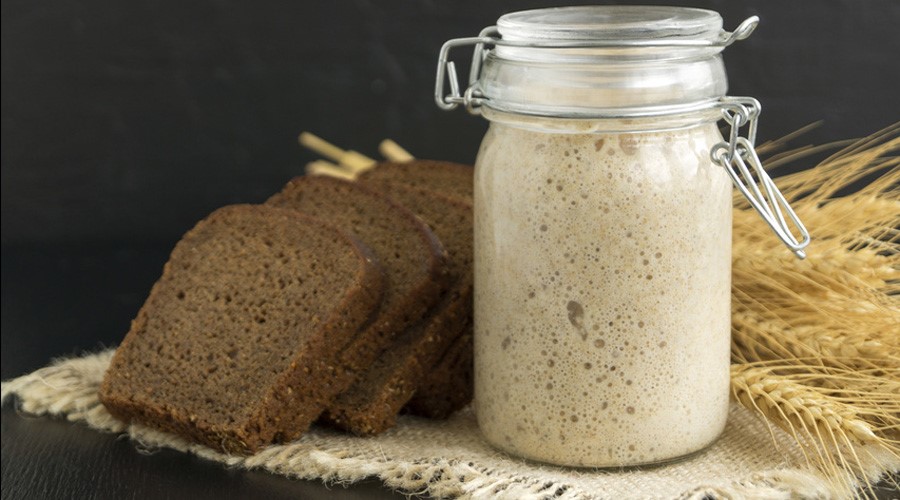

Mastering the creation of a natural sourdough is essential for any artisan baker passionate about the quality and authenticity of their breads. This article reveals proven techniques and precise advice for successful sourdough every time, allowing you to produce breads with incomparable flavor, texture and quality. Learn to control key parameters like temperature, hydration, and fermentation time to obtain an active and robust sourdough.
Choice of ingredients for a quality sourdough
The fundamentals of Natural Sourdough
THE Natural leaven consists mainly of flour and water, but the quality of these components can significantly influence the growth and activity of the culture of microorganisms present. The ingredients chosen to feed the sourdough must promote optimal development of naturally present yeasts and lactic acid bacteria.
Flour quality
The selection of the flour is crucial for a quality sourdough. Wholemeal or semi-wholemeal flours, rich in nutrients and enzymes, are preferable because they provide a rich and varied diet for microorganisms. The presence of germs and bran particles in these flours also stimulates fermentation activity, essential to the good health of the leaven.
It is also essential to consider the origin and type of cereal. Flours made from organic wheat or rye guarantee the absence of pesticides and other chemicals that could disrupt fermentation.
The importance of water
L’water, a vital element of sourdough, must be purified or lightly mineralized so as not to introduce contaminating agents which could inhibit the development of cultures. Chlorinated water, for example, can destroy beneficial yeast and bacteria in sourdough. It is therefore advisable to use filtered or spring water.
Frequency and proportions of refreshment
The regularity of refreshed is a fundamental aspect in the management of sourdough. Regular feeding (every 24 to 48 hours) and constant proportions are recommended to maintain balanced fermentation activity. As a general rule, the ideal proportion per refreshment is 1:1:1 (sourdough: water: flour).
Frequently Asked Questions (FAQ)
- What is the best flour to start a sourdough?
Wholemeal rye flour or wholemeal wheat flour are ideal, as they are rich in nutrients and promote the enzymatic activity necessary for sourdough development. - Can you use tap water for sourdough?
It is best to avoid tap water if it is chlorinated. Filtered or spring water is more appropriate so as not to negatively affect the microbial flora. - How long does it take to get active sourdough?
The development of an active sourdough can take between 5 and 7 days, depending on the ambient temperature and the frequency of refreshing.
Articles sur le même Sujet

Key steps for sourdough activation
Preparation of Sourdough Seeds
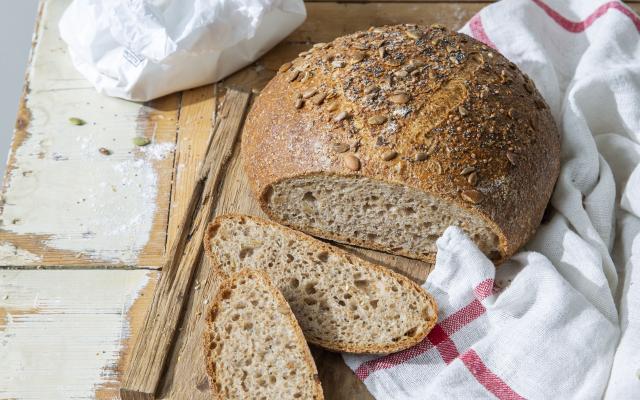
The creation of a Natural leaven begins with the preparation of an initial sourdough, often referred to as “chef sourdough” or “seed sourdough”. This initial mixture is crucial because it will serve as the base for all future sourdough cultures. To prepare it, mix equal amounts of flour and water. The use of wholemeal or rye flour is recommended because it contains more nutrients and natural microorganisms. Make sure the water is at room temperature to encourage microbial activity.
Feeding the Leaven
The sourdough feeding process is essential for its development and vigor. After the initial preparation, let the sourdough rest in a place at room temperature. This rest usually lasts about 24 hours. Subsequently, it is necessary feed the leaven daily. This feeding consists of adding new portions of flour and water, always maintaining equal proportions. This process develops the acidity and the bacterial flora necessary for the good activity of the leaven.
Monitor Maturity and Activity of Sourdough
The activity of your sourdough starter can be monitored through visible signs such as bubble formation and volume increase. Healthy sourdough should be able to double in size several hours after being fed. Additionally, the smell of sourdough is also an indicator of its health: a sour-sweet smell is usually a good sign, while an unpleasant smell may indicate contamination or improper fermentation. Regular observation allows food and rest cycles to be adjusted if necessary.
Tips for Maintaining Vitality of Sourdough
Maintaining active sourdough requires a stable temperature, ideally between 20°C and 25°C. Significant temperature fluctuations can affect the microorganisms in the sourdough starter. Additionally, it is recommended to store your starter in a glass or ceramic container with a non-tight lid to allow for air exchange. For times when sourdough is not used, it can be stored in the refrigerator and fed once a week to slow its activity and keep it dormant without letting it die.
Sourdough Activation FAQ
What is the best flour to start a sourdough?
Rye flour or a wholemeal flour (such as whole wheat flour) are often recommended to start a sourdough. These flours are rich in nutrients and facilitate the development of natural yeasts and bacteria.
How do I know if my sourdough starter is ready to use?
Sourdough is generally ready when it has doubled in volume and has bubbles on the surface. It should have a foamy consistency and a pleasantly sour smell.
Can we recover sourdough that appears to be dead?
Yes, often sourdough can be salvaged by removing the parts that appear to have gone moldy or have an unpleasant odor and then feeding it regularly. If activity does not resume after several days, it may be necessary to start a new sourdough.
Articles sur le même Sujet


The ideal temperature to cultivate your sourdough
Understanding the Importance of Temperature in Sourdough Culture
The culture of Natural leaven is a fundamental element of artisanal baking, allowing the production of breads with exceptional texture and flavor. The temperature at which sourdough is maintained can significantly influence the quality and activity of the microorganisms that thrive in it, such as yeasts and lactic acid bacteria.
Ideally, the temperature for cultivating effective sourdough is between 21°C and 26°C. These temperatures allow optimal growth of yeasts and bacteria, promoting regular and efficient fermentation. A temperature outside of this range can cause slowed or excessive microbial activity, affecting the texture, taste and even viability of the sourdough.
Factors Affecting Sourdough Temperature
Several factors can influence the temperature of your sourdough during its culture:
- The environment: The ambient temperature of your kitchen or the space where the sourdough is stored plays a crucial role.
- The season: Seasonal variations cause changes in ambient temperature, which must be taken into account.
- The container: The materials of the container where the sourdough is kept can insulate the heat more or less effectively.
These elements must be controlled to maintain the ideal sourdough temperature constant, thus ensuring regular and predictable fermentation.
Techniques for Maintaining Optimal Temperature
Maintaining the ideal temperature for sourdough requires some attention and a few specific techniques:
- Using a proofer or oven with a light on: These devices can help maintain a constant and ideal temperature for the development of the sourdough.
- Digital thermometer: Use a thermometer to regularly monitor the temperature of the sourdough and its environment.
- Strategic location: Place the sourdough in a part of the house where the temperature is most stable.
The application of these methods will ensure that sourdough is cultured at the temperature most conducive to its optimal development.
FAQs
1. What is the consequence of too low a temperature for the sourdough?
Too low a temperature can significantly slow down the activity of yeast and bacteria, prolonging the fermentation time needed and possibly even rendering the starter inactive.
2. Can we use the fridge to slow down the fermentation of sourdough?
Yes, the refrigerator can be used to slow down the fermentation of sourdough. This is often done overnight or when you want to slow down the process for scheduling reasons.
3. Is it necessary to heat sourdough in summer?
In summer, if the ambient temperature exceeds 26°C, it may be necessary to find a cooler location or use cooling methods to keep the sourdough temperature within the ideal range.
Articles sur le même Sujet


Refresh frequency and techniques
Mastery of Natural leaven is essential for the production of quality breads with authentic texture and flavor. A crucial aspect of this mastery lies in understanding the frequency of sourdough refreshing as well as associated techniques.
Understanding refresh rate
How often sourdough should be refreshed depends on multiple factors, such as room temperature, desired consistency, and activity of the sourdough. Typically, active sourdough starter should be refreshed every 12 to 24 hours at room temperature. If the sourdough is stored in the refrigerator, a weekly refresh may be sufficient.
It is crucial to note that these frequencies can vary depending on the environment and the specific use of the sourdough. A careful eye and adaptation to the reactions of the leaven are recommended to optimize its fermentative activity.
Effective cooling techniques
For a optimal sourdough refreshing, the proportion between the leaven, the water and the flour is decisive. Following the “one for one for one” rule is often advised for beginners, involving the use of equal parts sourdough, water and flour by weight.
- Add an equivalent quantity of temperate water to your sourdough (neither too cold nor too hot).
- Gradually incorporate the flour until you obtain a homogeneous but not too stiff consistency.
- Mix vigorously to incorporate air, which will promote the activity of natural yeasts and bacteria.
Precision in proportions and consistency in methods prove crucial to the development of a robust and active sourdough culture.
Frequently Asked Questions (FAQ)
- How often should I refresh my sourdough during hot times of the year?
During warm periods, it is often necessary to refresh the sourdough more frequently, potentially every 8 to 12 hours, due to more intense microbiological activity. - How do I know if my sourdough starter is ready to be refreshed?
Sourdough ready for refreshing often has a surface covered with small bubbles and has usually doubled in volume since its last refreshing. - What should I do if my sourdough gets too acidic?
A sourdough that is too acidic may require more frequent refreshing with an adjustment of the proportions in favor of flour to dilute the acidity and rebalance the culture.
Articles sur le même Sujet
Common Troubleshooting: How to Save a Sourdough That Looks Dead
Identifying Signs of Sourdough Failure
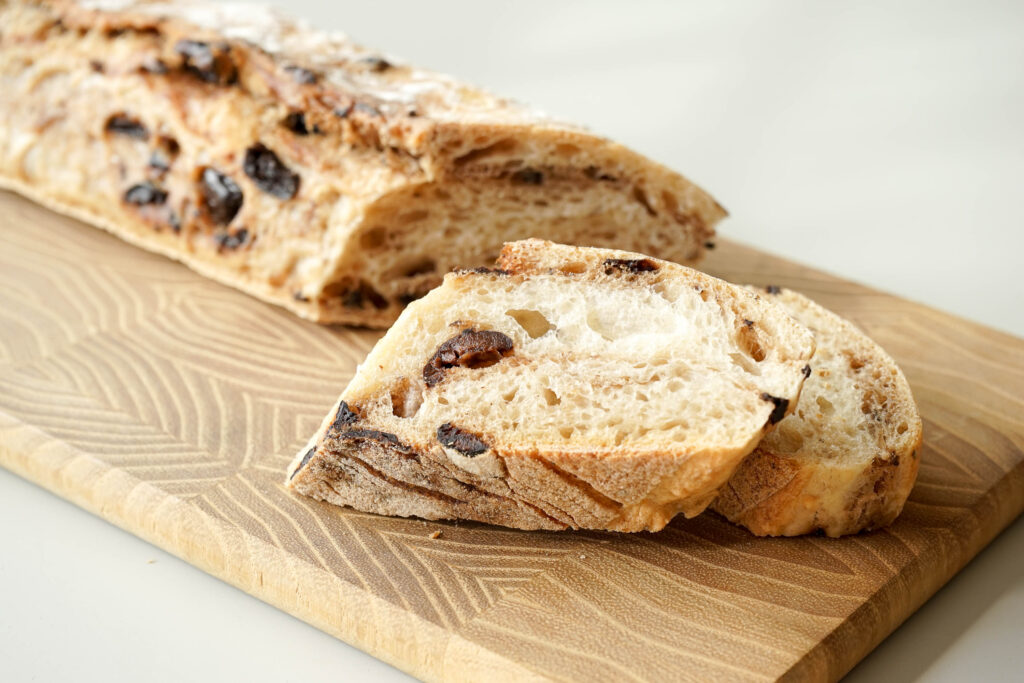
The first step to saving a leaven that appears to be inactive is to identify the symptoms of failure. A sourdough starter can be considered in trouble if it has a lack of bubbles, an unpleasant odor, or a layer of grayish liquid on the surface, often called “hooch.” These indicators suggest that the sourdough is not sufficiently nourished or is stored in inappropriate conditions.
Reactivation of Sourdough
To reactivate a starter, first transfer it to a clean container and feed it with an equal ratio of flour fresh andwater at room temperature. It is crucial to choose high quality flour, such as whole wheat flour, to stimulate the activity of naturally present yeast and bacteria. This step should be repeated every 12 hours until the sourdough shows signs of bubbles and an increase in volume.
Adjustment of Cultivation Conditions
The environment in which sourdough is stored can also affect its vitality. For optimal development, the sourdough must be kept at a stable temperature of around 20-25°C. Avoid extreme temperature fluctuations and drafts which can inhibit fermentation. Additionally, ensure that the sourdough is not too close to sources of contamination or chemicals that could alter its growth.
Diagnosing and Treating Sourdough Infections
Sourdoughs can sometimes become infected with unwanted bacteria or mold. If you notice unusual coloring or a rotten smell, it is advisable to remove the contaminated parts and save a small amount of the healthy starter. The latter can be used to start a new sourdough by feeding it conscientiously, following the reactivation steps mentioned previously.
Natural Sourdough FAQ
How do I know if my sourdough is definitely dead?
If your sourdough starter shows no signs of activity (bubbles, increase in volume) after several feeding cycles and shows persistent signs of contamination (mold, pronounced unpleasant odors), it may be too damaged to save.
How often should I feed my active starter?
An active starter in regular use should be fed once a day if stored at room temperature. For long-term storage, it can be stored in the refrigerator and fed once a week.
What is the best flour to feed a sourdough starter?
To feed a sourdough starter, whole wheat flour or rye flour are often recommended for their rich nutrient content, thus facilitating efficient fermentation and vigorous microbial activity.
Sourdough preservation: tips for maximum longevity
Understanding how natural sourdough works
THE Natural leaven is a living culture of yeasts and bacteria that ferments bread dough, giving it its unique aromas and textures. Its proper storage is crucial to maintain its vigor and extend its lifespan. It is important to note that sourdough must be fed regularly with flour and water to remain active.
Feeding frequency and proportion
The frequency of feeding the sourdough varies depending on the ambient temperature and the desired activity. In general, sourdough stored at room temperature should be fed at least once a day, while those stored in the refrigerator may only be fed once a week. The recommended feeding ratio is generally 1:1:1, or one part sourdough to one part flour to one part water.
Storage and container types
The choice of container is essential for the conservation of leaven. Glass containers with a loose-fitting lid allow the sourdough to breathe while preventing drying out. Metal containers should be avoided as they can react with the acidity of the leaven.
Optimal longer-term storage
For times when you are not actively using your sourdough starter, long-term storage in the refrigerator is recommended. Before storing it, it is best to feed it and then leave it active for a few hours at room temperature. Close the container with a slightly ajar lid or breathable cloth.
Restarting sourdough after long storage
After a period of rest in the refrigerator, sourdough may have a layer of dark liquid on the surface, called “hooch”, which is a byproduct of fermentation. It is advisable to remove this liquid before feeding. Bring your sourdough back to life by feeding it for 2 to 3 days at room temperature until it regains its regular activity.
FAQs
When is the best time to feed natural sourdough?
Feeding your starter daily is best if you keep it at room temperature. Evening feeding can be ideal, allowing you to use the sourdough in your preparations the next morning.
Can any flour be used to feed sourdough?
It is recommended to use unbleached and organic flour to feed the sourdough. Whole wheat or rye flours are particularly appreciated for their richness in minerals and natural ferments.
How do I know if my sourdough starter is still active?
Healthy sourdough should double or even triple in volume between feedings and produce small bubbles on the surface. If the sourdough does not show these signs, you may need to increase the feeding frequency or check the room temperature.