


How to give character to your country breads?


In this article, we’ll explore advanced techniques to enrich the flavor and texture of your country breads. We’ll cover specific fermentation methods, flour choices and kneading tips that help develop distinctive character and unforgettable taste in each loaf. Prepare to transform your country bread into a culinary masterpiece that will delight the most demanding palates.
Choice of ingredients for authentic country bread
The Basics: Flour, Water, Sourdough and Salt
The quality and choice of ingredients are crucial to achieving an authentic country bread. The first essential element is the flour. For a rustic and textured bread, choose T65 or T80 type flour. These types of flour retain a good part of the wheat germ and bran, elements which give your bread its characteristic aromas and better nutritional value.
L’water, preferably filtered or sourced, should be used at room temperature to promote the activity of the natural leaven. THE leaven is preferable to industrial yeast for country bread. It not only brings complexity of taste but also better preservation of the bread. Finally, the salt, preferably unrefined sea salt, is essential to regulate fermentation and enhance the taste of other ingredients.
Additives: Seeds and Cereals
Integrate seeds such as flax, sunflower or sesame can enrich the flavor and texture of country bread. These additions make each bite more interesting and are additional sources of nutrients. THE cereals such as spelled or rye can be mixed into the base flour to vary textures and flavors. Use up to 20-30% of these alternative flours so as not to compromise the structure of the bread.
Kneading and Fermentation Techniques
THE kneading is a key step. It must be long enough to develop the gluten, which will give the bread its structure and elasticity. Slow and controlled fermentation, ideally with a natural leaven, increases the complexity of the aromas and improves the digestibility of the bread. This fermentation can last from 12 to 24 hours depending on the ambient temperature and the vigor of the leaven.
FAQ:
What is the best water temperature for making country bread?
The water used to make bread should be at room temperature, generally between 20°C and 22°C, to optimize the activity of the leaven.
Kneading should last at least 10 minutes by hand or 5 minutes at low speed in a kneader. This helps to properly develop the gluten network necessary for the texture of the bread.
It is possible to use rye flour, but it must be mixed with flour with a higher gluten level, such as T65 or T80 wheat flour, to ensure good structure of the bread.
Articles sur le même Sujet

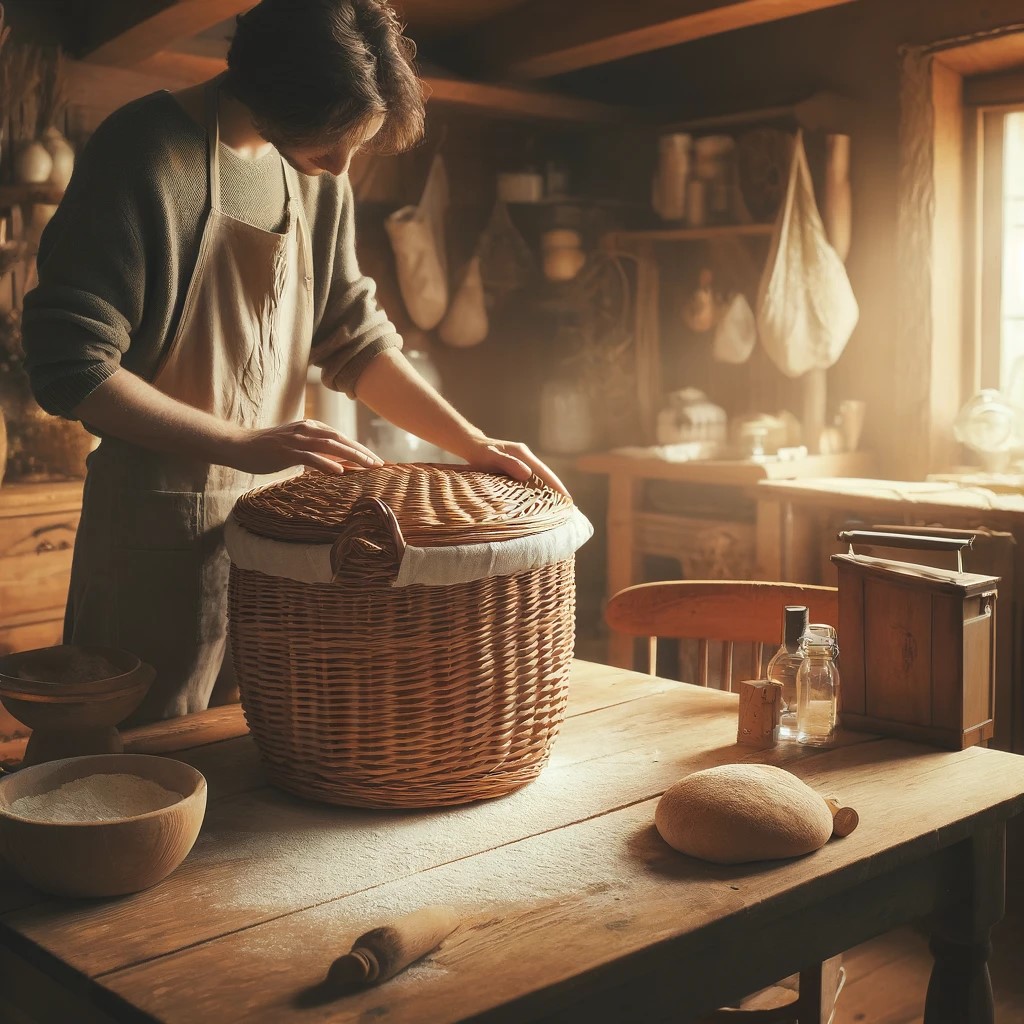
Kneading techniques and their influence on texture
Understanding the crucial role of kneading
Kneading is a fundamental step in the manufacture of many doughs, particularly in bakery and pastry making. This mechanical process allows the ingredients to agglutinate to form a coherent and homogeneous mass. It plays a key role in the development of gluten, a set of proteins present in wheat which, once hydrated and kneaded, give elasticity and volume to the dough. Proper kneading ensures final texture optimal, considerably influencing the quality of the finished product.
Manual versus mechanical kneading techniques
There are two main methods of kneading: manual and mechanical. Hand kneading provides an intimate connection with the dough, allowing artisans to feel and adjust the texture based on how the dough reacts. This method, however, requires more time and physical effort. In contrast, mechanical kneading, carried out with professional mixers or kneaders, ensures constant force and can process large volumes of dough with great regularity. Choosing between these two techniques often depends on the volume of production and the type of product desired.
Key parameters when kneading
When kneading, several parameters must be taken into account to obtain the desired results. There speed and the duration kneading directly influences the development of gluten. Kneading too short can result in a weak dough and a dense final product, while kneading too long can break down the gluten and result in a sticky, difficult-to-form dough. Hydration of the dough is also crucial; a fair balance between the quantity of water and flour allows you to obtain the desired consistency. Finally, the temperature of the dough, influenced by the temperature of the ingredients and the working environment, must be controlled to optimize the fermentation activity and the development of the product.
FAQs
- What is the ideal kneading time to obtain a good dough texture?
The duration varies depending on the type of dough and kneading method. In general, 10 to 15 minutes using a mechanical mixer and 20 to 25 minutes by hand is sufficient for most standard doughs. - How do you know if the dough has been kneaded enough?
A simple test is the haze test: take a small piece of dough and gently stretch it. If the dough can stretch into a thin layer without tearing, the gluten is sufficiently developed. - Why is it important to control the temperature during kneading?
Adequate temperature ensures better fermentation and influences the texture of the dough. Too high a temperature can accelerate fermentation to the point of harming the structure and taste of the final product.
Articles sur le même Sujet
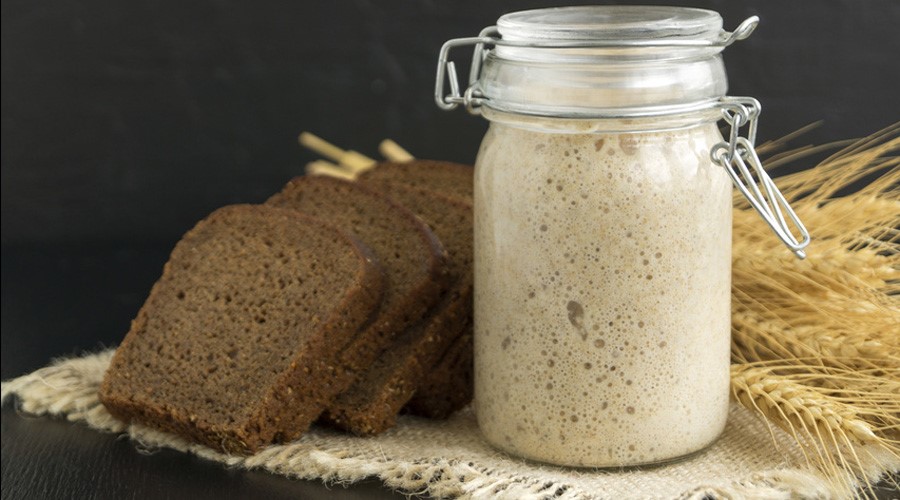

The importance of long fermentation for a strong taste
Definition and Principles of Extended Fermentation
Fermentation is a biological process where microorganisms such as yeast and bacteria convert sugars into alcohol, acids, and gases. In the case of the prolonged fermentation, this process is extended over a longer period, which considerably influences the organoleptic properties of foods. This technique is often used in bakeries, breweries, and in the manufacture of dairy products.
Effects on Flavors and Textures
One of the main advantages of prolonged fermentation is the improvement of the flavor. Enzymes active during fermentation break down proteins and starches, releasing amino acids and sugars that enrich the taste. Additionally, the multiplication of yeasts and bacteria produces organic acids that add deep flavor complexity and often a distinctive sweet and sour note.
About the texture, prolonged fermentation also has a favorable impact. For example, in bread making, it helps develop a more airy crumb with a crispier crust. These characteristics are particularly sought after to improve the overall sensory experience.
Variations according to Food Types
Prolonged fermentation does not affect all foods equally. In dairy products, for example, it allows for cheeses with more complex flavor profiles and firmer textures. For drinks like beer or wine, longer fermentation can reduce the residual sugar content, thereby increasing the alcohol content and the intensity of the aromatic bouquet.
FAQs
- What are the benefits of prolonged fermentation for bread?
The bread benefits from improved textures, better natural preservation thanks to increased acidity, and a richer, more complex taste profile. - Can prolonged fermentation influence the nutritional value of foods?
Yes, it can increase the availability of certain nutrients, such as B vitamins, and improve the digestibility of foods by breaking down difficult-to-digest compounds. - Are there any risks associated with prolonged fermentation?
If uncontrolled, prolonged fermentation can lead to the overproduction of acid, making some foods excessively sour and less pleasant to eat. Accurate monitoring of the process is therefore essential.
Articles sur le même Sujet
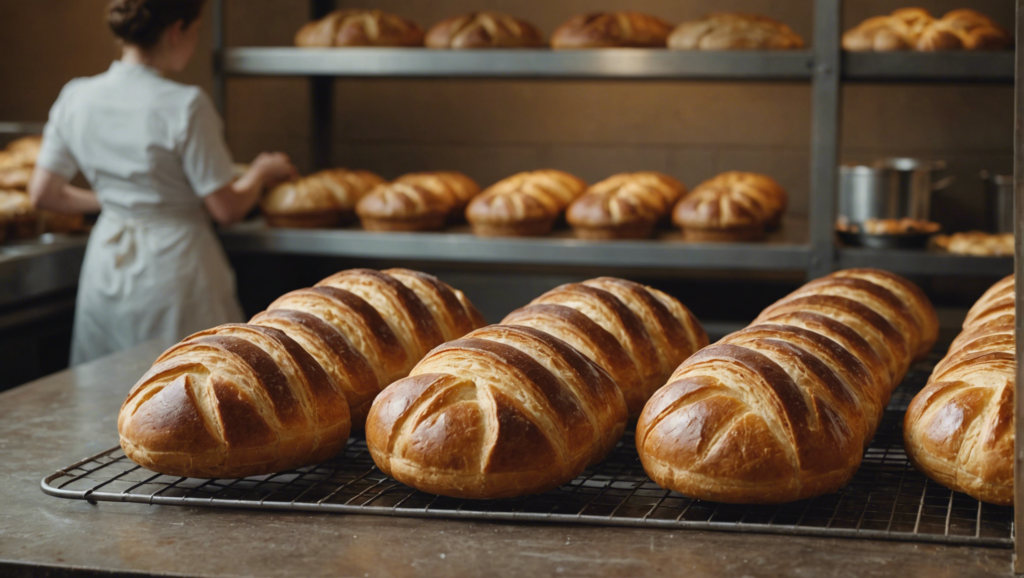
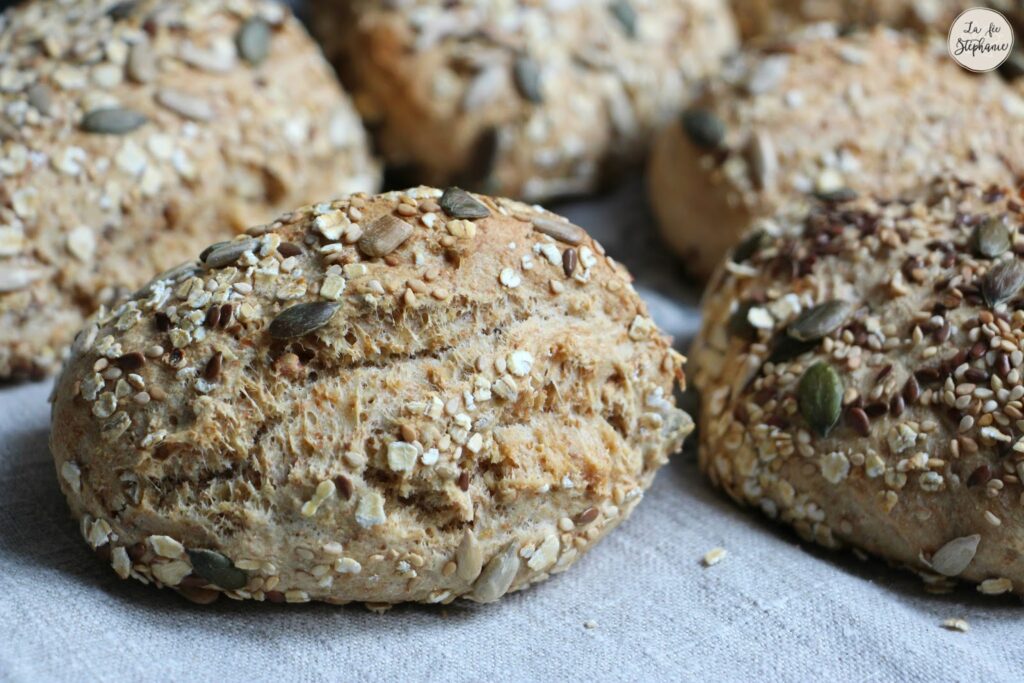
Flour varieties and their impacts on the character of bread
Understanding Flour Types and Their Impact on Texture
For those passionate about baking, the selection of flour is crucial to creating bread with the desired texture and taste. Different types of flour directly affect the elasticity, rise and flavor of bread. All-purpose wheat flour, for example, is versatile and suitable for most standard bread recipes, while whole-wheat flour provides a denser texture and stronger flavor, ideal for rustic breads.
Rye flour, on the other hand, makes a heavier, slightly sticky dough, resulting in a dense bread with a distinct flavor. For those looking for a fine, airy texture, type 00 flour, often used for pizza, can be a wise option. Each of these types of flour provides specific characteristics that modulate the character of your creations.
The Influence of Gluten on the Structure of your Bread
THE gluten, a set of proteins found in many wheat flours, plays an essential role in forming the structure of bread. High gluten flour, often referred to as strength flour, is ideal for breads that require high elasticity, such as baguettes or bulky loaves. This flour allows the dough to retain the gases released during fermentation, creating a light and airy bread.
Conversely, for flatter breads such as certain types of focaccia or flatbreads, a flour with a lower gluten level may be preferred, which limits the elasticity of the dough and promotes a denser and softer texture. .
Select Flour Based on Desired Taste
In addition to texture, the choice of flour also influences the taste bread. Whole wheat or whole grain flour offers a rich aroma and nuanced flavor, often with a hint of nuttiness. These flours are also higher in nutrients, providing additional health benefits.
Unconventional flours such as spelled, kamut or even buckwheat can add a unique flavor dimension to your bread. Choosing these flours not only diversifies taste profiles but also adapts to specific dietary needs, such as gluten-free diets.
FAQs
What flour is best for making crusty bread?
To obtain bread with a crispy crust and an airy crumb, opt for strong flour. This high-gluten flour helps dough rise efficiently and develop a sturdy crust.
Can you mix different flours to make bread?
Absolutely, mixing different flours can not only adjust the texture and taste of your bread but also enrich its nutritional value. For example, a mixture of white flour and wholemeal flour can balance the desired lightness and density in your bread.
How to store flour to maintain its freshness?
It is recommended to store flour in an airtight container away from light, heat and humidity. This helps maintain its baking qualities and extend its shelf life.
Articles sur le même Sujet


The art of baking: temperature and time for a perfect crust
One of the most crucial aspects of obtaining a crispy crust on bread lies in the precise control of the temperature and timing when cooking. This detailed guide explores the optimal strategies for mastering these two key elements and thus guaranteeing exceptional quality in every batch.
Understanding the Impact of Temperature on the Crust
The temperature of the oven determines the texture and color of the crust. An initial high temperature (around 230-250°C) is essential to create a thermal shock which allows the bread to rise quickly and crispiness to appear. However, this temperature must be adjusted as cooking progresses to avoid burning the crust while ensuring complete cooking.
The Role of Timing in Baking Bread
Timing is just as crucial as temperature. The bread must spend enough time in the oven so that the crust develops correctly, but not for too long as to risk drying out the crumb. A general rule is to start with a longer cooking time at a high temperature, then reduce the temperature and shorten the times for subsequent batches, depending on the desired crust characteristics.
Techniques to Optimize the Crust
Using steam at the start of cooking can also contribute to a crispier crust. By creating a moist environment, steam delays crust formation, allowing the bread to rise further and form a sublime crust once the steam dissipates and the oven temperature stabilizes.
Essential Tools for Perfect Cooking
Investing in a good quality oven that maintains consistent temperatures is crucial. The use of a oven thermometer can help monitor temperature accurately. Additionally, the pizza stone or steel baking sheet is recommended for even heat redistribution.
FAQs
What is the best temperature to bake bread?
The ideal temperature for baking bread is between 230 and 250°C at the start of baking, then can be reduced to allow the crust to become crisp without burning.
How long should you bake bread to get a good crust?
The time varies depending on the size of the loaf, but an average is between 20 and 30 minutes. It is important to adjust the baking time based on the color and texture of the crust during the first batches.
Is it necessary to use steam when baking bread?
Yes, using steam during the first few minutes of baking can greatly improve the texture of the crust by allowing maximum rise before it begins to harden.
Incorporation of natural additives to enrich flavors
The Role of Natural Additives in Flavor Improvement
THE natural additives play a crucial role in improving flavors in baking and pastry. Their use not only enhances the taste of the final products, but also extends the shelf life and improves the texture. These additives, extracted from natural sources, are preferred for their health benefits and their lower environmental impact compared to synthetic additives.
Types of Natural Additives Used in Bakery
Several additives taken from nature are commonly used, each having a specific function. Among them, we find:
- Enzymes, which improve the workability of the dough and its fermentation capacity.
- Natural emulsifiers, such as lecithin, which help maintain texture and distribute ingredients evenly.
- Natural preservatives, such as sorbic acid or acetic acid, which increase the shelf life of breads and pastries.
- Natural flavors, which enhance the taste and aroma of the final products.
Benefits of Natural Additives
Use natural additives in the preparation of bakery products has multiple advantages. Not only do they contribute to a richer and more complex flavor profile, but they also improve the nutritional aspect of the products. Consumers are increasingly looking for “clean label” products, that is to say without artificial additives or chemical substances, which makes the use of natural additives particularly relevant.
Practical Implementation
Integrating these additives into the manufacturing process requires a deep understanding of their interactions with other components in the recipe. For example, the addition of enzymes must be carefully controlled to optimize dough rise and texture. Likewise, the quantity and type of natural emulsifiers must be adapted specifically to the type of finished product desired.
FAQs
What are the most frequently used natural additives in baking?
In baking, enzymes, natural emulsifiers such as lecithin, preservatives such as acetic acid, and natural flavors are among the most used.
Are natural additives safe for health?
Yes, natural additives are generally considered safe and may even provide health benefits, unlike some artificial additives which can be harmful in the long term.
How do natural additives influence the preservation of baked goods?
Natural additives like natural preservatives help prevent the growth of mold and bacteria, prolonging the freshness and edibility of baked goods.