


How to obtain an airy and light crumb in your bread?
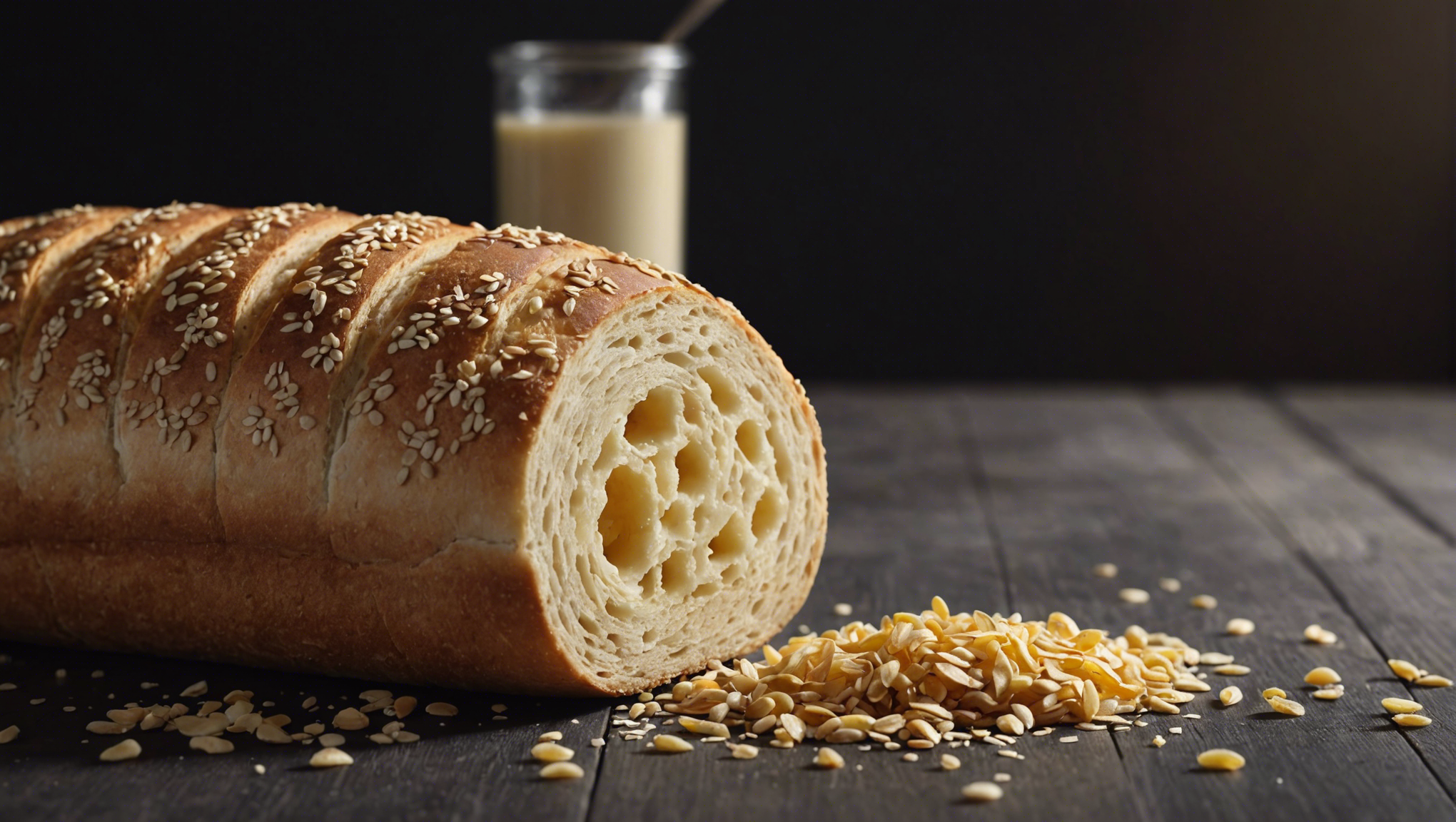

Discover the secrets of an exceptionally airy and light crumb in your breads. From careful ingredient selection to the art of fermentation, kneading and baking techniques, this article walks you through the crucial steps and pro tips to turn every batch into a success.
Choosing the Suitable Flour for Light Bread
When we seek to create a light bread and airy, the choice of flour is crucial. Not only does flour variety impact texture and flavor, but it also influences the fermentation process and final structure of the bread. This article explores the different types of flours and their attributes to help you select the best option for your bread.
The Most Suitable Types of Flour for Light Bread
There wheat flour T45 or T55 is often preferred for making light breads. These types of flour are more refined, having undergone finer sieving, which allows for more controlled fermentation and a finer, lighter crumb. T45 flour, in particular, is ideal for traditional French breads, offering a thin, crispy crust and a soft crumb.
Oatmeal flour, an even more refined type of wheat flour, is also a great option. It is particularly rich in gluten, which allows the bread to rise well and maintain a light and airy texture. This flour is often used for pastries but can also be successfully applied to fine bread baking.
Impact of Gluten on the Lightness of Bread
THE gluten, a key component in bread making, must be considered carefully. A balanced gluten content is essential: too little, and the bread will not maintain its structure; too much, and the result may be too dense. Dough handling also plays a crucial role in gluten development. Proper kneading and precise hydration control can turn average flour into excellent light bread flour.
Choosing a Flour According to the Type of Bread Desired
For those looking for a specific texture or following particular diets, there are alternatives such as whole wheat flour or gluten-free flours. The latter may require adjustments in kneading techniques and the choice of leavening agents, but they make it possible to obtain a wide variety of breads that are lighter in texture while being adapted to specific needs.
FAQ on Choosing Flour for Light Bread
What is the main difference between T45 and T55 flour when preparing light bread?
T45 is more finely sifted and contains fewer minerals, making it ideal for very thin and light breads. T55, slightly richer in minerals, offers a slightly more robust texture while remaining suitable for light breads.
Can you use wholemeal flour to make light bread?
Yes, but the process requires more attention. It is crucial to adjust the amount of yeast and hydration to compensate for the extra weight of whole grains.
Is it possible to obtain light bread with gluten-free flour?
Absolutely, although this often requires mixing several gluten-free flours and using gums to mimic the properties of gluten. Adjustments in kneading and proofing can also help maximize lightness.
Articles sur le même Sujet

The Importance of Hydration in Baking
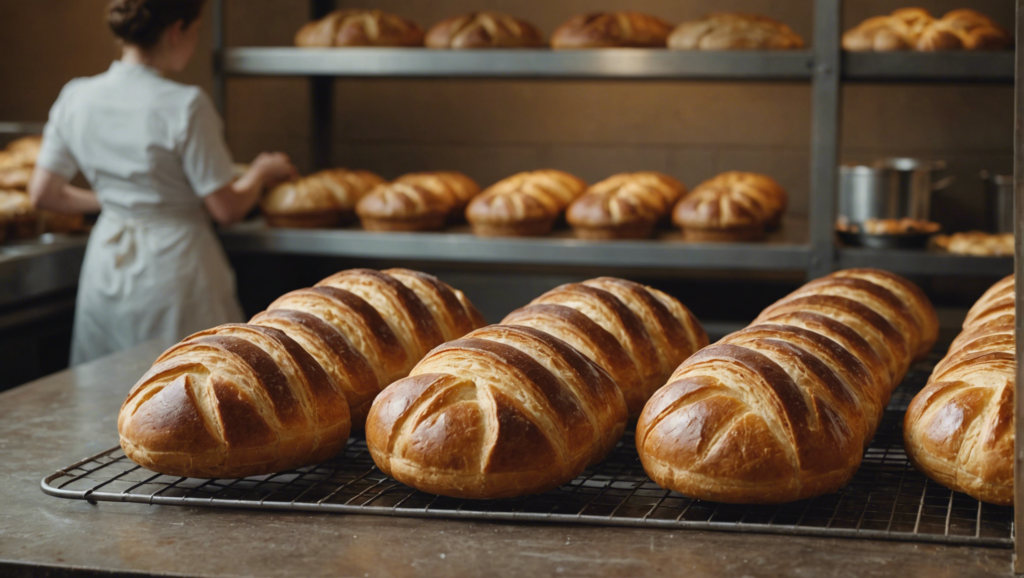
Dough hydration is a crucial factor in bakery modern. Choosing the right level of hydration optimizes the texture, taste and durability of baked goods.
Hydration and Bread Quality
The hydration rate has a direct influence on the final quality of the bread. A high rate allows you to obtain a more airy crumb and an crispier crust. This is because of the ability of well-hydrated dough to develop better gluten structures, promoting a stronger, more elastic network when baking.
Calculation of the Hydration Rate
Calculating the correct hydration level is essential for successful preparations. THE hydration rate is expressed as a percentage of the amount of liquid relative to the amount of flour. For example, a hydration rate of 60% means that for every 100 grams of flour, 60 grams of liquid are used. Adjusting this rate based on the type of flour and desired end product is a fundamental skill for any baker.
Influence of Flour Types
Different types of flour absorb water differently. Wholemeal or whole grain flours, for example, often require a higher level of hydration due to their higher fiber content. Understanding these variations is essential to adjust recipes and guarantee the desired consistency of breads and pastries.
Leaven and Hydration
In traditional and artisanal bakeries, the use of natural leaven is common practice. Since hydration also influences the activity of the sourdough, it is essential to maintain a precise balance to promote optimal fermentation. A well hydrated dough promotes more rapid and vigorous development of the micro-organisms present in the leaven.
Bakery Hydration FAQ
- What is the ideal hydration level for a traditional baguette?
The hydration rate for a traditional baguette is generally between 60% and 65%. This rate allows you to obtain a crispy crust and a light crumb. - How to adjust hydration based on ambient temperature?
In hot weather, it may be necessary to reduce hydration slightly to control fermentation and avoid an overly sticky dough. Conversely, a cooler environment may require a slight addition of water. - Can we use liquids other than water to hydrate the dough?
Absolutely, using milks, juices or even beers can change the flavor and properties of the dough, providing a variety of textures and tastes.
Articles sur le même Sujet

Kneading Techniques to Maximize Volume
The Fundamentals of Kneading
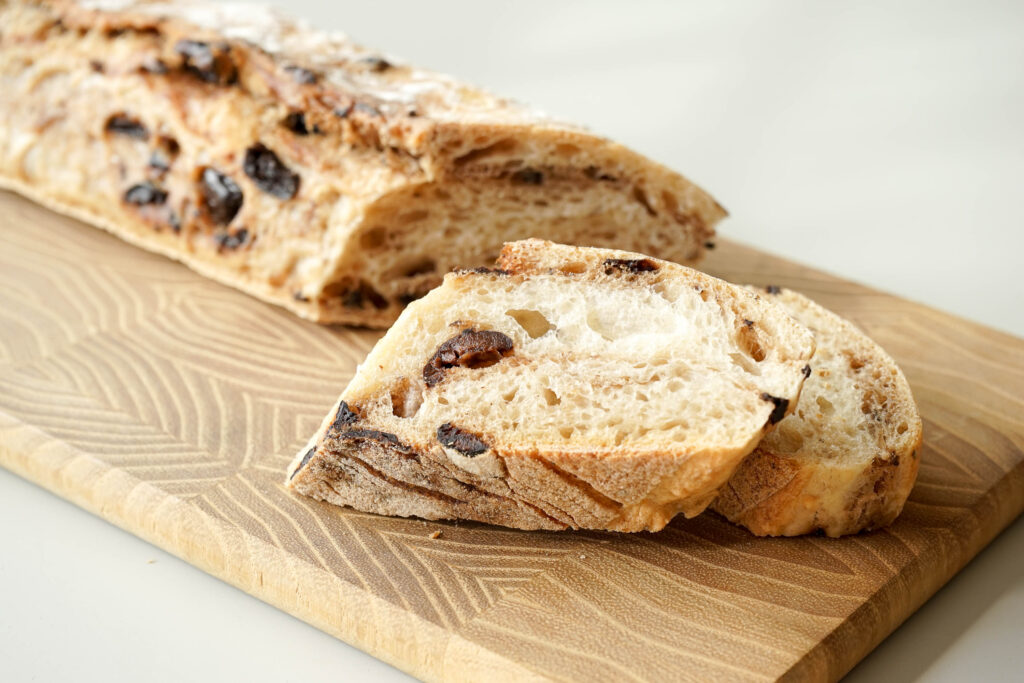
THE kneading is a crucial step in bread making. This technique helps develop the gluten network in the flour, essential for retaining the carbon dioxide produced by the yeast, which directly contributes to the volume and texture of the bread. Effective kneading ensures the elasticity and extensibility of the dough, determining factors for the final quality of the product.
There are two main methods of kneading: manual kneading and the mechanical kneading. The first, although longer and more physical, allows more detailed control of the texture of the dough. Mechanical kneading, often carried out using a kneading robot, is more uniform and less demanding in terms of physical effort.
Optimization of the Kneading Process
To maximize bread volume, controlling the duration and intensity of kneading is essential. Insufficiently kneaded dough will not develop a sufficient gluten network, resulting in a dense, heavy loaf. Conversely, kneading too intensively can break down the gluten, resulting in sticky dough that is difficult to shape.
Temperature also plays a crucial role. Kneading the dough at too low a temperature can slow down yeast activity and therefore fermentation, while temperatures that are too high can accelerate this process to the point of compromising the structure of the bread. The ideal is to keep the dough at a temperature of around 24°C to 26°C.
Specific Kneading Techniques
THE French kneading or “Bertinet methods,” popular for high-hydration doughs, involves a series of forceful movements that aerate the dough and quickly strengthen the gluten. This method improves the honeycombing and, consequently, the volume of the bread.
There autolysis method, invented by the French baker Raymond Calvel, consists of a resting time for the dough after assembling the ingredients but before complete kneading. This allows the enzymes in the flour to begin working on hydrating the gluten while reducing the kneading time required, thereby optimizing the final volume and texture of the bread.
FAQs
What is the ideal kneading time for traditional bread?
Kneading time generally varies between 10 and 20 minutes, depending on the kneading method used and the specific characteristics of the flour.
How do you know if the dough is kneaded enough?
The veil or window test is a common method: slowly stretch a small piece of dough between your fingers – if you can form a thin, translucent membrane without it tearing, the dough is usually ready.
Can hand kneading be as effective as mechanical kneading?
Yes, with the right techniques and a little more time, kneading by hand can achieve results just as satisfying as using a machine, sometimes even offering more precise control over the development of the dough.
Articles sur le même Sujet

Mastering Fermentation and Sourdough
Understanding Fermentation in the Bakery
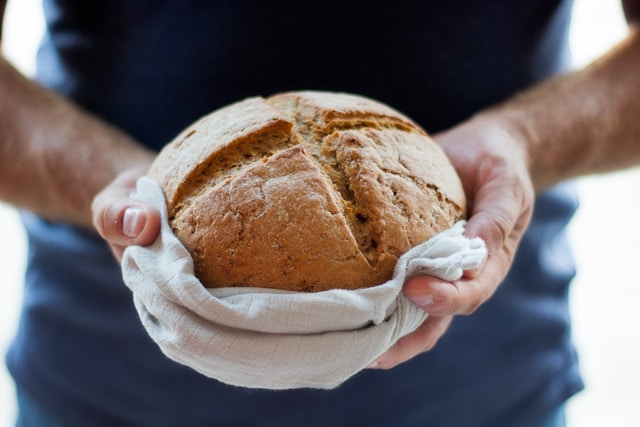
Fermentation is an essential biological process in the manufacture of bread. It involves the conversion of sugars into carbon dioxide and alcohol by the yeasts and bacteria present in the leaven. Mastering this process directly influences the texture, volume and aromas of the final product.
The type of leaven used, whether liquid or solid, determines the speed and quality of fermentation. Environmental temperature and humidity also play a crucial role in *promoting* or *inhibiting* the activity of fermenting microorganisms.
The Key Roles of Natural Sourdough
Natural sourdough, a symbiotic culture of yeast and lactic acid bacteria, is preferred for making breads with better preservation and improved nutritional qualities. It not only contributes to the rising of the bread but also to the development of a crispier crust and a more honeycombed crumb.
Compared to commercial yeast, sourdough requires a longer fermentation time to develop complex aromas and an optimal pH which improves the digestibility bread.
Optimization of Fermentation Techniques
To optimize fermentation, it is crucial to control the flour/water ratio, fermentation temperature, and rest time. These factors can be adjusted to modify the gluten structure, crumb texture, and flavor profile of the bread.
- Hydration: Adequate dough hydration promotes efficient fermentation and good gluten extensibility.
- Temperature: A temperature between 24°C and 28°C is ideal for optimal fermentation activity.
- Duration: Extending the fermentation time increases the complexity of the flavors and the lightness of the crumb.
Popular Questions & Answers
What is the difference between baking powder and natural sourdough?
Chemical yeast is an instant leavening agent while natural sourdough requires prolonged development and maturation, thus promoting bread with better texture and more developed aromas.
How do you know if sourdough is ready to use in dough?
The leaven should double or triple in volume and have bubbles on the surface. A “float test”, where a small amount of sourdough is allowed to float in water, can also indicate its maturity.
Is it possible to slow down fermentation to develop more flavors?
Yes, it is possible to slow down the fermentation process by refrigerating the dough. This technique, known as delayed fermentation, helps accentuate the depth of flavors and improve the texture of the bread.
Articles sur le même Sujet
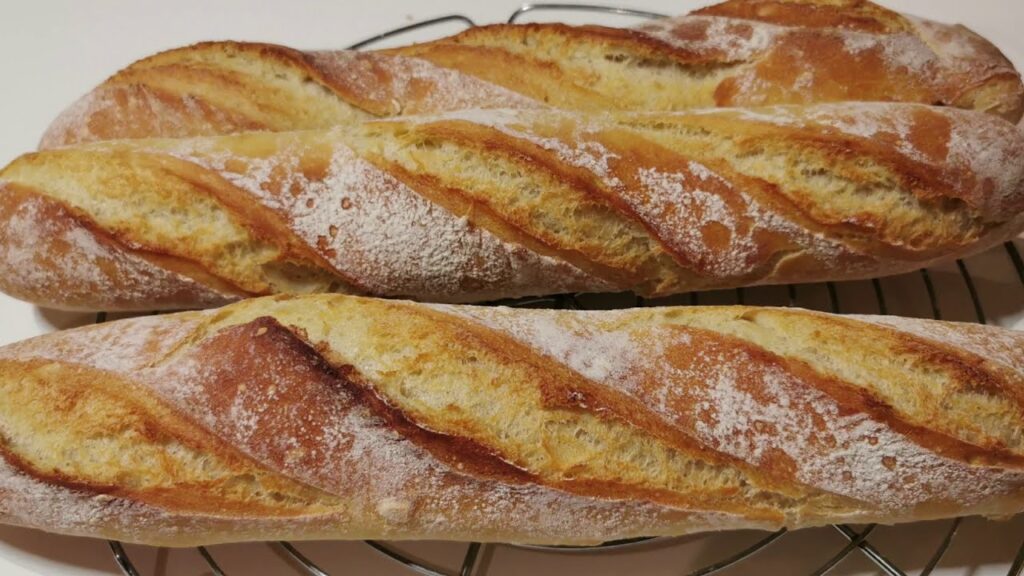
Perfect Cooking: Key Temperature and Duration
Factors Determining Cooking Temperature and Duration
Baking bread is a crucial step that requires precision and adaptability. Several factors directly influence the temperature and the duration including the type of bread, size and weight of the dough, and the type of oven used. Understanding the impact of each of these elements is essential to mastering the art of baking.
The type of bread, whether it is a baguette, wholemeal bread or a rustic loaf, each requires specific settings. For example, a traditional baguette generally requires a higher temperature than that required for dense rye bread.
Optimizing Temperature for Different Types of Bread
There temperature cooking temperature generally varies between 220°C and 250°C, depending on the type of bread. For thick crust breads like loaves, a higher initial temperature is often recommended to develop a nice golden crust, followed by a decrease to allow even cooking throughout.
When it comes to whole grain breads or breads enriched with fruit, a moderate temperature promotes gentle cooking that preserves flavors and nutrients.
Calculation of the Ideal Cooking Duration
There cooking time depends closely on the size and weight of the bread. A small loaf or baguette might bake in 20 to 25 minutes, while a large loaf may need up to 45 minutes. Using a bread thermometer, aiming for an internal temperature of 90-95°C, is an accurate method for judging adequate doneness.
It is also relevant to note that the presence of steam during the first few minutes of baking helps develop a crispy crust and preserve the expansion of the bread through the process known as “steaming.”
Adaptation to Different Ovens and Environments
Each oven has its own characteristics, it will sometimes be necessary to adjust the cooking parameters. Convection ovens, for example, can bake bread more evenly and often a little faster due to the continuous circulation of hot air. Recognizing the specifics of each oven is crucial to consistently successful bread baking.
The surrounding humidity in a bakery can also influence the process, requiring minor adjustments in temperature or time to achieve optimal results.
FAQs
What is the ideal temperature for baking white bread?
For a baguette of white bread, the recommended temperature ranges between 230°C to 250°C, depending on whether the oven is domestic or professional.
How long does it take to bake a 500g loaf?
A 500 gram loaf generally requires between 30 and 35 minutes of cooking at a temperature around 220°C.
Is it necessary to add steam when baking breads?
Yes, adding steam during the first minutes of cooking contributes to the formation of a crispy crust and improves the volume and texture of the bread.
Tips for Keeping Bread Fresh
Proper storage of bread
The choice of storage location is essential to maintain the freshness of the bread. An effective method is to store bread in a cool, dry place, away from direct sunlight and heat sources. THE wooden bread boxes or metal with light air circulation help maintain an optimal environment, reducing the risk of mold development while preserving the crispy crust.
It is advisable toavoid plastic bags which retain moisture and accelerate the deterioration of bread. Cloth or paper bags are preferable, as they allow for better breathability.
Conservation techniques
The bread can be stored at room temperature for a few days. For longer term storage, freezing is a great option. Slice the bread before freezing to make it easier to defrosting portion by portion. Use airtight freezer bags to prevent freezer burn and preserve bread quality. Defrosting should be done at room temperature or in the oven to restore the bread to its original texture.
Handling and slicing
How bread is sliced and handled can also influence its shelf life. Using a sharp knife allows you to slice cleanly without crushing the crumb, which can otherwise speed up the staling process. It’s a good idea to slice only as much bread as needed and keep the rest in one piece to minimize exposure to air.
Optimization of stale bread
Bread that begins to go stale is not necessarily lost. It can be transformed into croutons, used for breadings, or even to prepare dishes like bread pudding. These uses make it possible to add value to each piece of bread and reduce food waste.
Bread Storage FAQ
Can we store all types of bread in the same way?
No, different types of bread require different storage methods. Breads with a high fat and sugar content, such as brioches, keep better at room temperature, while drier breads, such as baguettes, are better preserved when frozen if not eaten. immediately.
Is the refrigerator a good choice for storing bread?
Usually no, because the refrigerator can dehydrate the bread and accelerate staling. Instead, choose freezing for long-term storage.
How do you know if bread is still good to eat after a period of storage?
Inspect the bread for mold and see if it has an unusual odor. If the bread is simply stale but without mold, it can still be used for recipes calling for dry bread.