Why choose a banneton for your homemade bread?
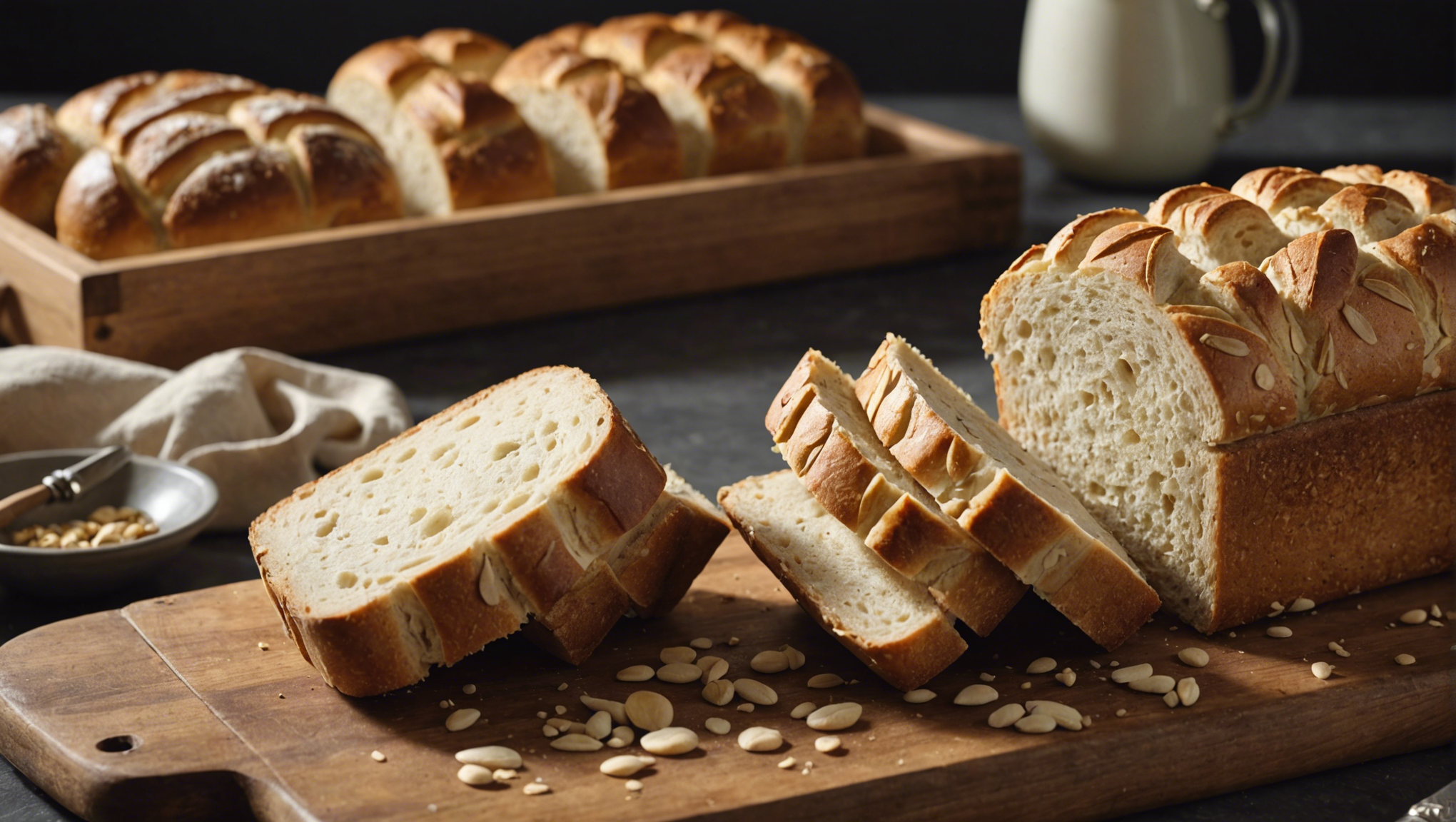

In the art of artisanal baking, the choice of tools is essential to guarantee the quality and aesthetics of the bread. Banneton, with its ability to promote rising and print delicate patterns on the crust, is an essential ally. This article explores the essential reasons to choose a banneton for your homemade bread, guiding you through the benefits in terms of texture, shape and overall quality of your breads.
Improved bread texture and shape
The Essential Functions of the Banneton
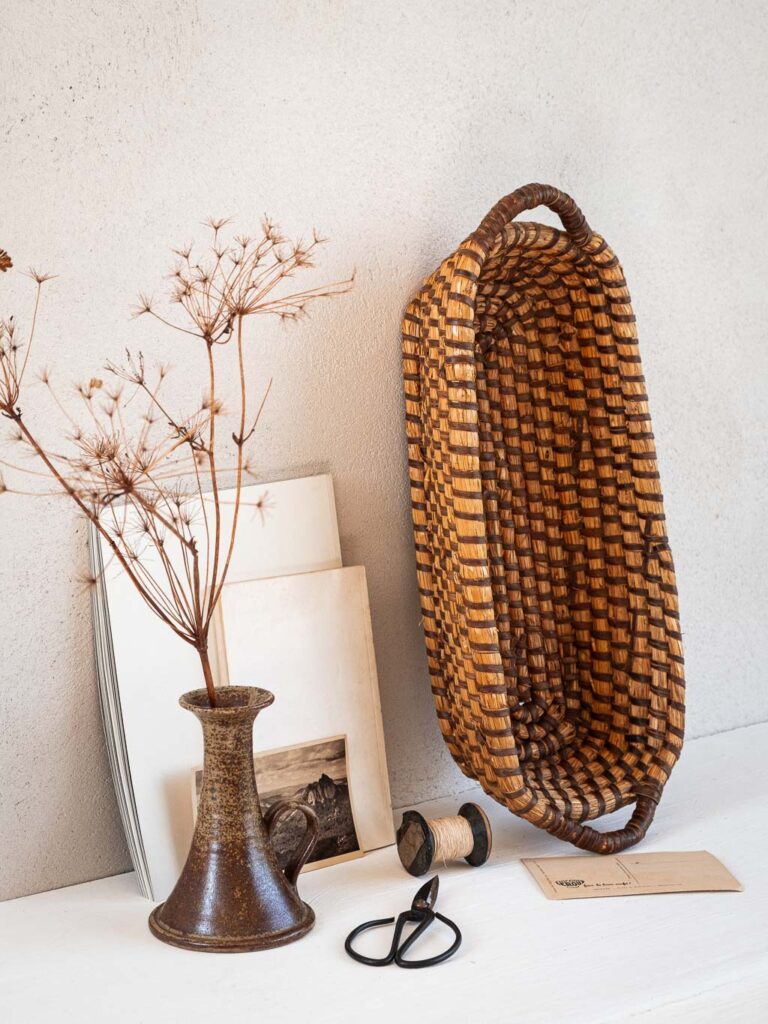
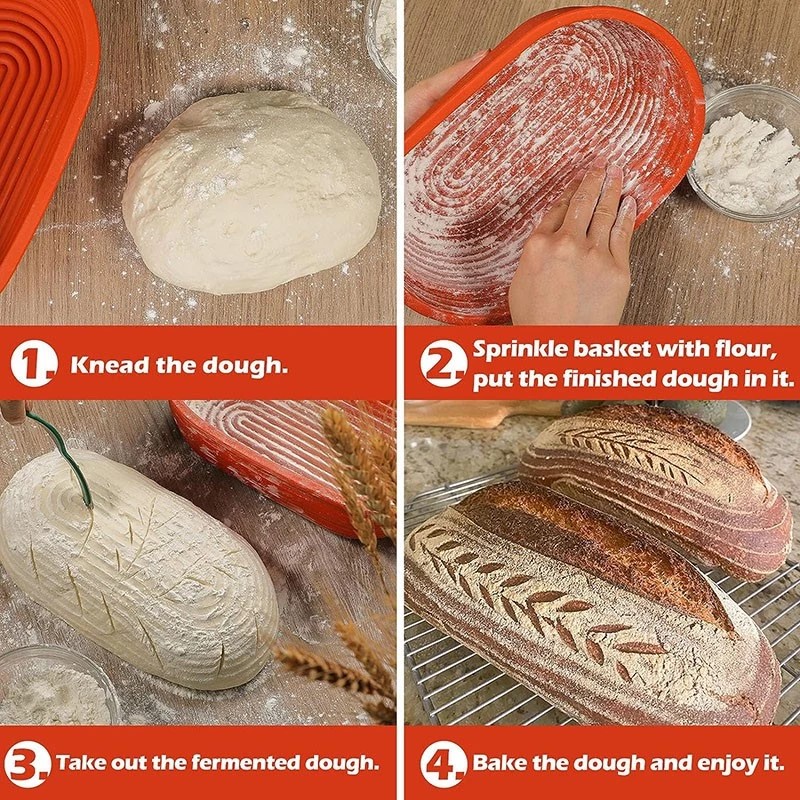
THE banneton is an essential accessory in the manufacturing process of homemade bread. Usually made of wicker or synthetic materials such as plastic, it serves as a mold in which the dough rises before baking. The main benefit of using a banneton is that it provides a support structure that helps maintain the shape of the bread, whilst absorbing excess moisture from the dough, which is crucial for forming a perfect crust .
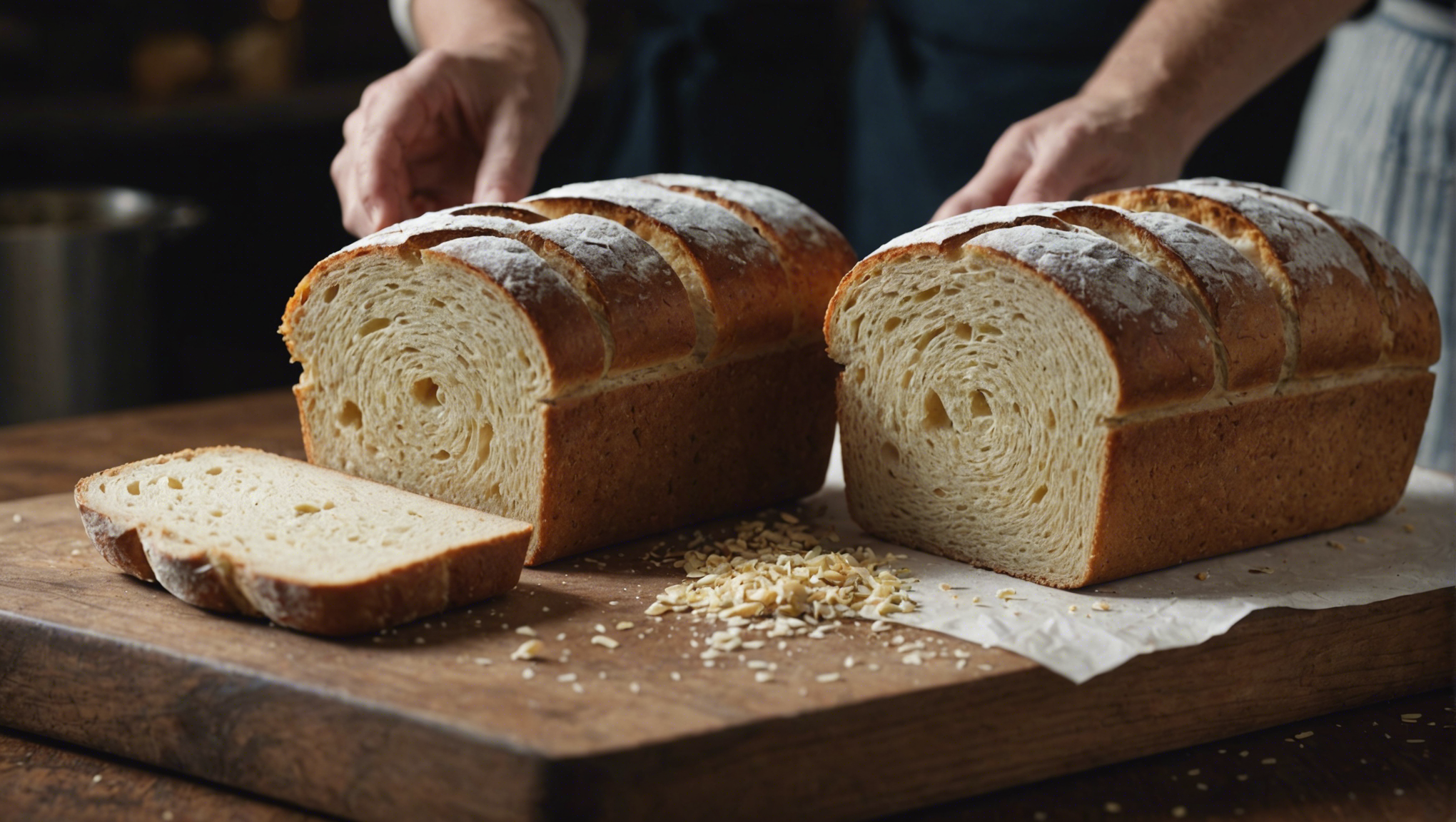
In addition to this technical aspect, the banneton also gives traditional patterns on the surface of the bread, thus adding an undeniable aesthetic dimension. These prints are not only pleasing to the eye but they mark the authenticity of a bread made in accordance with traditional methods of bakery.
Choice and Maintenance of Bannetons
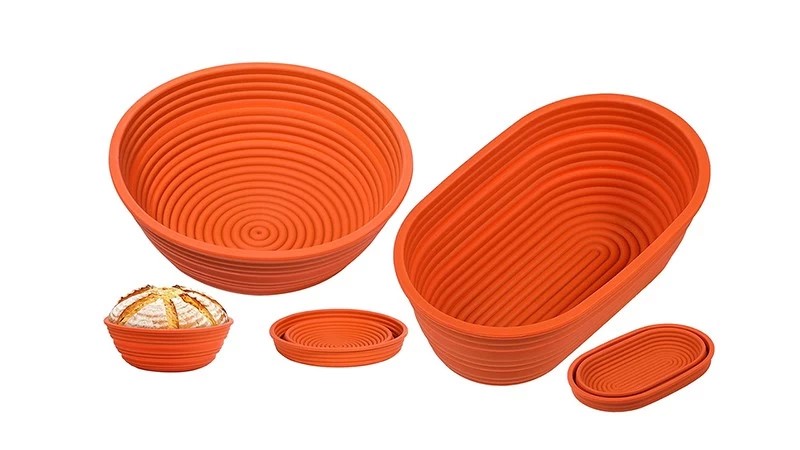
There are several criteria to consider when choosing a banneton. The size and shape should match the type of bread you want to make. Round bannetons are suitable for breads like boule, while oval versions are preferred for elongated breads like bastard. The maintenance of bannetons is also crucial to guarantee the quality of the bread and the longevity of the mold.
To clean a banneton, it is recommended to gently brush it after each use to remove any remaining flour and dough, and let it air dry. Regularly exposing the banneton to sunlight can also help prevent mold from forming.
Innovations and Alternative Techniques
The professionals of the bakery constantly seek to innovate and improve their techniques. Recently, the use of bannetons made from alternative materials such as food grade plastic has gained popularity. These bannetons are appreciated for their ease of cleaning and their durability. In addition, they can be used in more humid environments without risk of deformation or deterioration, thus providing greater consistency in the production of homemade bread.
Using these new types of bannetons also allows for experimenting with different crust textures and bread shapes that can be difficult to achieve with traditional wicker bannetons.
FAQs on Using Bannetons
How to properly flour a banneton?
Before placing the dough in the banneton, it is crucial to flour it generously to prevent the dough from sticking. Using a combination of rice flour and wheat flour can provide the best results.
Is it possible to let the dough rise in a banneton in the refrigerator?
Yes, it is entirely possible to proof the dough in a banneton in the refrigerator. This process, called cold fermentation, helps develop more complex flavors and better texture of the bread.
How long does a banneton last?
With proper care, a banneton can last for several years. However, it is important to replace it if it begins to show signs of deterioration or if it becomes difficult to clean properly.
Articles sur le même Sujet

Promote better fermentation
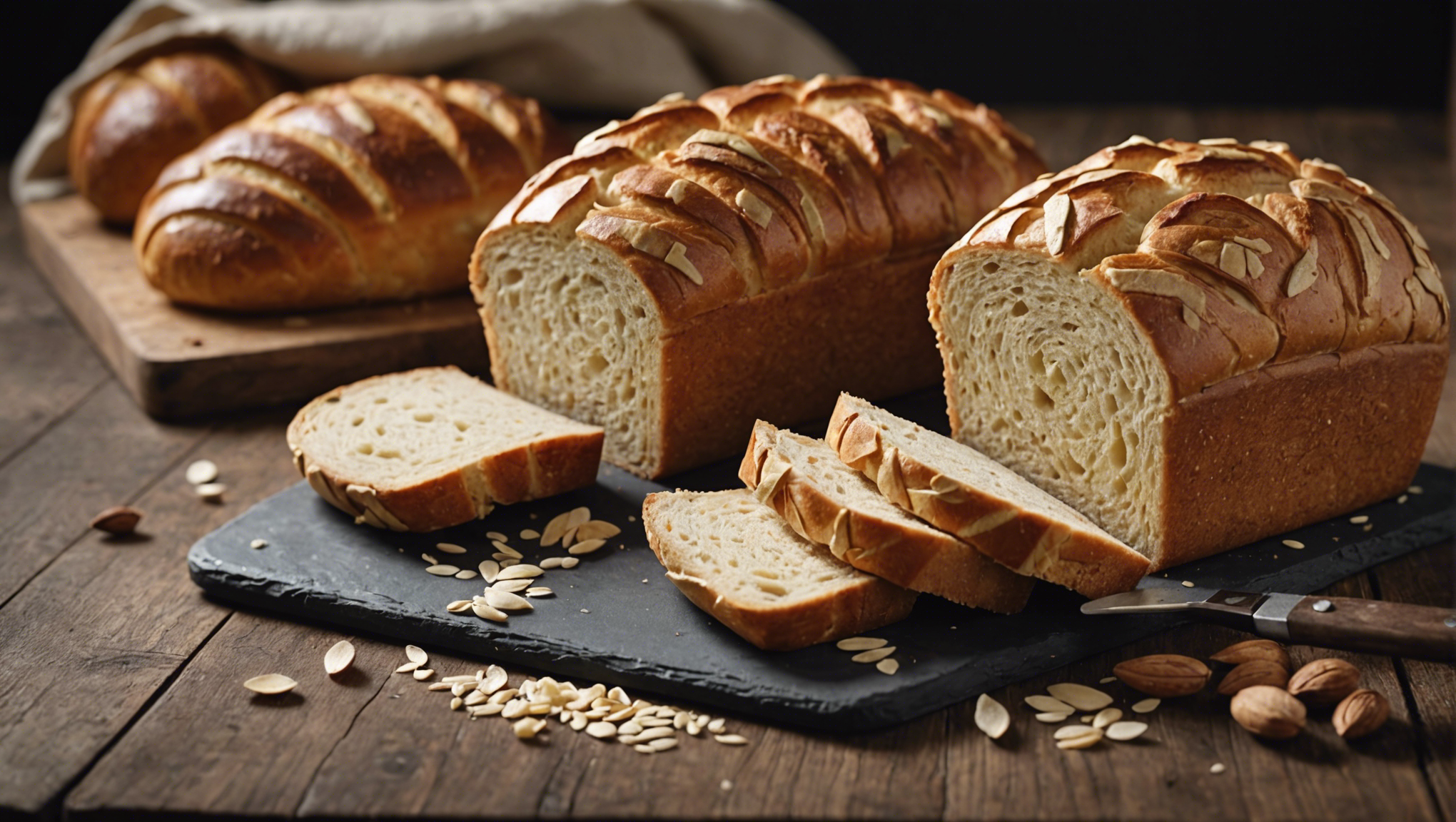
THE banneton is an essential accessory in the bakery traditional. It is used for fermentation and shaping of the homemade bread, allowing the dough to maintain its structure and develop an ideally crispy crust. But how can a simple basket influence the quality of bread so significantly?
Role of Banneton in Dough Fermentation
Using a banneton during the fermentation process plays a crucial role in providing an airy structure and allowing the dough to breathe. The natural material, often wicker or rattan, absorbs excess moisture while keeping the dough at a stable temperature. This encourages the action of yeast and fermentation, essential for the development of taste and texture of the homemade bread.
The shape of the banneton, usually round or oblong, also helps give a uniform shape to the dough, which is difficult to achieve otherwise in a home environment. This structural support prevents the dough pieces from sagging, thus promoting optimal rising.
Choosing the Right Banneton for Your Bread
Selecting the right banneton must take several factors into account. First, the materiality: rattan bannetons are popular for their durability and ability to regulate humidity. There are also food-safe plastic options, recommended for their ease of cleaning and disinfection.
The size of the banneton should match the amount of dough used. A banneton that is too large or too small can negatively affect the shape and baking of the bread. Generally, a 1 to 1.5 liter banneton is ideal for a standard loaf of bread.
Finally, regular maintenance is essential to preserve the quality of the banneton and guarantee health safety. Properly cleaning and drying the banneton after each use prevents mold growth and ensures a long life for the tool.
The Impact of Banneton on Bread Quality
The use of a banneton during fermentation is not limited to a practical aspect, it also directly influences the quality of the homemade bread. The airy texture favored by good fermentation in a banneton contributes to a lighter and more honeycombed crumb. In addition, humidity regulation allows you to obtain a perfectly golden and crispy crust, characteristic traits of a successful bread.
A good banneton, well maintained, can become an essential asset for any baker professional or amateur passionate about baking home made. This tool, combining tradition and technique, is essential for mastering the art of artisanal bread.
FAQs
1. How to properly maintain your banneton to prolong its durability?
After each use, it is recommended to remove flour residue using a soft brush. The banneton should not be washed with plenty of water but can be cleaned superficially and dried completely before use again. Every few months, expose the banneton to the sun to prevent mold.
2. Can we use a banneton for all types of bread?
Yes, bannetons can be used for a wide variety of breads, whether made with wheat flour, rye flour or special blends. However, the size and shape of the banneton must be adapted to the type of bread envisaged.
3. What is the difference between a wicker banneton and a plastic banneton?
Wicker is traditionally used for making bannetons because of its natural moisture absorption properties, while allowing good aeration of the dough. Plastic bannetons, on the other hand, are easier to clean and disinfect, but can sometimes alter the traditional appearance of the bread.
Articles sur le même Sujet


Choice of materials and easy maintenance
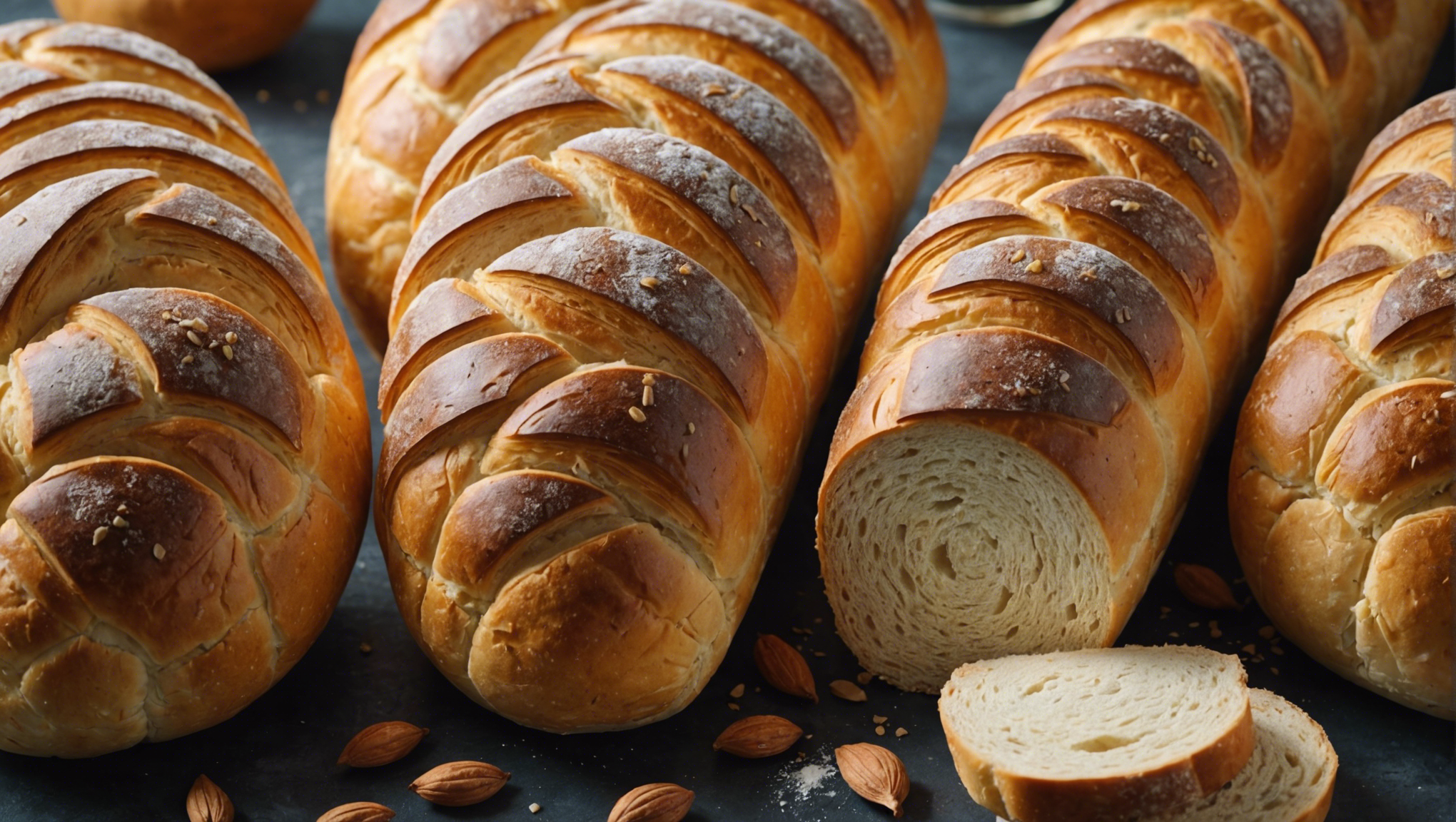
Choosing the Ideal Banneton for Your Home Bakery
THE banneton bread is an essential tool in any enthusiast’s arsenal. bakery. Its main function is to support the dough during the final rise before baking. To choose a banneton that will meet your baking needs home made, it is crucial to consider the type of dough you are using, the size of the loaf you want to create, and the material of the banneton. The two main types of bannetons are made of wicker or plastic, each having specific advantages.
Wicker bannetons are valued for their ability to absorb moisture from the dough, which is crucial for creating a beautiful crust. In addition, the patterns of the wicker weave print on the paste, offering an aesthetic traditional and attractive to the finished product. On the other hand, plastic bannetons, although they do not absorb moisture, offer superior durability and are easier to clean. They can be a practical option for those producing in large quantities or looking for a more hygienic solution.
Maintenance and Cleaning of Bannetons
Maintaining your bannetons in good condition is essential not only for quality professional of your homemade bread, but also for the longevity of these tools. After each use, it is imperative to remove all flour residue, especially from wicker bannetons, to avoid the growth of mold and the development of bad odors.
To clean a wicker banneton, use a stiff-bristled brush to remove dried residue without damaging the material. Avoid water as it can warp the wood and encourage bacteria growth. For plastic bannetons, washing in warm, soapy water is usually sufficient. Be sure to dry these bannetons thoroughly before their next use to ensure they stay in the best condition.
Besides physical cleaning, proper storage of bannetons is crucial. Store them in a dry, well-ventilated area to minimize any risk of damage. If possible, hang them rather than stack them, which can cause pressure on the shapes and alter their structure.
Banneton Use and Care FAQ
1. Can a banneton be used for all types of dough?
Bannetons can be used for most types of yeast doughs, but they are particularly effective for high hydration doughs, which benefit from the support structure that the banneton provides during proofing.
2. How often should bannetons be cleaned?
It is recommended to clean the bannetons after each use to avoid the accumulation of residue and the appearance of mold. This also ensures that the taste and quality of your homemade bread are not compromised by contaminants.
3. Can you put a banneton in the dishwasher?
Plastic bannetons can often be washed in the dishwasher, but wicker ones should never be washed this way as excessive water and heat can seriously damage them.
Articles sur le même Sujet
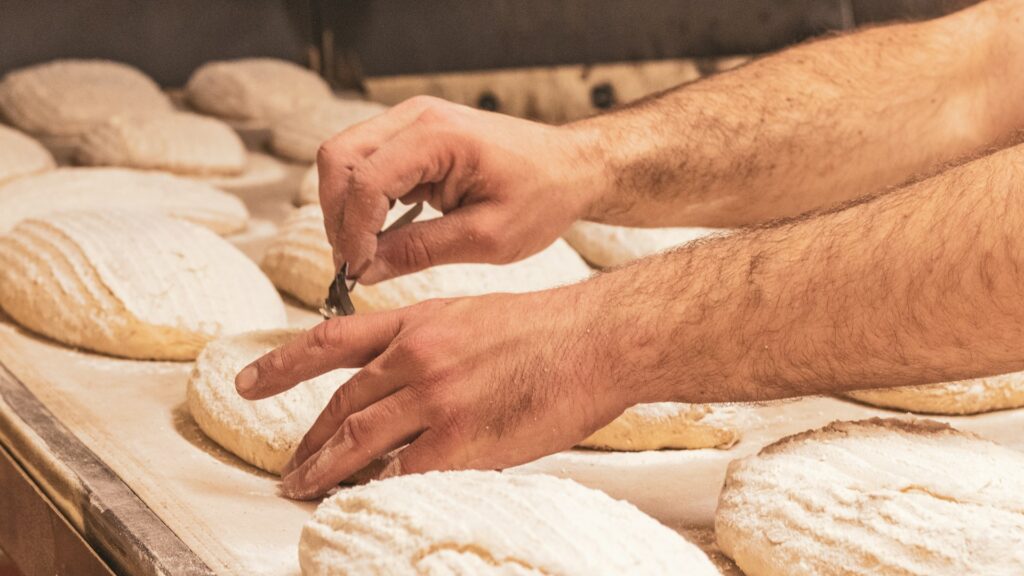

Diversity of sizes and patterns for personalized breads
The Different Types of Bannetons and Their Uses
There bakery artisanal is an art where every detail counts in the design of the homemade bread. At the heart of this process, the diversification of choices of banneton bread plays a crucial role. These bread molds, traditionally made of wicker but also available in plastic, are essential for shaping the dough and giving it time to rise. The variation in banneton sizes and patterns offers bakers professionals and amateurs the possibility of personalizing their breads, not only in terms of size, but also texture and shape.
These bannetons are available in different shapes such as round, oval and square, which allows you to create breads with various appearances. Each of these shapes influences the way the bread bakes and its final presentation. The choice of banneton size should be aligned with the volume of dough prepared, to ensure adequate fermentation and rising.
Choosing the Right Material for your Bannetons
When we talk about banneton bread, the material is another point to consider. Wicker is the traditional material, valued for its ability to absorb moisture, which promotes a good crust. Wicker bannetons are also very durable and help give an attractive impression to the crust of the bread. So, they are perfect for those looking to make homemade bread with a rustic touch and traditionalTHE.
Alternatively, plastic bannetons are a newer option. They are appreciated for their ease of cleaning and durability, in addition to offering a wide variety of designs allowing you to further customize the texture of the crust. These bannetons are often sought after by those experimenting with new styles of bread and looking to master different aspects of modern baking.
Impact of Patterns in Bannetons
The patterns presented by different banneton models are not only aesthetic. They also have a direct influence on the texture and appearance of the bread. A more complex pattern can create detailed designs on the crust of the bread, adding not only an appealing visual appearance but also a varied texture in the mouth. These patterns contribute to the signature of a baker and allow everyone to mark their own originality in their creations home made.
It is important to select bannetons with patterns adapted to the recipes and types of bread you want to make. Each pattern can actually interact differently with the type of dough and the fermentation method used. For breads requiring high hydration, for example, a banneton with a less dense pattern will be preferable to prevent the dough from sticking.
FAQs
What are the main differences between wicker and plastic bannetons?
Wicker bannetons are traditionally used for their ability to absorb moisture, which helps the crust become crisp. They also offer a more traditional look. Plastic bannetons, on the other hand, are easier to clean and offer a variety of designs to customize the texture of the bread crust.
How do I choose the ideal banneton size for my bread?
The size of the banneton should correspond to the amount of dough prepared. A general rule of thumb is that the banneton should be about 1/3 larger than the amount of dough to allow for good rising.
Why are banneton patterns important?
Patterns aren’t just for making bread beautiful; they also influence the texture of the crust, allowing the artisan to create varied and unique effects depending on the chosen pattern.