Why choose a bamboo banneton for your homemade bread?


In the ancient art of artisan baking, choosing the right equipment is crucial to achieving exceptional results. The bamboo banneton stands out as a preferred choice for lovers of homemade bread. This article will explain why opting for a bamboo banneton can transform the quality of your bread, examining its contributions to crust formation, texture improvement, as well as its environmental and health benefits. Embrace authenticity and quality with the bamboo banneton, an essential ally for any passionate baker.
Ecological benefits and sustainability of bamboo
The Environmental Benefits of Bamboo Bannetons
Bamboo bannetons are becoming increasingly popular in the baking industry. bakery for their durable nature. Bamboo grows quickly, making it a fast-growing renewable resource. This reduces the ecological impact and promotes more production. ecological compared to plastics or hardwoods requiring decades to reach maturity.
Additionally, bamboo has the ability to regenerate itself without requiring replanting, further minimizing the ecological footprint. This unique characteristic contributes to the preservation of forests and the reduction of deforestation, thus aligning the use of bamboo bannetons with the principles of sustainable development.
Performance and Durability over Time
Bamboo bannetons are not only environmentally friendly, they are also very durable. Their natural resistance to humidity and pests makes them perfect for regular use in bakery. Compared to other materials, bamboo is more resistant to cracking and mold, vital for the fermentation process of homemade bread.
It is important to note that these bannetons require little maintenance. A simple cleaning after each use is sufficient to maintain their optimal condition. As a result, they offer a head start in terms of practicality for bakeries and baking enthusiasts. homemade bread.
Impact on Finished Product Quality
The use of bamboo bannetons positively influences the quality of the homemade bread. Bamboo helps absorb excess moisture from the dough, which is crucial for a crispy crust and airy crumb. As a result, breads made in these bannetons tend to have improved texture and flavor, fundamental aspects for any product. home made quality professional.
Furthermore, bamboo adds a traditional aesthetic touch to breads. This added value attracts many bakery enthusiasts and professionals looking for authenticity and distinction in their creations.
FAQ about Bamboo Bannetons
Q1: Are bamboo bannetons suitable for all types of bread?
A: Yes, they are versatile and suitable for a wide range of doughs, including specialty and traditional breads.
Q2: How to maintain a bamboo banneton to extend its lifespan?
A: To maintain a bamboo banneton, it is advisable to clean it with lukewarm water and a soft brush after each use. Be sure to let it dry completely before storing it.
Q3: Where can you buy quality bamboo bannetons?
A: Quality bamboo bannetons professional are available from specialist bakery utensil suppliers, both in physical stores and online.
Articles sur le même Sujet
Improving bread quality with a bamboo banneton
The Advantages of Bamboo in the Manufacturing of Bannetons
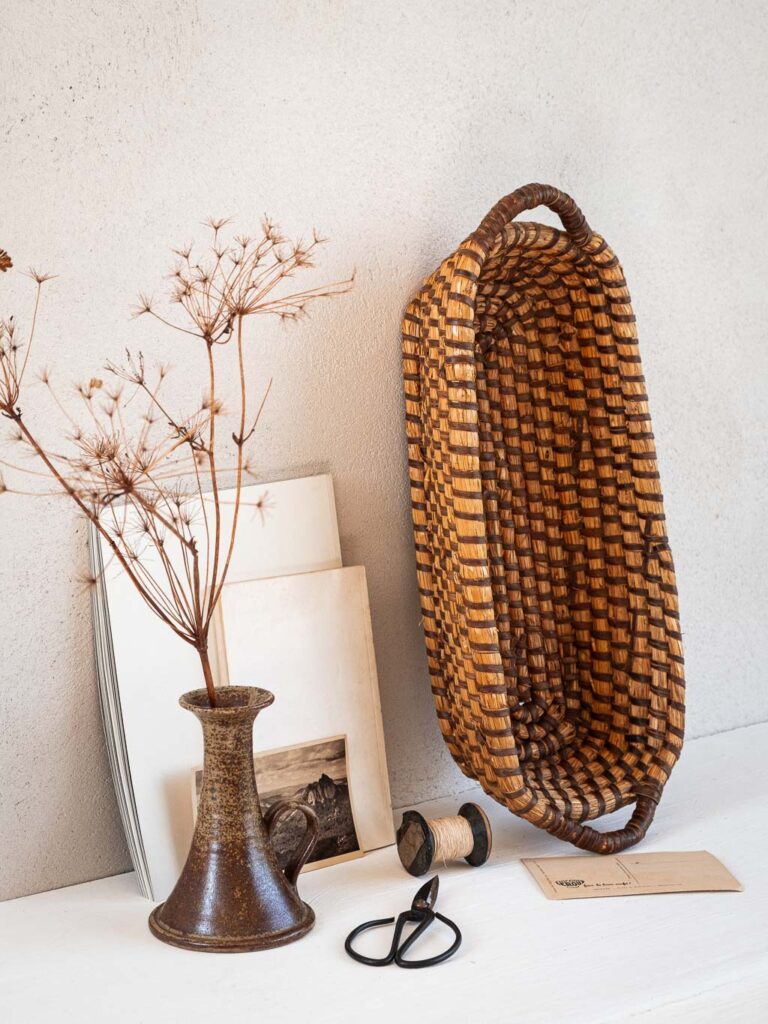
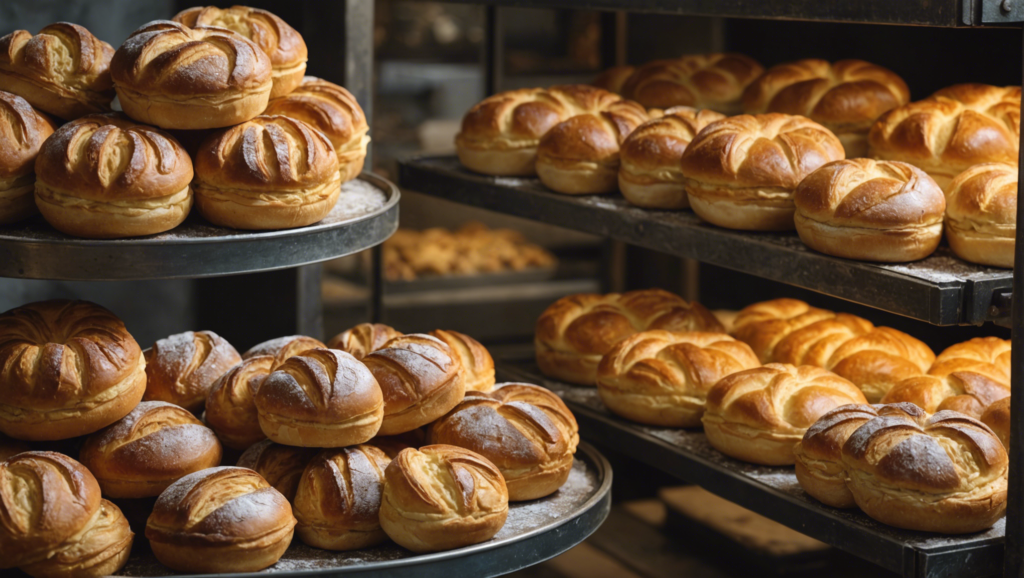
The banneton, essential in the art of bakery to shape and give volume to the homemade bread, is available in different materials. Bamboo, particularly appreciated for its sustainability and its ecological qualities, contributes significantly to improving the quality of bread. This natural material promotes good air circulation around the dough, which is crucial for the development of a crispy crust and airy crumb.
Bamboo is known for its natural antimicrobial properties, reducing the risk of dough contamination and making it easier to maintain a healthy fermentation environment. For fans of “ home made », use a bamboo banneton not only guarantees better quality bread but also supports an approach of bakery healthier and more ecological.
Techniques for Using and Maintaining Bamboo Bannetons
To get the most out of your bamboo banneton, maintenance plays a crucial role. Before the first use and after each use, it is recommended to clean the banneton with lukewarm water, avoiding chemical detergents to preserve the natural qualities of the bamboo. Letting the banneton dry completely in the open air improves its longevity and prevents mold.
Preparing the banneton before each use involves flouring it generously. This step ensures that the dough does not stick to the walls during fermentation and facilitates unmolding without disturbing the structure of the bread. Using wholemeal flours or special banneton mixes can also enrich the flavor and texture of the homemade bread.
Optimization of Bread Shape and Texture
The use of a bamboo banneton positively influences the consistency and aesthetics of the bread. The unique bamboo banneton design imprints traditional patterns on the crust of the bread, not only for an appealing visual appearance but also for enhanced texture. These patterns also help distribute heat evenly when cooking, ensuring even cooking of the bread.
Adopting a bamboo banneton is a rewarding approach for everyone professional baker concerned with quality and respect for tradition. The result is a homemade bread which stands out both for its taste and its aesthetics, thus meeting the expectations of the most demanding consumers.
The benefits in terms of texture, hygiene and environmental performance make bamboo banneton a preferential choice for food professionals. bakery and enlightened amateurs.
FAQs
1. How do I choose the right size bamboo banneton for my bread?
The size of the banneton must correspond to the expected weight of dough. A general rule is to choose a banneton that can hold a little more than the amount of dough to allow for expansion during fermentation.
2. Can bamboo bannetons be used for all types of bread?
Absolutely, bamboo bannetons are suitable for a variety of breads, whether traditional recipes or more modern creations involving specialty flours or wet ingredients.
3. How long can a bamboo banneton last with proper maintenance?
With proper maintenance, a bamboo banneton can last for several years. Avoid prolonged exposure to moisture and be sure to clean and dry it properly after each use to maximize its lifespan.
Articles sur le même Sujet


Maintenance tips for a bamboo banneton
Cleaning after use
It is crucial to properly clean your banneton bread bamboo immediately after each use to avoid the accumulation of pulp residue and mold. Start by removing excess paste using a soft-bristled brush. Avoid using water, as bamboo absorbs moisture, which can warp it and encourage mold growth.
Periodic maintenance
It is advisable to disinfect the bamboo banneton from time to time to maintain its hygiene. An effective solution is to expose it to the sun for a few hours, which helps kill bacteria and eliminate bad odors. If you must use water, make sure to air dry it completely after washing.
Proper storage
To maintain the shape and structural integrity of your banneton, store it in a dry, well-ventilated area. Humidity can be the enemy of bamboo, so avoid humid or too closed spaces. Hanging the banneton in a storage net can also promote better air circulation around it.
Prevention of odors and mold
Using a clean cloth bag to cover the banneton between uses can help prevent unwanted odors and mold growth without blocking air circulation. Make sure the bag is dry and clean before covering the banneton.
FAQs
How to prevent bamboo banneton from getting a bad smell?
Be sure to clean and dry it properly after each use. Storage in a dry, well-ventilated area is also crucial.
Can you wash a bamboo banneton under water?
It is not recommended to regularly wash the bamboo banneton under water as this can deform the bamboo and encourage the development of mold. If necessary, do this sporadically and be sure to air dry the banneton completely.
How long can you keep a bamboo banneton?
With proper maintenance, a bamboo banneton can last for several years. Regular exposure to sunlight to disinfect and avoidance of prolonged humidity are keys to extending its lifespan.
Articles sur le même Sujet
Comparison between bamboo bannetons and other materials
The advantages of bamboo bannetons
In the field of bakery professional, the choice of banneton is crucial. Bamboo bannetons are widely popular for several reasons. Firstly, bamboo is a light, resistant and above all ecological material. Indeed, it grows quickly and does not require chemicals for its cultivation, which makes it sustainable. In addition, its natural anti-microbial properties help to keep the surface of the banneton healthy, thus reducing the risk of contamination of the homemade bread.
Another major advantage of bamboo bannetons is their ability to absorb moisture. This is essential during the final stage of rising the dough, allowing the bread to maintain a very crispy crust and not to stick to the banneton. This characteristic makes bamboo bannetons an ideal tool for all those who aspire to perfection in the home made.
Comparison with wicker and plastic bannetons
Comparison with other materials such as wicker and plastic shows several differences. Wicker bannetons, very popular in the traditional bakery, also offer good moisture absorption and provide bread a particular aesthetic with spiral patterns. However, they can be more difficult to clean due to their braided structure and often require careful maintenance to prevent mold.
Plastic bannetons, on the other hand, stand out for their ease of cleaning and durability. They are often used in professional environments for these reasons. However, they do not contribute to the moisture absorption of the dough, which can sometimes lead to baking or crust texture issues. Additionally, for those who favor natural materials, plastic may not be the first choice.
Choose the right equipment according to your needs
The choice of material for your banneton should be based on your specific needs. If eco-friendliness and contributing to a crispy crust are priorities, a bamboo banneton could be the perfect choice. For those looking for easier maintenance and increased longevity, a plastic model would probably be more suitable. Finally, for a more traditional appearance and decorative patterns, wicker remains the preferred choice.
The use of these different types of bannetons may vary depending on the style of homemade bread and working conditions. It is therefore essential to consider the environment of bakery, frequency of use, as well as your personal preferences to make an informed choice.