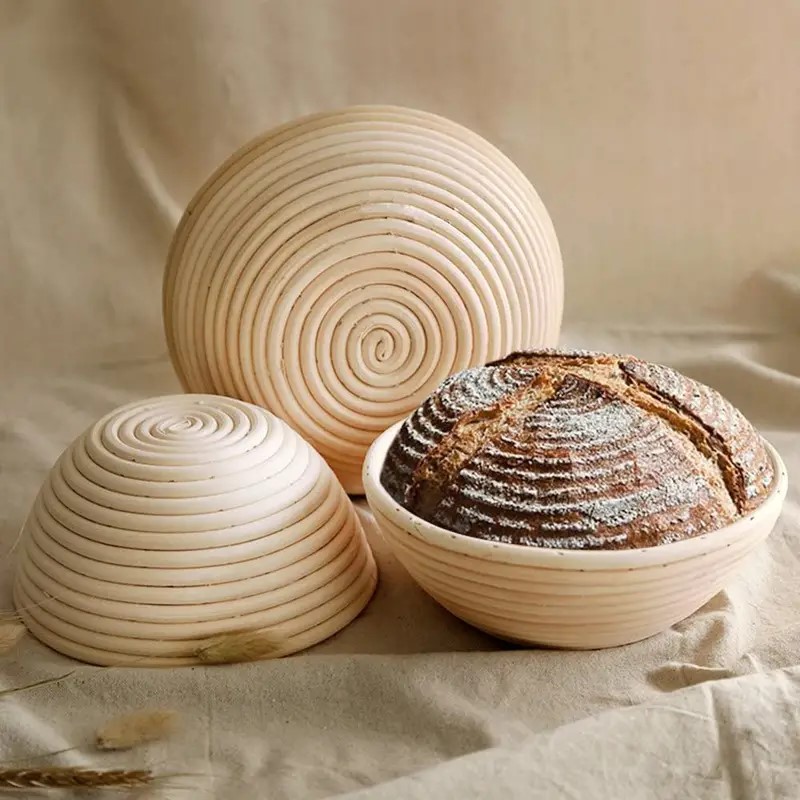
The banneton: an essential accessory for new trends in baking?


In the world of artisanal baking, the use of banneton is proving to be more than a trend: it is a revolution. This accessory, essential for shaping and giving perfect structure to breads, is part of the constant quest for excellence of passionate bakers. Let’s discover together how the banneton becomes a pillar of modern baking methods, influencing textures and flavors to achieve unrivaled quality.
The use of banneton in modern baking techniques
The role of the banneton in the fermentation of bread
THE banneton is an essential tool for professional bakers and enlightened amateurs alike. Used during the fermentation phase, banneton helps maintain the shape of the bread while promoting a crisp crust and an airy crumb. The key is the banneton’s ability to absorb excess moisture from the dough, which is crucial to preventing the dough from becoming too sticky while it rests.
Traditional materials used for making bannetons include rattan or straw, which provide excellent aeration to the dough by allowing air to circulate freely. This process prevents the dough from sagging and helps form a sturdy, attractive crust.
Optimization of breadmaking techniques with banneton
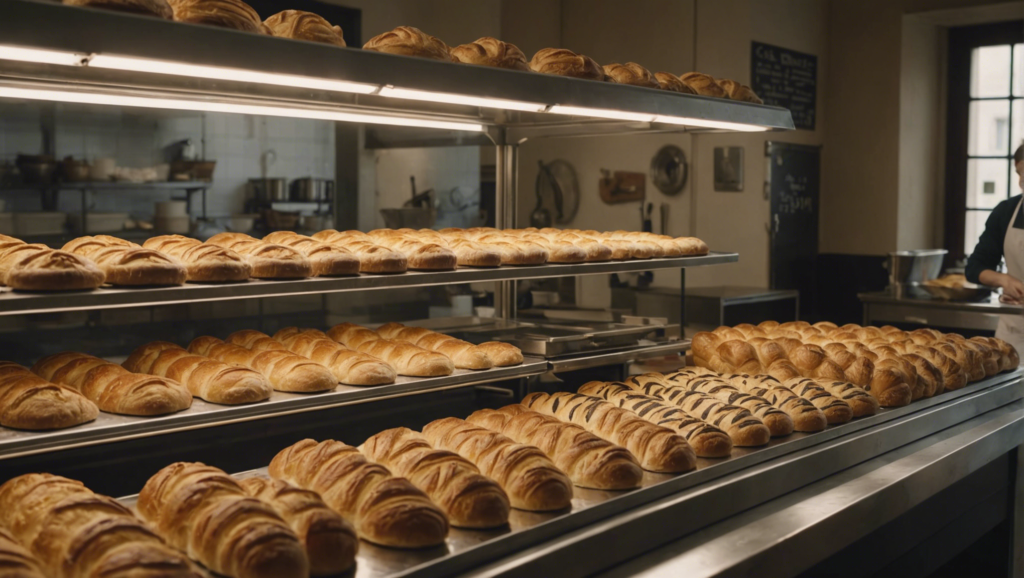
In the modern techniques bakery, the integration of banneton into the baking process presents significant advantages. The use of banneton is not just a matter of tradition; it is also a technical solution to perfect the texture and aesthetics of the bread. By shaping the dough and regulating its humidity, the banneton allows you to obtain consistent results, which is a considerable advantage for bakers seeking to maintain the superior quality of their products.
The floured imprint that the banneton leaves on the finished bread also adds a distinctive visual element that can be very appealing to customers. The characteristic spirals or woven patterns printed on the crust make each loaf unique and reveal artisanal know-how.
Tips and tricks for optimal use of banneton
To maximize the benefits of banneton, some tips can be implemented. For example, it is recommended to flour the banneton well before each use to prevent the dough from sticking. Rice flour is often favored by professionals for its effectiveness in creating a non-stick barrier without altering the taste of the bread.
It is also essential to keep the banneton in an impeccable state of cleanliness. After each use, remove dough and flour residue and allow to dry completely in the open air. This prevents mold from forming and extends the life of the banneton.
FAQs
How long does a banneton last?
The lifespan of a banneton can vary depending on the frequency of use and the care taken. With proper care, a banneton can last for several years.
Can you use a banneton for all types of pasta?
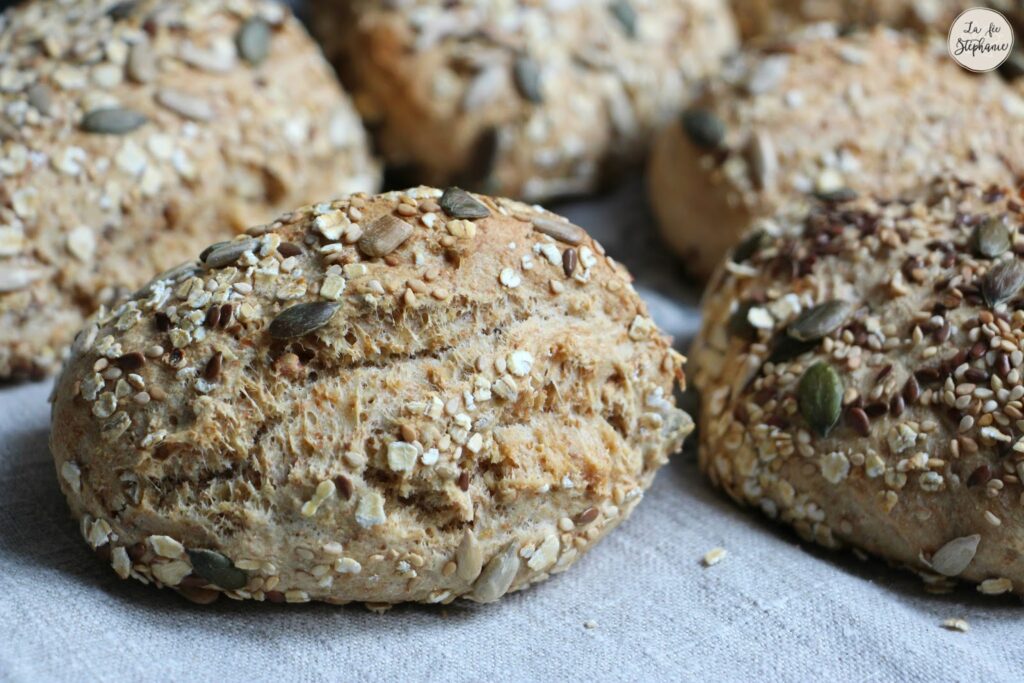
Although the banneton is ideal for traditional bread doughs, it can also be used for other types of doughs, such as those for special nut or fruit breads, as long as you adjust the fermentation time and ensure adequate flouring.
How to choose the right size banneton for your bread?
The size of the banneton must correspond to the weight of dough intended for the bread. A general rule of thumb is to choose a banneton that can hold about one and a half times the weight of the dough to be fermented.
Articles sur le même Sujet


The impact of banneton on the quality and texture of bread
The role of banneton in artisanal bread making
The banneton, often made of wicker or rattan, plays a crucial role in the preparation of artisanal bread. Its use promotes adequate and uniform fermentation, essential for the production of quality bread. Before we get into the technical details, let us first understand what a banneton and why it is essential in the bakery professional.
A banneton serves as a mold in which the dough can rest and rise before baking. This process is vital because it helps form the structure and texture of the crumb. Banneton’s natural contours and breathable materials allow the dough to retain necessary moisture while allowing excess to evaporate. This helps develop a crispier crust and a well-aerated crumb.
Techniques for using banneton to maximize benefits
Proper use of a banneton is a skill that every baker must master to maximize bread quality. here are some tips And techniques to effectively use a banneton:
- Before the first use, it is advisable to prepare the banneton by brushing it lightly with flour to prevent the dough from sticking.
- To maintain the integrity of the bread, it is important to ensure that the dough does not exceed the recommended resting time in the banneton.
- Unmolding must be done carefully to preserve the shape and structure of the freshly leavened bread.
By following these practices, bakers can ensure that each loaf has consistent texture and quality.
The direct impact of banneton on the texture of bread
Using a banneton has a significant impact on the texture of the bread. The design of the banneton allows air to circulate around the dough, which is crucial for proper fermentation. Proper fermentation directly influences the texture of the crumb, making it airy and light. The spiral patterns often imprinted on the bread by the banneton not only add to the aesthetics but also contribute to the even distribution of heat during baking, resulting in an evenly crisp crust.
Considerations for Choosing the Right Banneton
Choosing the right banneton is essential to achieving the desired results in baking. Factors to consider include the size, material and shape of the banneton. For more traditional breads, a round banneton may be preferable, while for baguettes or elongated loaves, an oblong banneton would be more appropriate. The most common materials are rattan or wicker, but there are also perforated plastic options that may be suitable for specific production environments.
The investment in quality bannetons may seem modest, but the impact on the final quality of the bread is considerable. Ensuring banneton is well maintained is also crucial for its longevity and food safety.
FAQ on using banneton in baking
What is the ideal frequency of replacing bannetons?
In general, a well-maintained banneton can last several years. It is advisable to replace the banneton if you notice any signs of wear or deterioration that could affect the quality of the bread.
Can you wash a banneton?
It is not recommended to wash wicker or rattan bannetons with lots of water. To clean them, you usually just need to dust them and let them air dry. Plastic bannetons, on the other hand, can be washed with water.
How can you prevent the dough from sticking to the banneton?
Regular use of flour for dusting the banneton is crucial. For particularly sticky doughs, using a rice flour mixture may be a more effective solution to prevent the dough from sticking.
Articles sur le même Sujet
Choosing the right banneton: Materials and advice
Importance of Materials in Choosing a Banneton
When selecting a banneton for the manufacture of bread, the choice of material is crucial. The most common materials are rattan, wood and synthetic fibers. Each type has specific properties that influence the fermentation process and the final texture of the bread.
Rattan is valued for its ability to absorb moisture, which is essential when bread is first rising. This characteristic helps create a very crispy crust and a well-aerated crumb. Wooden bannetons, on the other hand, are durable and add an aesthetic touch traditional to the bakery environment. Finally, bannetons made of synthetic fibers are recommended for their ease of cleaning and their durability.
Tips for Using and Maintaining your Banneton
Proper use and maintenance of the banneton is essential to maximize its lifespan and the quality of the bread produced. Before the first use, it is recommended to generously flour the banneton to prevent the dough from sticking. After each use, remove any remaining dough and flour and allow the banneton to air dry.
It is also advisable not to wash rattan or wooden bannetons with water, as this can deform them and make them less effective. Instead, regular gentle brushing is enough to maintain their condition. For those made of synthetic fibers, occasional washing with lukewarm water and a little soap is acceptable.
Choosing the Banneton Suited to Your Needs
Selecting the ideal banneton also depends on your specific needs. Take into account the size of the bread you want to make, as bannetons come in several sizes. If you plan to make larger or larger quantities of bread, opt for a larger banneton or several smaller bannetons.
Additionally, consider the shape of the bread you desire. Bannetons are available in round, oval and even square formats, allowing you to vary presentations depending on the occasion.
Bannetons FAQ
How long does a banneton last?
The lifespan of a banneton depends on its material and its maintenance. A rattan banneton can last for several years if properly maintained, while those made from synthetic materials can have an even longer lifespan.
Can we use the same banneton for different types of pasta?
Yes, it is possible to use the same banneton for different types of dough, but it is important to ensure that the banneton is thoroughly cleaned between uses to avoid cross-contamination.
How do you know if a banneton is professional quality?
A quality banneton professional will be sturdy, well finished without splinters or irregularities, and should be able to withstand the frequent and rigorous use typical of a professional environment. Reviews and recommendations from other bakers can also serve as a guide.
Articles sur le même Sujet
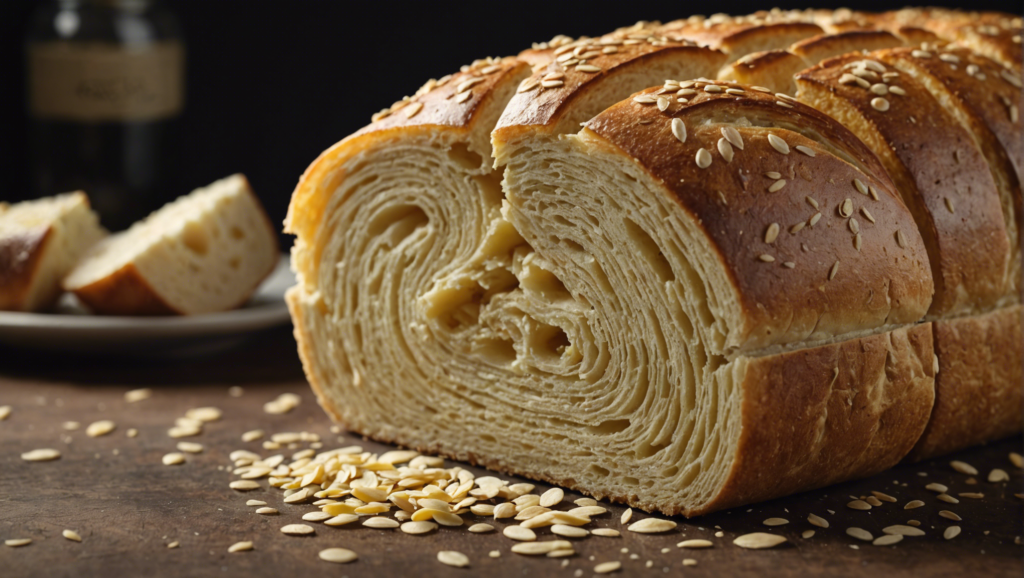
Innovation and tradition: banneton at the heart of new trends
The Essential Role of Banneton in Modern Crafts
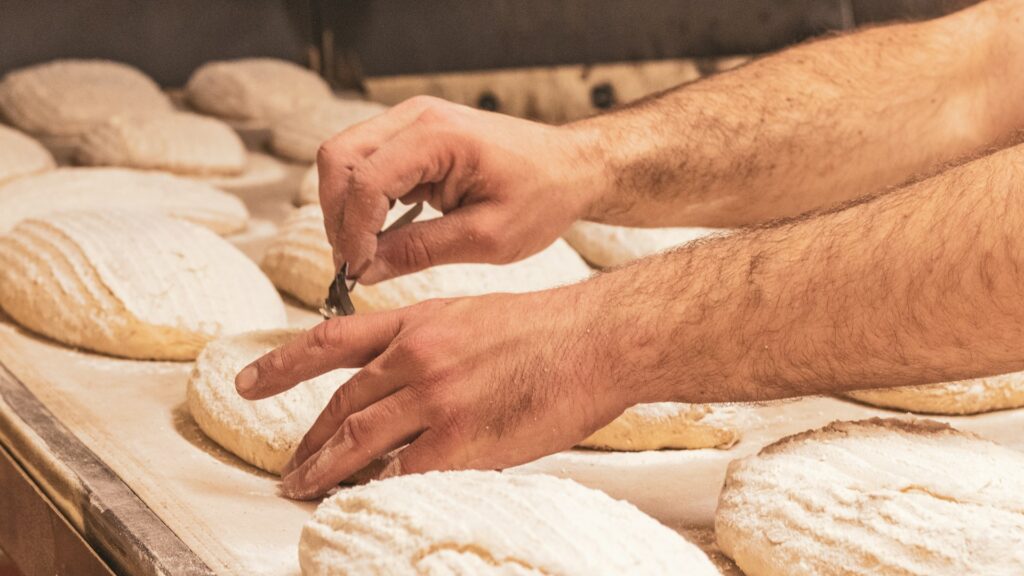
The role of bannetons in the manufacture of bread is essential, skillfully combining tradition And innovation. These utensils, although ancient, are today rediscovered and valued for their ability to improve the quality of bread. Home-made enthusiasts and professionals agree that the use of banneton is crucial for the structural and aesthetic development of the dough.
Traditionally, banneton is used to allow the dough to hold its shape and create a nice crust when baking. Today, this tool is also seen as a symbol of a return to more authentic and personal manufacturing methods. It seduces not only by its practical aspect, but also by the artisanal character it gives to the bread.
Modern Techniques for Using Banneton
The use of banneton has been refined over the years thanks to the contribution of new techniques of bread making. The preconditioning of these molds, for example, is a key step that requires dusting with flour to prevent the dough from sticking, making unmolding easier without disrupting the fermentation and shape of the bread.
At the same time, the materials used to make bannetons, varying between traditional wicker and modern materials such as food grade plastic, offer varied options depending on the specific needs of users. Wicker promotes air circulation around the dough, which improves the texture of the crust, while plastic allows for easier and quicker maintenance.
Impact on Consumer Trends
In terms of consumption, the appeal of breads made using bannetons reflects a broader trend toward products traditional and authentic. Consumers are increasingly seeking foods whose provenance and manufacturing process they understand, favoring sustainable and ethical practices.
This movement directly influences the popularity of bannetons in homes, but also in professional bakeries, where they are now omnipresent to meet this growing demand for breads with a distinctive and traditional character.
Frequently Asked Questions
What types of flour are recommended to use in a banneton?
High-protein flours, such as wheat or rye flour, are ideal because they better maintain the structure of the dough during rising.
How long can you leave the dough in a banneton?
Generally, the dough should rest for about 1 to 2 hours at room temperature, or overnight in the refrigerator, depending on the recipe used.
Can you use a banneton for all types of bread?
Yes, but it is particularly effective for hydrated doughs which benefit from the extra structure offered to maintain their shape during fermentation.
The rediscovery of bannetons in modern baking circles perfectly illustrates how the tools traditional can be integrated into contemporary practices, bringing both quality and aesthetic value to the final products. This intersection between old and new stimulates an enriching continuity in the art of bakery artisanal.