


How to prepare healthy and tasty wholemeal bread?
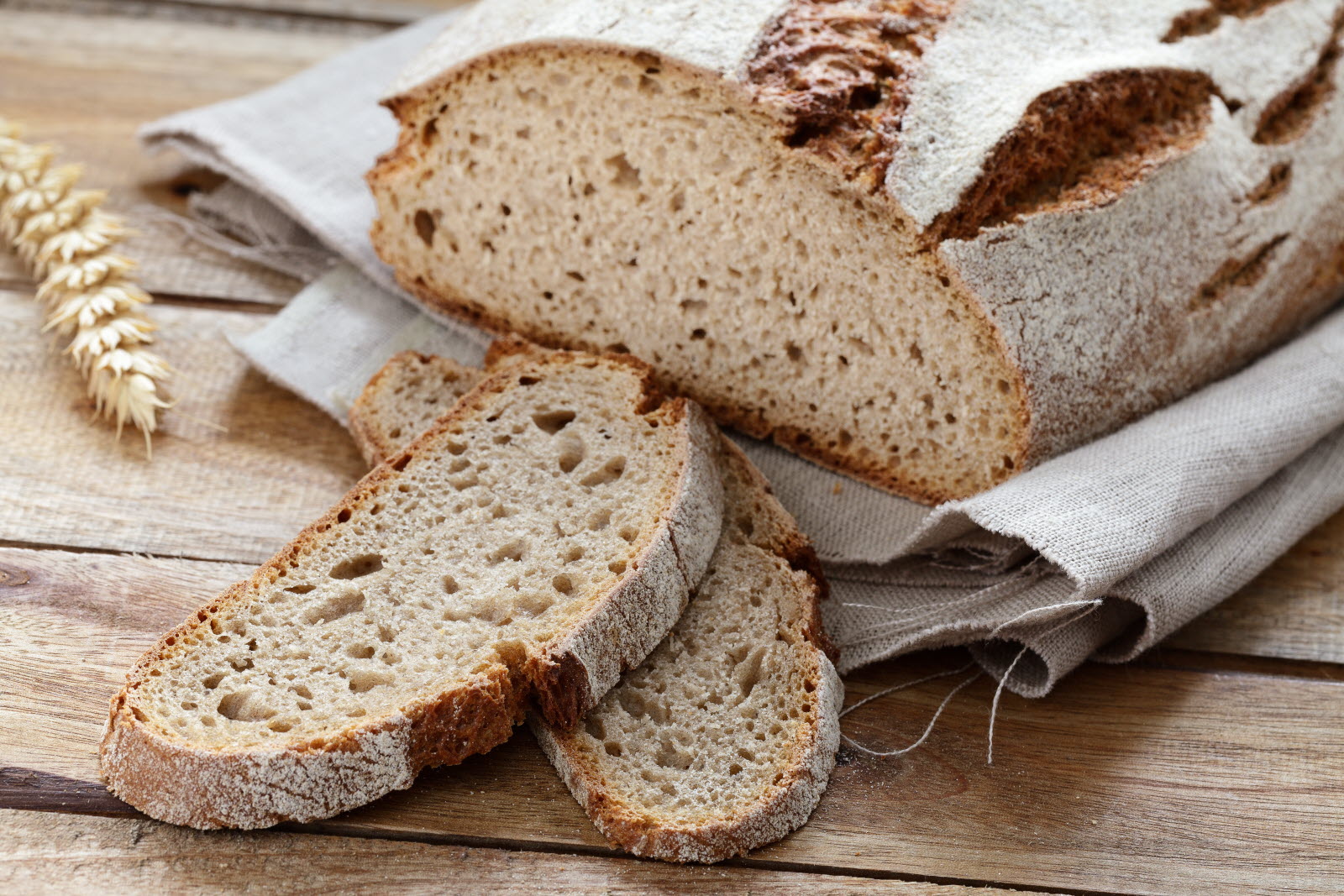

Discover the secrets of wholemeal bread that is both healthy and tasty: a detailed guide to mastering preparation techniques, choosing the right ingredients and obtaining a perfect crumb and an irresistibly crispy crust. Follow each step precisely to transform a simple recipe into an artisanal creation that will delight the most demanding palates.
Choice of ingredients for nutritious wholemeal bread
The basics: flours and supplements
The main ingredient in the manufacture of whole wheat bread is undoubtedly the flour. It is essential to choose quality flour, rich in fiber and nutrients. Whole wheat flour or whole wheat flour are preferred choices because they contain the germ and bran of wheat, thus retaining maximum nutritional properties. For a varied texture and nutritional intake, you can also incorporate flours from other cereals such as spelled, rye or kamut flour.
Added seeds and cereals such as flax, sunflower, chia and oat flakes increase the omega-3, fiber and protein content of the bread, while providing a pleasant texture and taste. shade.
Yeast or sourdough: fermentation agents
The choice of fermentation agent influences not only the texture but also the nutritional qualities of the bread. There yeast baker’s is the most common option and allows for rapid rising of bread. However, for a more nutritious wholemeal bread, using a Natural leaven is recommended. Sourdough, which is a fermented mixture of flour and water, enriches bread with probiotics beneficial for digestion and reduces the glycemic index of the final product.
Liquids: water and alternatives
Water is the most commonly used liquid for kneading wholemeal bread, but incorporating other liquids can enrich the nutritional value of your bread. Using a mixture of water and milk, for example, can add a touch of sweetness and contribute to a more tender crumb. Plant-based milks like almond or soy milk are great alternatives for adding extra vitamins and minerals.
Fats: chosen carefully
Including fat in the preparation of wholemeal bread can influence the texture and preservation of the bread. Olive oil is highly appreciated for its lipid profile promoting cardiovascular health. Other oils such as coconut or flaxseed oil can also be used for their specific properties and their contributions in essential fatty acids.
FAQs
What is the difference between whole wheat flour and whole wheat flour?
Whole wheat flour contains a large portion of the wheat grain, while whole wheat flour uses the whole grain, maximizing nutritional benefits.
Is sourdough better for your health than yeast?
Yes, sourdough contains natural probiotics that benefit digestion and reduce the glycemic index of bread, which is beneficial for diabetes management and digestive health.
Can you use liquids other than water to knead bread?
Absolutely, the integration of milk or vegetable milks enriches the nutritional value of the bread and can modify its texture, making it more tender and tasty.
Articles sur le même Sujet


Key steps in preparing the dough
Selection of Ingredients
The quality of ingredients is fundamental to making wholemeal bread. Favor a wholemeal flour organic to obtain a bread rich in fiber and nutrients. The yeast, whether fresh or dry, must be of premium quality for optimal fermentation. Filtered water at room temperature will facilitate yeast activation. Depending on your taste preferences, you can also add grains like sesame or flax.
Preparation of Natural Sourdough
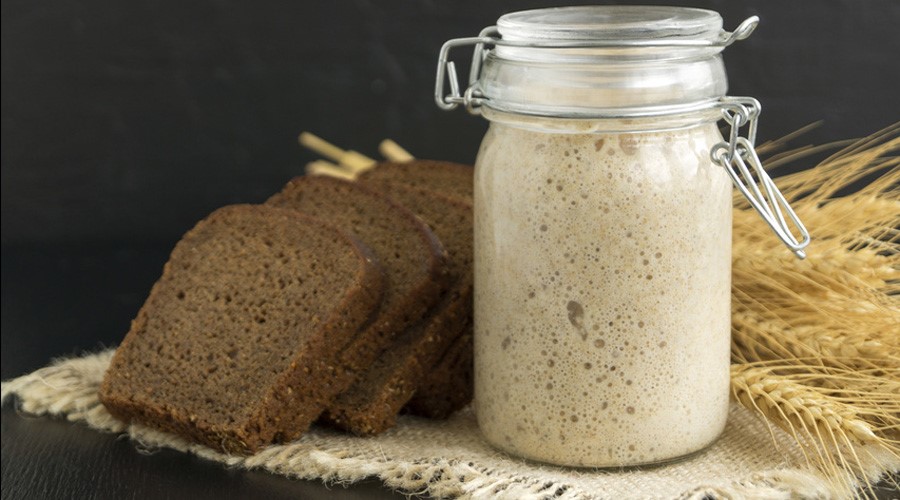
THE Natural leaven is essential to give wholemeal bread its characteristic taste and improve its conservation. To prepare it, mix lukewarm water with an equal amount of flour and a small addition of yeast. Let this mixture sit in a warm place for several hours until bubbles form, a sign of fermentation activity.
Kneading the Dough
THE kneading develops gluten, which is crucial for bread texture. Knead the dough vigorously for at least 10 to 15 minutes to obtain an elastic and homogeneous texture. This process can be done by hand or using a mixer.
First Lift
After kneading, form the dough into a ball and place it in a lightly oiled bowl. Cover with a damp cloth and leave to rest in a warm place. This first lifting, which generally lasts between 1 and 2 hours, allows the dough to double in volume thanks to the action of the yeast.
Shaping and Second Rise
Once the dough has risen, degas it by pressing gently to expel the air. Then shape your dough into the desired shape before placing it on a baking tray. Let it rise a second time until it gains volume again.
Baking Bread
The bread must be baked in an oven preheated to 220°C. The duration of cooking varies depending on the size of the loaf but generally runs around 30 to 45 minutes. To create a golden and crispy crust, do not hesitate to spray a little water in the oven during the first minutes of cooking.
FAQs
What is the difference between wholemeal flour and white flour?
Wholemeal flour is less refined and retains more of the grain, providing more fiber, vitamins and minerals. White flour, on the other hand, is more refined and mainly contains the endosperm of the grain, which gives it a finer texture and a less pronounced taste.
How long does it take to prepare natural sourdough?
Preparing natural sourdough can take 5 to 7 days. It is important to feed it regularly with a mixture of flour and water to maintain the activity of yeast and bacteria.
Can we add other ingredients to wholemeal bread dough?
Yes, it is possible to enrich your wholemeal bread with various ingredients such as nuts, dried fruits, seeds or even spices to enrich the flavor and nutritional value of the bread.
Articles sur le même Sujet
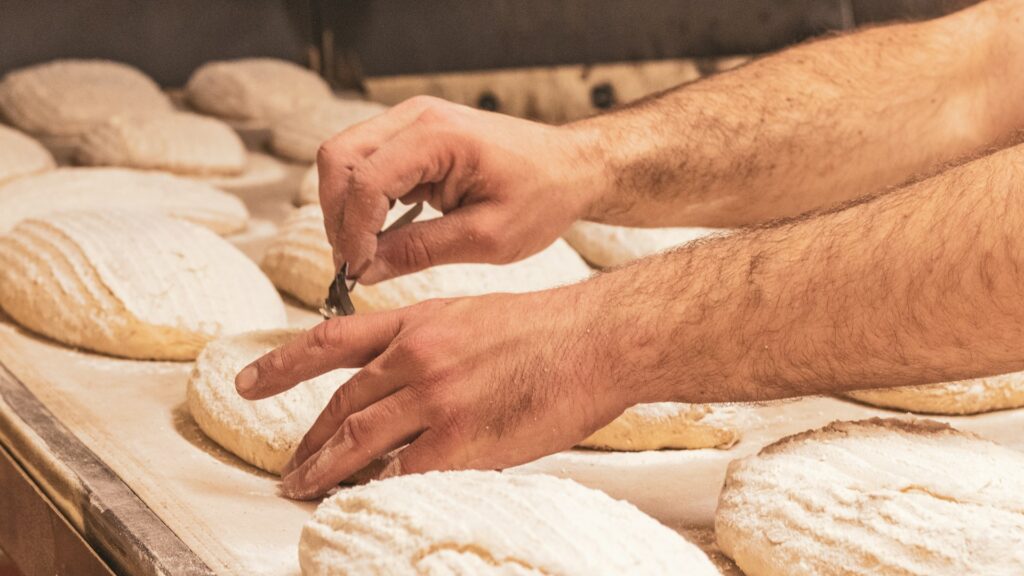
Baking secrets for perfect wholemeal bread
Selection and preparation of ingredients
The choice of ingredients plays a crucial role in the success of a whole wheat bread. Choose organic wholemeal flours which retain all the nutrients and natural flavors of the grains. The quality of the yeast, whether fresh or dry, must also be impeccable to guarantee good fermentation.
Before starting the kneading, make sure all ingredients are at room temperature to make the process easier. For wholemeal bread, the hydration of the dough is essential: it must be slightly higher than white bread dough due to the greater absorption of wholemeal flours.
Kneading and first fermentation
Kneading must be done carefully to develop the gluten network, crucial for the structure of the bread. Insufficient kneading will result in dense, heavy bread. The dough should be kneaded until it is soft and elastic.
The first fermentation, also called “pointing”, is a stage where the dough must double in volume. This process not only allows the gluten to relax, but also the flavors to develop. The duration of this step may vary depending on the ambient temperature, but it generally takes between 1 and 2 hours.
Shaping and second fermentation
After pointing, degas the dough by kneading it lightly to eliminate excess carbon dioxide. The shaping of wholemeal bread is decisive for baking. It must be firm enough to maintain the structure of the bread but flexible enough to allow expansion during baking. second fermentation.
The latter, also called “priming”, is shorter than the pointing. It lasts around 30 to 45 minutes and allows the dough to gain volume. It is important to cover the dough to prevent it from drying out.
Optimal cooking settings
Baking wholemeal bread requires special attention. The oven must be preheated to a temperature of 220°C to sear the crust quickly and allow it to rise well. Using steam at the start of cooking is recommended to allow the crust to remain soft and expand before solidifying.
Baking time may vary depending on the size and shape of the loaf, but 35 to 45 minutes is usually sufficient. The internal temperature of the bread should reach around 98°C, which ensures that the inside is cooked through.
FAQs on Baking Wholemeal Bread
How important is dough hydration in making wholemeal bread?
Hydration plays a crucial role, as wholemeal flours absorb more water. Good hydration guarantees a soft crumb and good rising of the bread.
The internal temperature of wholemeal bread should be 98°C. You can use a probe thermometer to check this. Also, the bread should sound hollow when you hit the bottom.
Steaming at the start of baking allows the crust to stay flexible longer, giving the dough more time to rise before the crust solidifies. This can help your wholemeal bread develop a nice airy texture and crispy crust.
Articles sur le même Sujet
Variations and aromatic additions to personalize your bread
The impact of ingredients in the manufacture of wholemeal bread
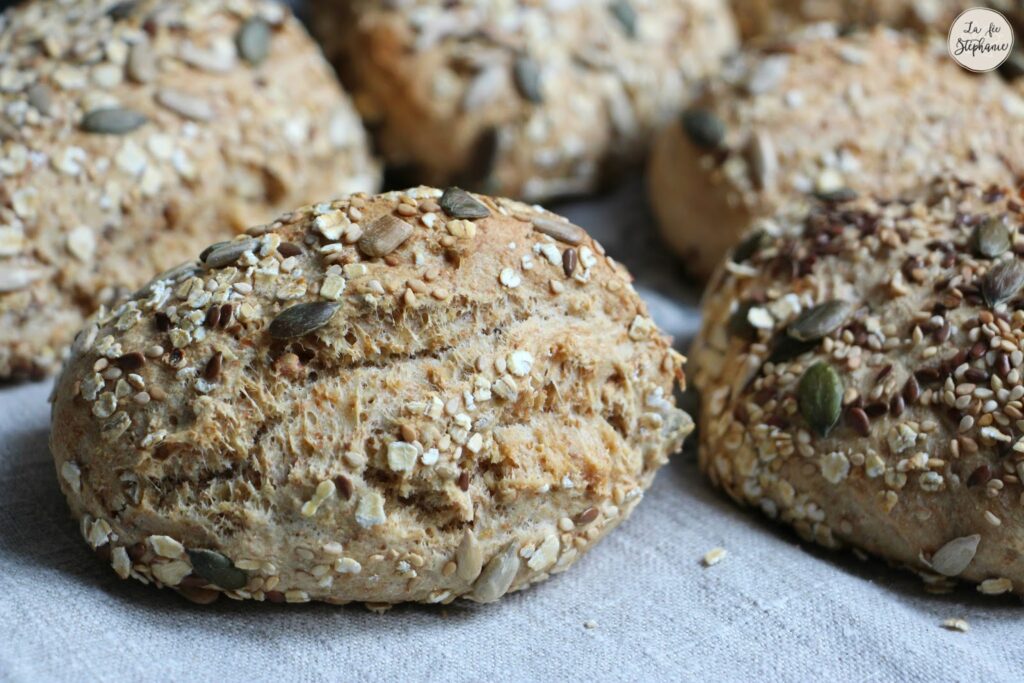
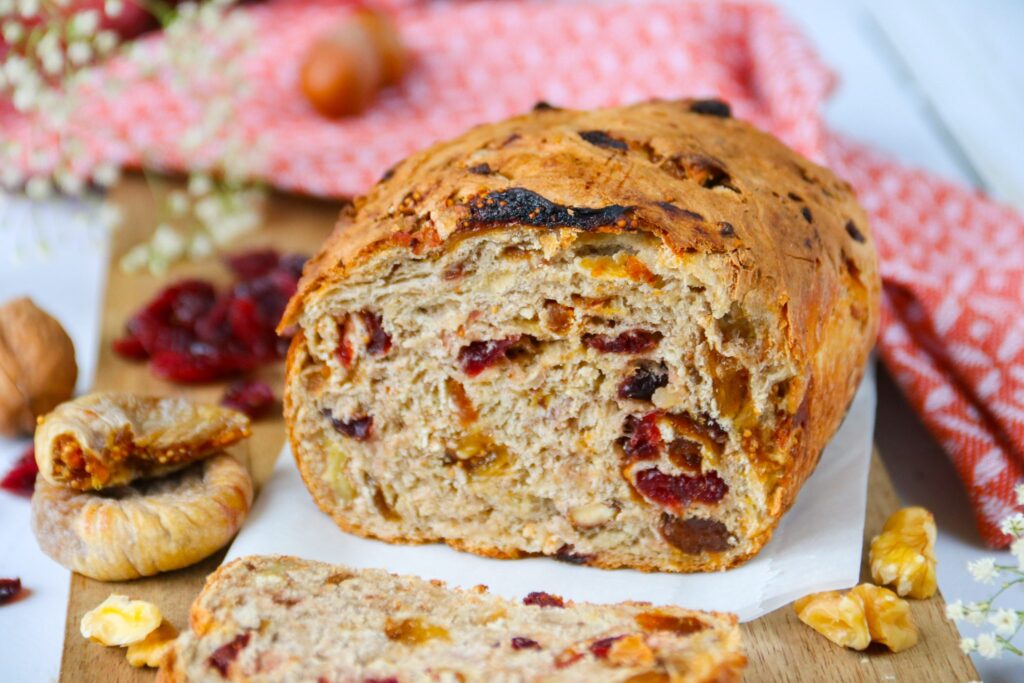
To personalize a whole wheat bread, it is essential to understand the impact of the different ingredients used. Each ingredient, from seeds to herbs, brings a unique touch both in texture that in aroma. Using flaxseed, sunflower or pumpkin seeds, for example, enriches the bread with both crunchy and nutty notes, while adding nuts or dried fruit can give it a softer and richer taste.
Kneading and incorporating techniques
The method of kneading also plays a crucial role in the distribution of flavors in bread. Slow and prolonged kneading allows for better activation of the gluten which promotes the elasticity of the dough and helps the homogeneous incorporation of flavors. Incorporating aromatic herbs like thyme or rosemary during kneading can be used to intensify the natural flavor of wholemeal bread.
Choice of flours and influence on flavors
The use of different flours significantly influences the aromatic profile of wholemeal bread. Whole wheat flour, for example, provides a rich, rustic flavor, while rye flour can introduce a slightly sour, deep note. Blending these flours can create the perfect balance of sweetness and intensity, providing an ideal base for adding additional aromatics.
Fermentation: key to aromatic personalization
There fermentation is a key factor in the evolution of wholemeal bread flavors. Use a Natural leaven allows not only to develop a more airy and light crumb structure, but also to nuance the flavors depending on the type of sourdough and the duration of fermentation. Flavors can vary from nutty to fruity, depending on the specific characteristics of the sourdough.
Temperature and cooking time management
Control of the temperature and cooking time can also influence the aromas of wholemeal bread. Cooking at lower and longer temperatures helps amplify the natural flavors of the ingredients, while high temperatures can result in a thicker crust and caramelized taste. Some techniques include using steam in the oven to add an extra touch of sweetness to the crust.
FAQs
What ingredients can be added to the dough to customize the taste of wholemeal bread?
It is possible to incorporate a variety of ingredients such as seeds (flax, sunflower, squash), nuts, aromatic herbs (thyme, rosemary), or even dried fruits to enrich the aromatic profile of the bread.
Are there specific kneading techniques to enhance flavors?
Yes, kneading slowly and long enough helps distribute flavors better while developing the elasticity of the dough, which is crucial for the final texture of the bread.
How does fermentation influence the flavors of wholemeal bread?
Fermentation, especially when carried out with a natural sourdough, develops complex and nuanced aromas ranging from nutty to fruity, and also improves the texture of the crumb.
Articles sur le même Sujet


Storing wholemeal bread to keep it fresh
Methods for immediate preservation of wholemeal bread
When you bring home freshly purchased or freshly baked wholemeal bread, how you store it largely determines how long it will stay fresh. First, it’s crucial to let the bread cool completely before storing it, as residual moisture can create an environment conducive to mold. Once cooled, the bread should be stored in a cloth or paper bag which will allow air to circulate while limiting drying out.
Long-term storage
For those who want to keep their wholemeal bread longer, freezing is a viable option. Slice the bread before freezing to make it easier to use every day. These slices can then be reheated directly in the toaster, which restores some of the freshness and texture of the bread. Use airtight freezer bags to prevent freezer burn, and store bread for up to three months for optimal quality.
Techniques for refreshing wholemeal bread
If your wholemeal bread starts to lose its freshness, there are several methods to ‘refresh’ it. One method is to briefly bake the bread. Preheating the oven to 175°C (350°F) and putting the bread in for about 5 to 10 minutes can restore a crispy crust and soft interior to your bread. Another effective technique is to lightly spray the surface of the bread with water before heating it, which helps revitalize its texture.
Humidity and environmental management
The effective conservation of whole wheat bread also requires consideration of the environment in which it is stored. An environment that is too humid can accelerate the formation of mold. It is advisable to store bread in a cool, dry place. Avoid cabinets above heat-emitting appliances or near moisture sources such as sinks or dishwashers.
FAQs on storing wholemeal bread
What is the best way to store wholemeal bread so that it stays fresh longer?
Freezing is one of the best methods for preserving wholemeal bread over the long term without losing its quality. Be sure to slice it before freezing and use airtight packaging.
Is it possible to store wholemeal bread in the refrigerator?
Storing wholemeal bread in the refrigerator is generally not recommended, as it tends to accelerate the breakdown of the texture of the bread, making it go stale more quickly.
How do I know if my wholemeal bread is no longer good to eat?
The development of mold and a sour smell are clear indicators that whole grain bread is no longer safe to eat. Additionally, an excessively hard and dry texture may also indicate that it is time to toss it.
Serve and enjoy your wholemeal bread: ideas and tips
Choice and Preparation of Wholemeal Bread
The quality of whole wheat bread begins with its choice and preparation. Choose a bread with a golden crust and a dense crumb, signs of good gluten development and adequate fermentation. Before serving, make sure the bread is well cooled; A loaf that is still warm may look nice but its structure has not yet stabilized, which makes cutting difficult and can affect its texture.
Ideal Cutting Techniques
Proper cutting is essential to fully appreciate the texture and taste of wholemeal bread. Use a bread knife with sharp teeth. Saw gently without crushing the crumb, letting the blade do the work. For breads of varying densities, adapt your technique: lighter pressure for airy breads, firmer pressure for dense breads.
Suggestions for Toppings and Sides
THE whole wheat bread pairs ideally with a variety of toppings. For cheeses, opt for creamy textures like Camembert or hard cheeses like Comté. Jams with a touch of acidity, such as raspberry, perfectly complement the nutty flavor of wholemeal bread. Don’t forget compound butters (mixture of butter, herbs, and aromatics), which enhance the natural flavors of the bread.
In terms of accompaniments, light red wines or amber beers pair well with the richness of wholemeal bread. For a more traditional approach, a simple drizzle of extra-virgin olive oil can enhance this characterful bread.
Ideas for Complete Dishes with Wholemeal Bread
THE whole wheat bread can be incorporated into more elaborate dishes. Consider indulgent toast topped with grilled vegetables and pesto, or use thick slices to create crispy bruschetta bases. Wholemeal bread also makes a great base for sturdy sandwiches, ideal for picnics or a nourishing lunch.
Optimal Conservation Techniques
To maintain the freshness of whole wheat bread, store it in a cloth bag inside a cool, dry place. Avoid the refrigerator, which can actually speed up staling. If you have a lot of bread, consider slicing it and then freezing it, which preserves the texture and taste for later tasting.
FAQs
How do you know if wholemeal bread is well cooked?
Well-baked wholemeal bread should have a thick, golden crust and sound hollow when tapped. The crumb must be dense and homogeneous, without moist or doughy parts.
Can we prepare wholemeal bread so that it stays fresh longer?
Yes, a few techniques can help prolong the freshness of wholemeal bread. Storing in a cloth bag rather than plastic allows the bread to “breathe” and prevents moisture buildup, which can lead to premature soggyness. Plus, the bread can be stored in the freezer in slices for convenient use on demand.
When are the best times to serve wholemeal bread?
This type of bread is ideal for hearty meals such as breakfasts or dinners where it can complement strong flavored dishes. Served at meetings or events, wholemeal bread can also make an interesting base for canapes or hors d’oeuvres.