


What are the multiple possibilities offered by the magic of the banneton?
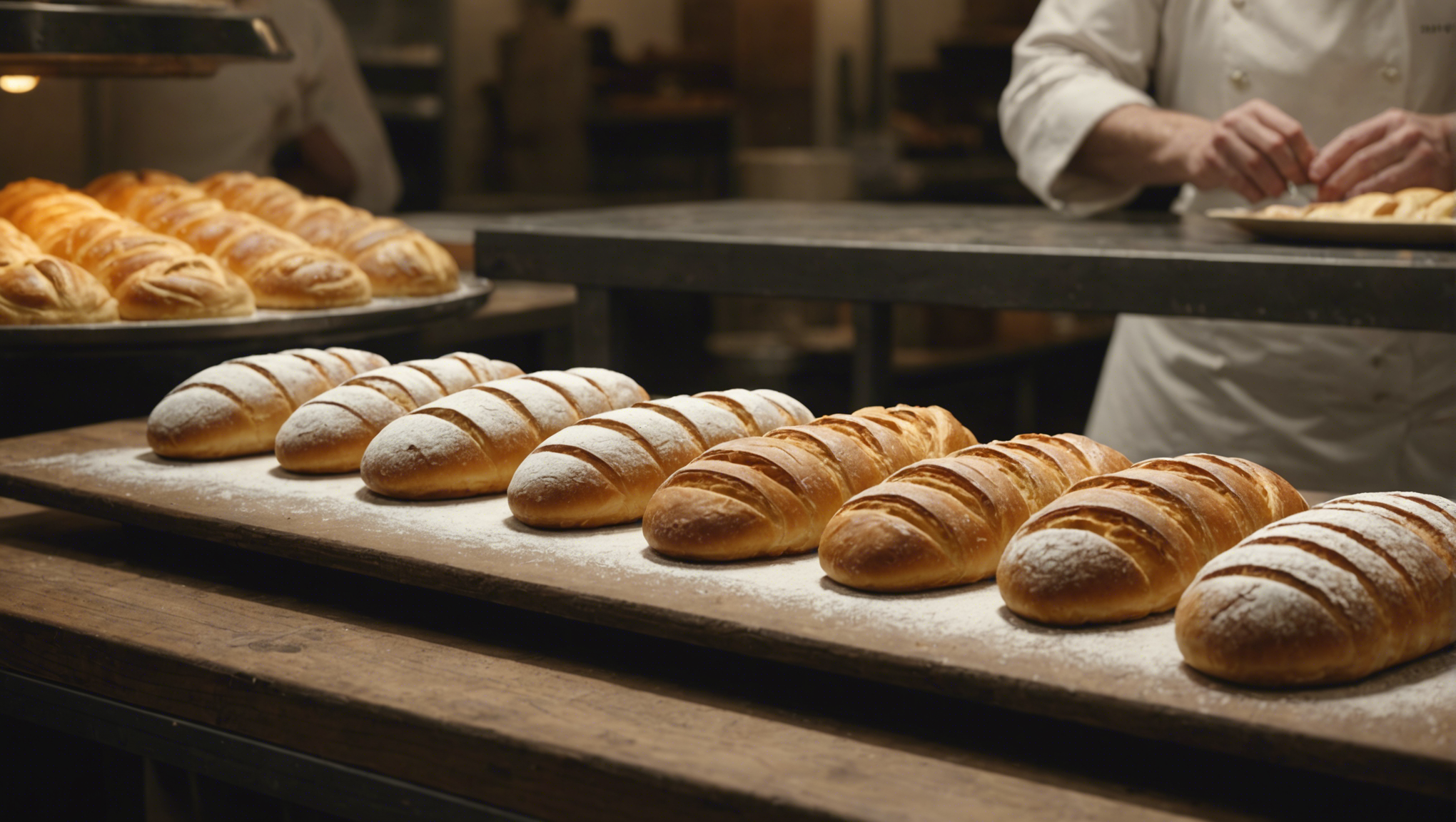

Discover how the banneton, this traditional baking tool, can transform your bread making practice. From fermentation techniques to the variety of shapes and textures, this article explores the endless possibilities banneton offers for perfecting the art of baking at home. Enhance your skills and let yourself be inspired by the magic of banneton to create breads of incomparable quality and beauty.
The diversity of shapes and sizes of bannetons
Types of Bannetons and Their Specificities
The choice of banneton Proper baking is crucial for anyone serious about artisan baking. THE bannetons can be classified according to two main criteria: shape and material. Each shape brings a distinct imprint to the bread, influencing not only its appearance but also the distribution of heat during baking.
The most commonly used shapes are round and oval, ideal for bread balls or longer loaves. However, bannetons are also available in more specialized shapes such as triangles or even personalized shapes, which allows bakers to stand out with original and attractive creations.
The size of bannetons also varies depending on the expected dough weight. They can hold small amounts of dough for individual loaves, up to larger sizes intended for family loaves. This variation in size allows bakers to precisely control the volume and shape of their final product, key elements for a successful result. professional.
Choice of Materials and Impact on Fermentation
The materials used to make the bannetons also influence the dough fermentation process. The most traditional ones are made of rattan or wicker, promoting good air circulation all around the dough, which is essential for proper fermentation. These materials also absorb excess moisture, ensuring a perfectly crispy crust.
Other modern options include plastic or silicone bannetons, often chosen for their ease of cleaning and durability. However, they do not have the same moisture absorption capacity as rattan, which can slightly change the texture of the bread crust.
The choice of material therefore depends mainly on the personal preferences and specific goals of the baker, with each type offering distinct advantages.
Bannetons FAQ
1. What is the best material for a banneton?
Rattan is generally considered the best material for a banneton because of his techniques superior fermentation. It allows excellent aeration and absorption of humidity, essential for good rising of bread.
2. How to choose the size of a banneton?
The size of the banneton should be chosen based on the weight of the dough you plan to use. A good ratio is to choose a banneton that can hold a weight of dough equal to 1.5 times its own volume to allow for adequate expansion.
3. Can you use a banneton for different types of bread?
Yes, it is possible to use the same banneton for different types of bread. However, certain specific breads could benefit from adapted shapes or sizes, thus improving the aesthetics and quality of the final bread.
Articles sur le même Sujet
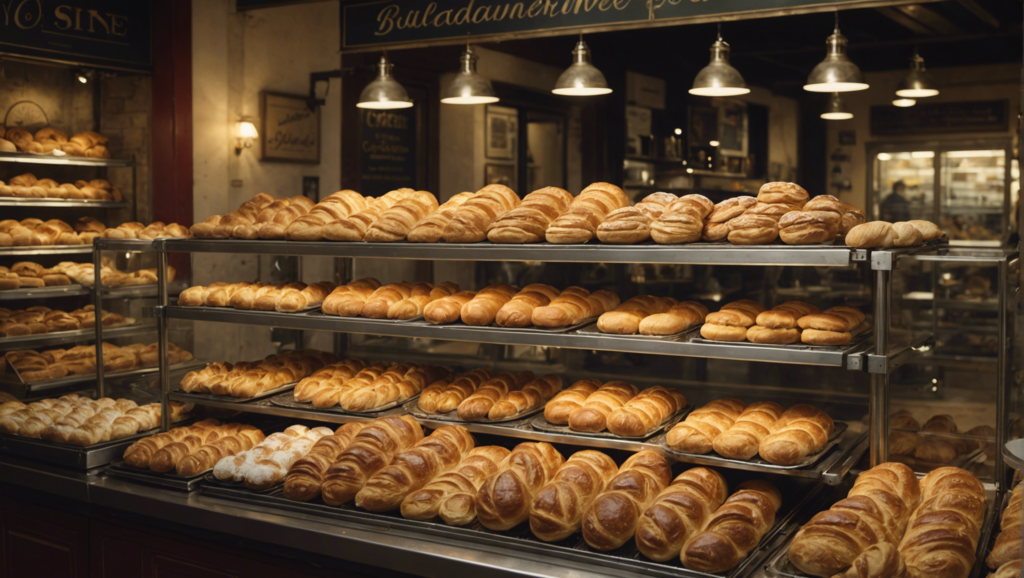

Fermentation techniques with a banneton
The Foundations of Banneton in Bakery
THE banneton is an essential tool for any baker professional wishing to master the techniques fermentation of bread. Traditionally made of wicker or rattan, it serves as a mold during the final fermentation of the dough before baking. Its main utility lies in its ability to absorb excess moisture from the dough, thus obtaining a crispy crust and a well-aerated crumb.
The shape of banneton bread also helps to structure the bread, giving it spiral or line patterns, depending on the type of banneton used. In addition to its practical aspect, it also offers a typical aesthetic to each bread, reinforcing its character traditional.
It is crucial to properly prepare and maintain your banneton to ensure prolonged and effective use. This includes regular cleaning to prevent any buildup of paste residue and mold growth.
Techniques for Preparing and Using Banneton
Before each use, it is recommended to sprinkle the banneton of flour to prevent the dough from sticking. Some bakers opt to mix rice flour with their regular flour, for its superior non-stick properties. Once the dough is placed in the banneton, it must be covered with a clean cloth and left to ferment in a warm, humid place, which facilitates the activity of the yeast and the expansion of the dough.
The fermentation phase in a banneton varies depending on the recipe and can last from a few hours to a whole day. This step is crucial: it directly influences the texture, taste and appearance of the bread. Good control of fermentation times and conditions makes it possible to obtain breads with specific desired characteristics.
Tips for Optimizing the Effect of Banneton on Your Bread
Some tips can be adopted to maximize banneton efficiency. For example, maintaining a constant temperature during fermentation can help develop a more consistent crumb texture. Controlled humidity also plays an important role in avoiding a crust that is too thick or a densified crumb.
Using lids or plastic wrap during fermentation can also help control the humidity around the dough, promoting optimal development. After use, clean the banneton with a soft brush and letting it dry completely in the open air guarantees its longevity and preserves its properties.
FAQs on Using Bannetons
1. Can we use a banneton for all types of bread dough?
In general, bannetons are best suited for soft or lightly hydrated doughs that benefit from the structure and support provided by the banneton during fermentation.
2. Do we absolutely have to flour the banneton before each use?
Flouring the banneton is essential to prevent the dough from sticking. Using rice flour or a flour blend can improve the non-stick result.
3. How long can you keep a banneton?
With proper care, a banneton can last for several years. Avoid exposing it to excessive sources of humidity and clean it regularly to extend its lifespan.
Articles sur le même Sujet
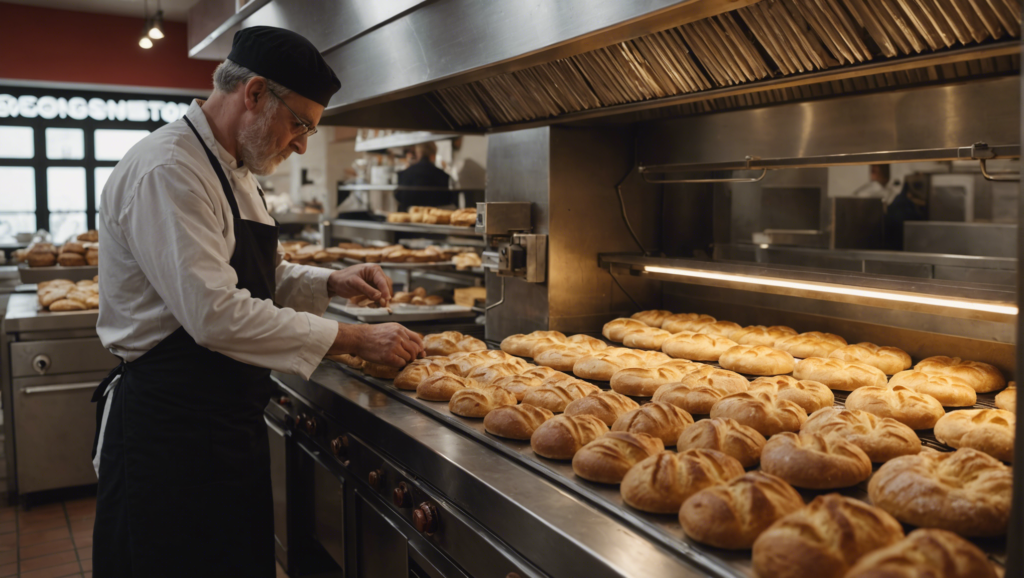
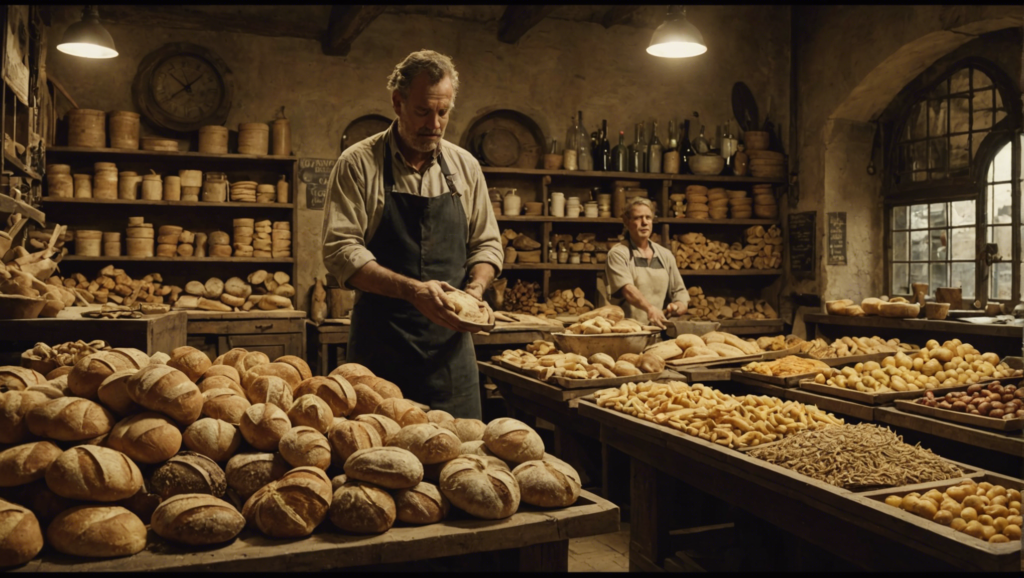
Maintenance and care of bannetons
Importance of regular maintenance of bannetons
For bakery enthusiasts, the banneton is an essential tool to obtain a beautiful shape and perfect texture of the bread. Proper maintenance is crucial to prolong its lifespan and guarantee the quality of the breads produced. Without proper care, bannetons can accumulate flour residue, become a breeding ground for bacteria and affect the taste of your bread.
Cleaning after each use
Removing dough and flour residue is an essential step after each use. Use a soft brush to remove particles without damaging the fibers of the banneton. It is recommended to avoid water as moisture can warp wood and encourage mold growth. Instead, after brushing, expose the banneton to the open air to dry completely.
If deeper cleaning is needed, dust the banneton with rice flour which will absorb moisture and help loosen residue. Leave it on for a few minutes, then brush again. This technique helps keep the surface of the banneton dry and clean, thus optimizing the release of the dough during subsequent uses.
Periodic disinfection
Even with regular cleaning, it is advisable to carry out periodic disinfection to eliminate accumulated bacteria. You can expose the banneton to the sun for several hours, as UV is an excellent natural disinfectant. Another method is to use a hot oven: place the banneton upside down in an oven preheated to a low temperature (around 50°C) for 15 minutes. This gentle heat will eliminate bacteria without damaging the wood or fibers.
Proper storage
Storage plays a crucial role in preserving the quality of a banneton. Avoid humid environments and choose a cool, dry place. If possible, store the banneton in a fabric bag which will allow good ventilation while protecting it from dust. It is important to ensure that the banneton is completely dry before storing to prevent mold from forming.
Additional Tips for Maximum Longevity
- Never use soap or chemical detergents which could impregnate the wood and alter the taste of the bread.
- If mold develops, clean the banneton with a mixture of hot water and vinegar before drying it in the oven as mentioned previously.
- Regularly inspect the condition of the banneton and replace it if signs of degradation are visible to guarantee the consistent quality of your breads.
FAQs
- Can you wash a banneton in water?
- How often should a banneton be disinfected?
- How do you know when to replace a banneton?
Articles sur le même Sujet


Exploring creative recipes using banneton
The Fundamental Role of Banneton in Artisanal Bakery
THE banneton, an essential tool in the art of traditional baking, offers an ideal support for shaping and fermenting the bread. Used mainly to hold the dough during its final fermentation, it helps develop a well-structured crust and an airy crumb, key characteristics of high-quality breads.
This wicker or perforated plastic utensil is not only functional but also a source of inspiration for artisan bakers. It allows you to explore recipes that require precise control of fermentation and impeccable presentation.
Techniques and Tips for Optimizing the Use of Banneton
The effective use of banneton requires mastery of certain techniques And tips. Before use, it is crucial to prepare the banneton by lightly flouring it, which prevents the dough from sticking and makes it easier to unmold the bread. Regular maintenance of the banneton is also essential to ensure consistent, quality results.
Another technique is to play with temperatures and fermentation times. For example, slow fermentation at low temperatures will allow the dough to develop more flavors and a better texture. Using banneton in this context helps maintain the desired shape and volume of the bread.
Experimenting with New Recipes with Banneton
Experimentation is at the heart of baking professional. The banneton allows you to experiment with various types of flours and hydrations. For example, by using wholemeal flours or incorporating seeds and nuts, we obtain breads with varied textures and flavors.
Additionally, variations in bread shaping and scoring, i.e. the incisions made on the bread before baking, can also be improved with the use of a banneton, resulting in a finished product each time unique and attractive.
FAQs on Using Banneton
1. What is the best type of banneton to use for a beginner?
For beginners, a wicker banneton with linen cloth is ideal. It makes it easier to unmold the bread and maintains the shape of the dough effectively.
2. Can we use a banneton for all types of pasta?
Yes, bannetons can be used for most types of dough, but it is recommended to choose the size and shape of the banneton according to the type of bread you want to make.
3. How to maintain your banneton to prolong its life?
After each use, it is important to remove excess flour and let the banneton air dry. Avoid washing it with water so as not to alter the natural fiber of the wicker or the material used.

