


Choice of Banneton
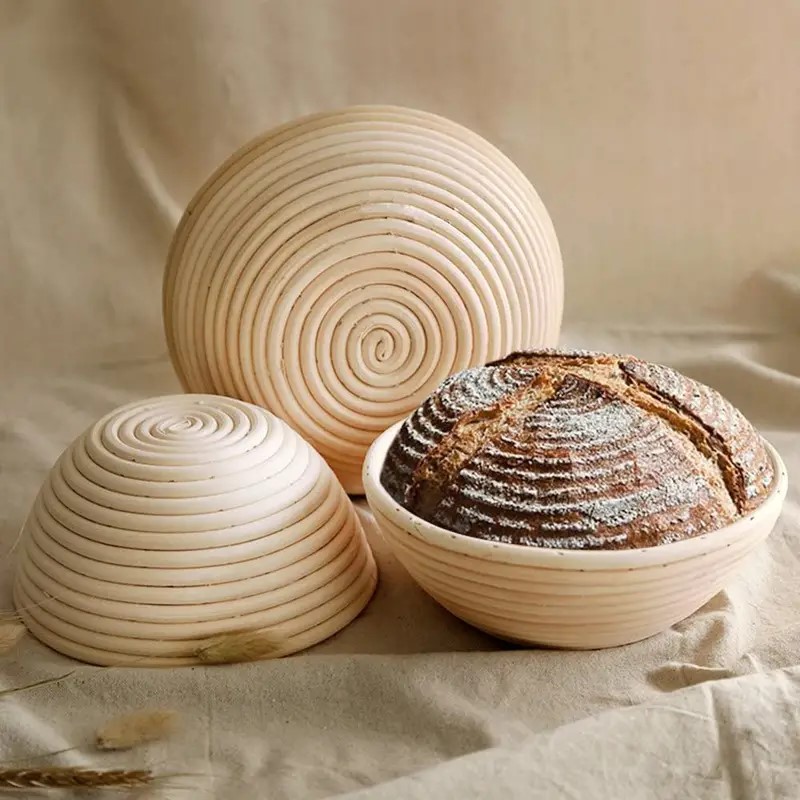

Discover the art of choosing the ideal banneton to transform your artisan baking experience. Whether you are a passionate amateur or a seasoned professional, this article will guide you through the different types of bannetons available, their materials, shapes, and sizes. Learn how to select the perfect banneton that will complement your shaping technique and improve the quality of your homemade breads.
The criteria for selecting a banneton
Materials used: Choice between wood and plastic
The choice of materials is paramount when it comes to selecting a banneton. Traditionally, bannetons are made from wicker or rattan, providing a natural structure that helps support the dough while allowing good ventilation. This promotes the formation of a well-aerated and crispy crust. At the same time, plastic bannetons present themselves as a modern alternative, often praised for their ease of cleaning and their durability. However, they do not always offer the same moisture absorption capacity as natural materials.
Shape and Size Adapted to Production


The size and shape of the banneton must match the type of bread you want to make. Round bannetons are ideal for traditional loaves of bread, while oval or long shapes are better for baguettes or elongated loaves. It is crucial to choose a banneton proportional to the quantity of dough prepared to guarantee optimal support during rising.
Covering: Linen vs Natural
Some bannetons are sold with a linen or cotton covering, which serves to minimize contact of the dough with air while absorbing excess moisture. This coating, often removable and washable, is particularly useful for very hydrated doughs. An uncoated banneton can also be wise, especially if you are looking for the aesthetic effect of the traditional patterns left by the natural fibers on the crust of the bread.
Ecological and Health Considerations
Nowadays, the ecological aspect plays a significant role in the choice of bakery utensils. Opting for bannetons made from renewable and organic materials is beneficial both for the environment and for the health of consumers. Additionally, it is worth checking that bannetons do not contain potentially harmful chemicals, such as some glues or varnishes used in the manufacture of less expensive versions.
Ease of Cleaning and Maintenance
- A good banneton should be easy to clean, which is essential for maintaining hygienic and safe bread production.
- Bannetons made from natural materials such as wicker may require more thorough cleaning, while those made from plastic are often dishwasher safe.
- It is also advisable to allow for complete drying between each use to prevent the formation of mold.
Pour Aller plus Loin…

Different types of bannetons and their uses
The Varied Shapes of Bannetons
In baking, the choice of banneton is crucial to obtain the best shape and texture of homemade bread. The traditional round banneton, commonly used for country boules, allows the bread to maintain a dense and firm structure during rising. For baguettes or elongated breads, the elongated banneton or “bastard” is ideal. These baskets provide longitudinal support that helps maintain the characteristic elongated shape. In addition, square bannetons, although less common, are perfect for breads with an airy crumb and original shapes, thus offering a unique touch to each creation.
Materials Used in the Manufacturing of Bannetons
The nature of the material gives distinct properties to each banneton, influencing the texture of the bread. Wicker bannetons are highly prized for their durability and ability to absorb moisture, resulting in a perfectly crisp crust. Alternatively, linen bannetons promote even lifting and prevent sticking thanks to their lightly adhesive surface. For fans of ecological products, bannetons made from organic materials such as natural rattan offer a durable and aesthetically pleasing option.
Preparation and Maintenance of Bannetons
Proper maintenance is vital to maximize the longevity and effectiveness of bannetons. Before the first use, it is recommended to lightly flour the banneton to create a non-stick barrier. After each use, it is best to remove any remaining paste and let it air dry to preserve the quality of the material. A soft brush can be used for more thorough cleaning without damaging the fiber of the banneton. Occasionally exposing the banneton to the sun can help disinfect and rid the fabric of any residual odors.
Choosing the Banneton Suited to Your Needs
Selecting the ideal banneton depends on the type of bread you want to make. An artisan banneton bread with a specific shape can influence the final result of the bread, both in terms of taste and texture. It is also essential to consider the size of the domestic oven, as not all bannetons are suitable for all cooking spaces. Investing in a quality banneton, adapted to the frequency of use, represents a decisive element for any professional or amateur baker passionate about making homemade bread.
Impact on the Art of Traditional Bakery
The use of bannetons substantially enriches the art of baking, not only offering a traditional method of shaping but also allowing optimal fermentation and baking. By embracing ancestral methods through the use of bannetons, bakers can continue to honor time-tested techniques while innovating and personalizing their creations. Thus, the banneton not only forms the bread, but also helps perpetuate a precious culinary heritage.
Pour Aller plus Loin…
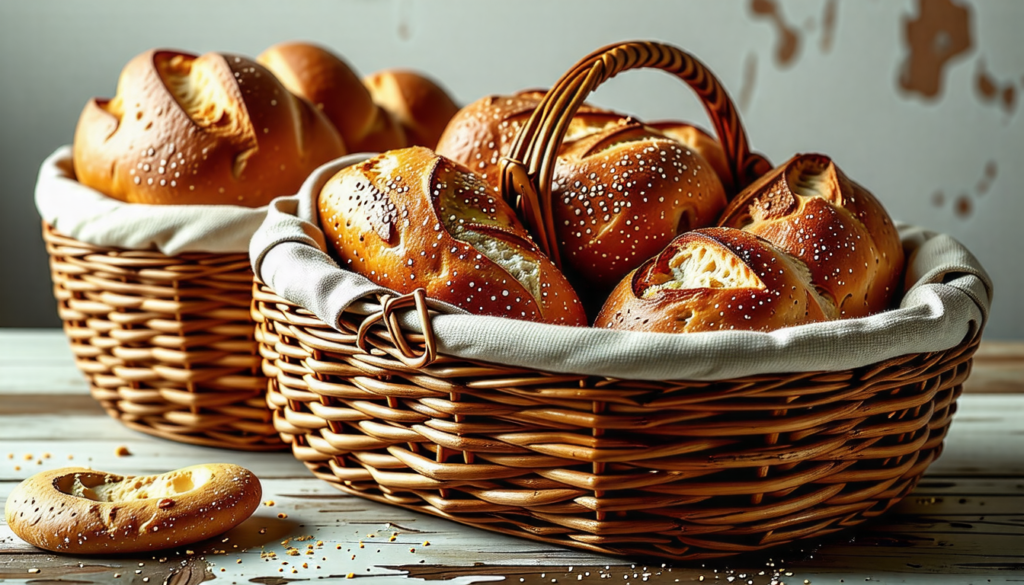
Maintenance and durability of bannetons
Choice and Initial Preparation of Banneton
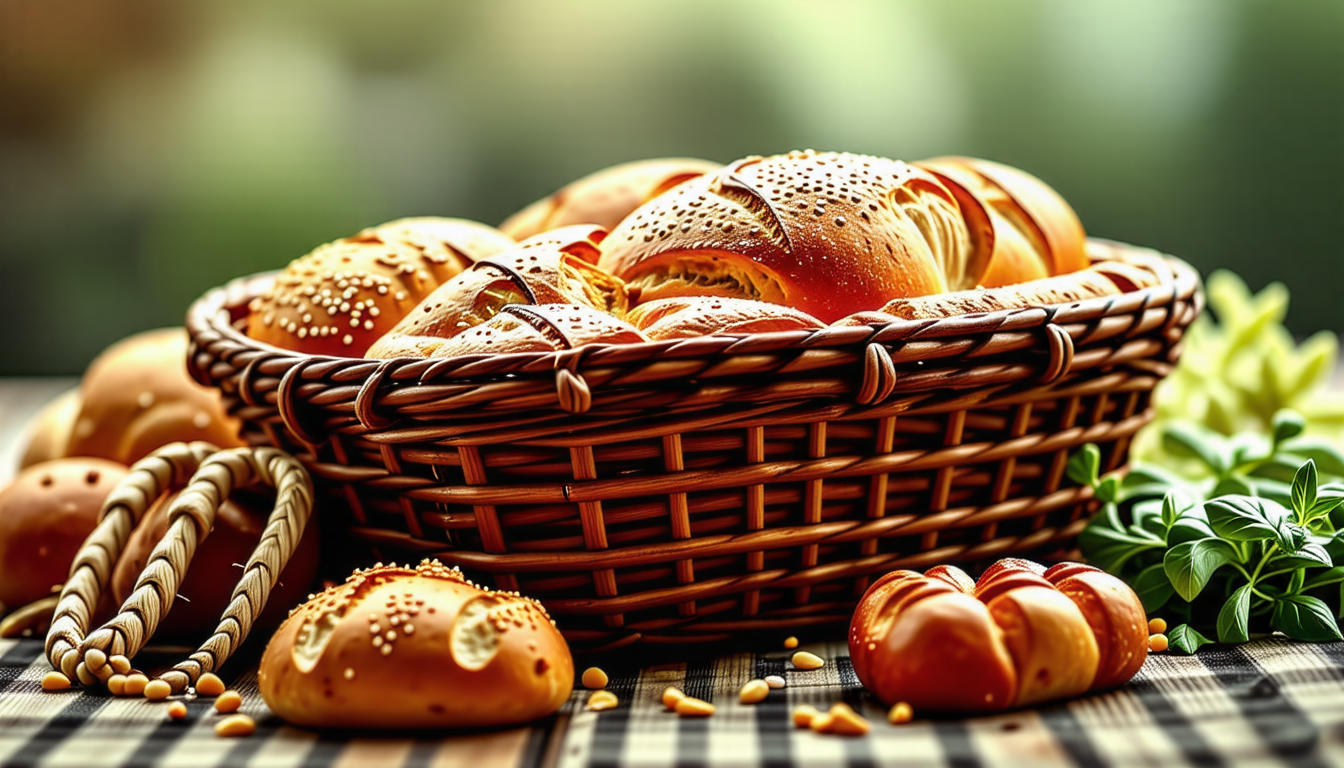
When we approach the topic of banneton bread, it is essential to discuss the preparation and choice of this essential tool for traditional baking. Opting for a banneton made from natural materials such as rattan or fitted with linen cloth is preferable to guarantee the absorption of humidity and better formation of the crust of homemade bread. Before the first use, it is recommended to generously dust the banneton with flour to create a non-stick barrier. This essential step helps preserve the texture and shape of your dough when peeling.
Regular Cleaning and Care of Banneton
To ensure the longevity of your banneton bakery, proper cleaning after each use is crucial. Removing dough residue is a step that should not be neglected to avoid mold and deterioration of the basket. It is advisable to shake off the flour and dough debris, then gently brush the banneton with a soft brush. It is important to refrain from using water, as moisture can damage the natural material.
Proper Storage for Sustainability
Proper storage is also a key factor in caring for a banneton. The latter must be kept in a dry and well-ventilated environment to prevent problems with humidity and mold. Additionally, avoid confined spaces or locations directly exposed to sunlight which could alter the fibers of the basket and reduce its effectiveness.
Flour Renewal for Optimal Protection
Replacing the flour with each use not only helps prevent homemade bread from sticking but also serves as protection against humidity for the basket. A light coating of fresh flour before each use helps keep the surface of the banneton dry and ready to receive the dough, ensuring optimal results.
Periodic Maintenance for Better Performance
Finally, for those who use their banneton frequently, a periodic check is recommended. This inspection ensures that the basket is in good condition and free of any element likely to compromise the quality of the organic bread. If signs of deterioration are observed, it may be necessary to consider replacement to continue producing high quality breads.
These rigorous maintenance practices not only ensure hygiene but also ensure that the performance of these homemade baking essentials is maintained. Through correct and regular maintenance, the banneton remains a valuable ally for any bread maker concerned with perfection and authenticity.
Pour Aller plus Loin…
Factors influencing the choice of banneton material
Importance of Materials in Banneton Manufacturing
The choice of material for a banneton bakery is not limited only to a question of aesthetics or cost. It directly influences the quality of homemade bread, particularly in terms of texture, shape and fermentation. Materials traditionally used to make bannetons include wood, plant fibers like wicker, as well as more modern options like linen and synthetic materials. Each material offers distinct advantages and deserves careful evaluation based on intended use and personal preference.
Advantages of Natural Materials
Lovers of artisanal bread often opt for bannetons made from natural materials such as wicker or rattan. These organic materials are not only ecological but also allow optimal aeration during fermentation. Wicker, for example, absorbs excess moisture and thus facilitates the formation of an ideally crispy crust. Additionally, using wicker baskets is a traditional method that enhances the authentic look of homemade breads.
Choice of Synthetic Materials
On the other hand, bannetons made from synthetic materials provide durability and uniformity. These baskets, often produced in food grade plastic, are appreciated for their ease of cleaning and their resistance to mold. For baking professionals and enthusiasts who produce a large volume of bread, these materials can be a practical choice. However, it is crucial to ensure that the plastic is food grade and free of harmful substances.
Impact of Coatings and Linings
The choice of covering, such as linen inserted into the banneton, also plays an essential role. This canvas helps to unmold the bread more easily while contributing to the creation of a desired surface texture. Linen is particularly prized for its absorbent qualities which improve the quality of the crust. It is imperative to choose a canvas that meets food standards to avoid any transfer of unwanted substances to the bread dough.
Ecological and Health Considerations
Finally, the ecological and health impact of materials is an increasingly important consideration. Renewable raw materials, such as wood and wicker, align bread craftsmanship with sustainable and environmentally friendly practices. Eco-friendly lifestyle enthusiasts tend to favor responsibly sourced bannetons, emphasizing their commitment to eco-friendly manufacturing practices.
In conclusion, the choice of material for a banneton must take into account several factors, ranging from technical performance to environmental impact, including personal taste and style preferences. No matter the choice, the important thing is to find a balance between tradition and innovation to achieve the best baking results.