


Banneton: Shaping Techniques
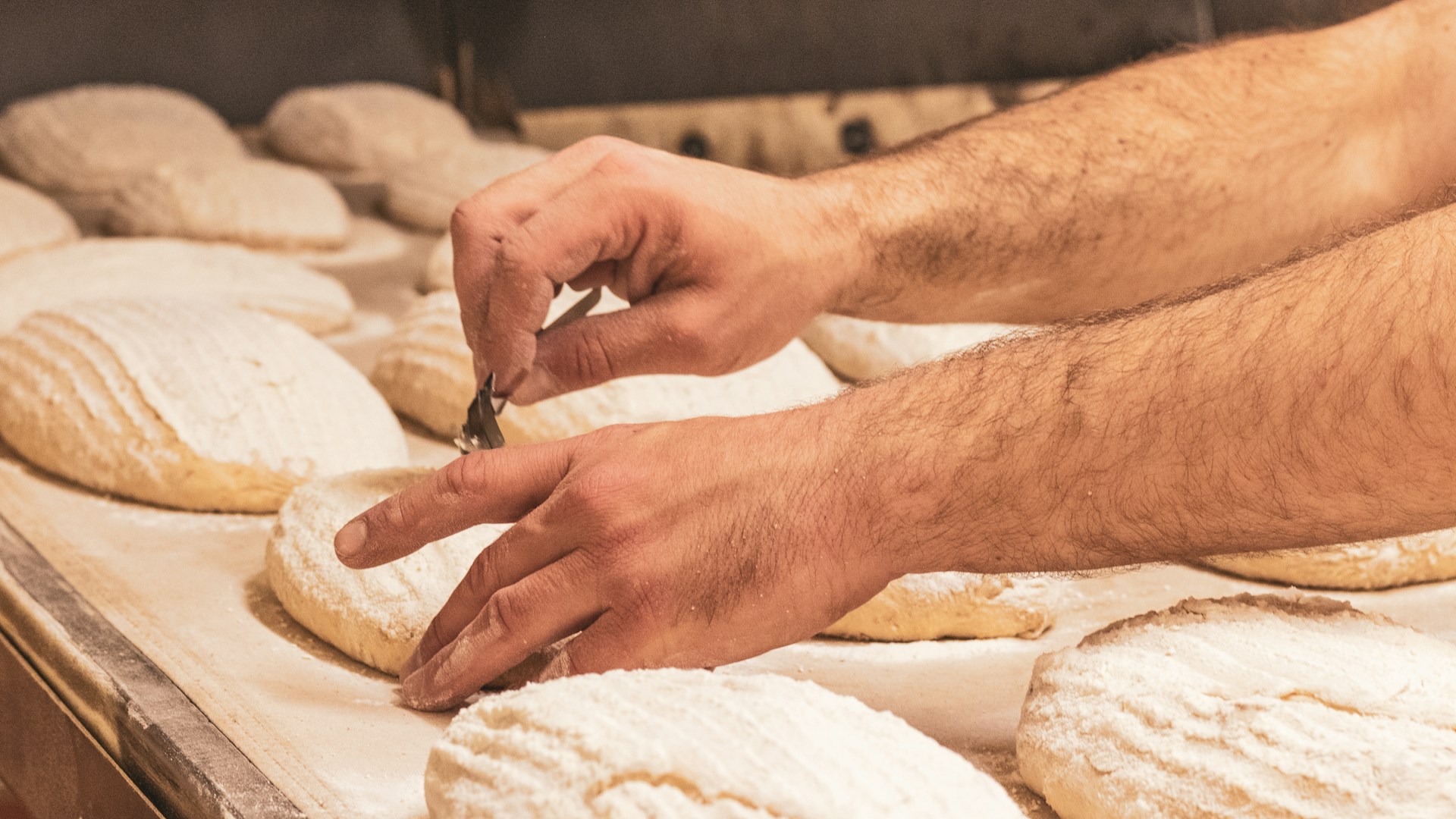

In this article, we’ll explore the precise shaping techniques and methods of using bannetons that result in perfect sourdough breads with ideal texture and aesthetics. Find out how to master this essential artisan baking tool to take your bread making art to the next level.
Choice of banneton adapted to each type of bread
Selecting the appropriate banneton is essential to ensure the aesthetic quality and precise shape of homemade bread. The craft of baking relies on notable tools, such as the banneton, which are not only functional but also intertwined with the tradition of bread shaping.
In the professional context, understanding the various configurations and materials of bannetons can transform the production into an organic and authentic work of art. Every detail, from the size to the fiber of the basket, plays a crucial role in the final crust and crumb of the product.
The different types of bannetons and their specific use
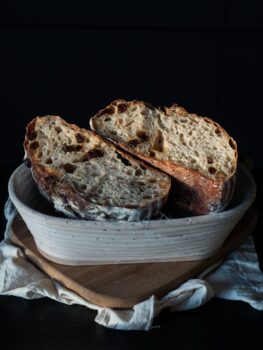
Bannetons generally come in two main materials: natural rattan and pulpwood. The choice between these materials depends on the type of bread and the humidity of the dough. For a rather moist dough, rattan is preferable as it provides better moisture absorption, which is crucial for the texture of the crust.
- Natural rattan: ideal for most traditional breads, facilitating aeration and the formation of a crispy crust.
- Wood Pulp: Often used for thinner doughs or specific bread styles like ciabatta, where a smoother surface is required.
Selection according to the shape and size of the bread
The shape of the banneton must correspond to that of the desired bread. Round bannetons are suitable for the classic boule, while oval ones are perfect for bastards or elongated breads. Each basket not only serves as a mold but also helps the dough maintain its structure during the final fermentation, called proofing.
It is also important to consider the size: a large banneton is suitable for doughs made for family loaves or special breads such as rye bread, while the smaller ones are reserved for more manageable doughs and for more cooking. fast.


Impact of banneton coating
The interior lining of the banneton, often linen or cotton, is essential to prevent the dough from sticking. This coating must be chosen carefully to facilitate unmolding without damaging the delicate shape of the bread. Linen is particularly prized for its robustness and its ability to remove moisture from the surface of the dough.
Ultimately, a professional equipped with a proper banneton is empowered to master the fermentation and shape of his or her bread, two elements which, when combined skillfully, culminate in the production of exceptional quality loaves that reflect the true spirit of homemade.
Pour Aller plus Loin…
Preparation and maintenance of banneton before use
Choice of Material and First Preparation
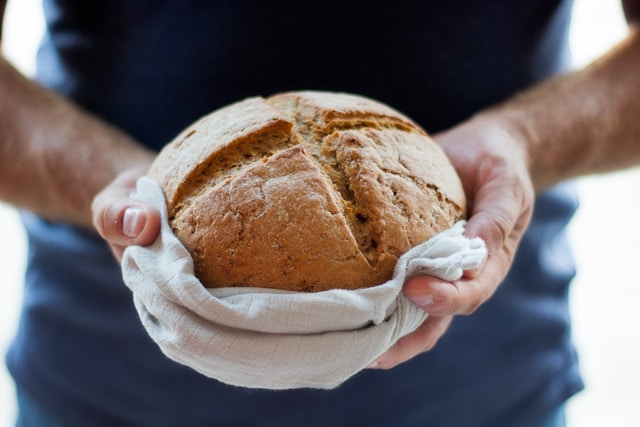
An essential factor in successfully preparing your banneton is the choice of material. Bannetons can be made of wicker, rattan or even covered with linen which guarantees perfect non-adhesion. Before the first use, it is essential to prepare your basket well. Start by brushing it lightly to remove residue and dust. A light dusting of flour, preferably organic to ensure the absence of contaminants, is recommended to form a protective layer so the bread does not stick.
Create an Ideal Ambiance for Fermentation
It is technical, but essential, to create a favorable environment for the fermentation of the dough in your banneton. Make sure your basket is placed in a place free from drafts and at a stable temperature. Humidity must also be controlled because an atmosphere that is too dry can dry out the dough and affect the quality of the bread. This helps ensure that the banneton imprint is clearly marked on the bread, adding a professional and traditional appearance to your homemade bread.
Cleaning After Use
After each use, the banneton should be properly cleaned to ensure its longevity. Remove all paste residue using a soft brush or dry cloth. It is important not to use water, as bannetons made from natural materials such as wicker and rattan can be damaged by humidity. In the case of mold or stubborn stains, a little diluted white vinegar can be applied occasionally. Then be sure to let the banneton air dry completely before storing it to avoid any mold buildup.
Optimal Conservation to Extend Shelf Life
To keep the banneton in optimal condition, correct storage is crucial. Store your banneton bread in a dry, well-ventilated place, away from extreme temperature variations. If you have several bannetons, avoid stacking them directly on top of each other without protection; instead, insert sheets of paper or linen cloth between each layer. This helps maintain their shape and avoid pressure which could deform the bannetons or alter their shaping properties.
Advanced techniques for home-cooking enthusiasts
For those looking to perfect their technique, intermittent use of a rice flour mixture may be beneficial. Rice flour does not stick, making it easier to unmold the bread without damaging the shape or texture of the crust. Another professional tip is to alternate the uses of your bannetons if you have several, in order to allow each piece to rest and maintain good general condition.
Detailed methods for efficient bread shaping
Dough Preparation: First Step Towards Successful Shaping
To obtain quality homemade bread, shaping begins as soon as the dough is prepared. It is essential to use high quality ingredients, such as organic flour, and to respect resting times. The consistency of the dough must be neither too firm nor too sticky, to allow easy and optimal modeling.
Artisan bakers often recommend the use of slow, prolonged kneading, either manually or using a mixer, to develop the gluten. This development is crucial, as it helps to structure the dough and give it elasticity, thus facilitating subsequent shaping.
Choice of Banneton: Impact on the Shape and Texture of the Bread
The banneton, a basket often lined with linen, plays a significant role in shaping bread. It helps maintain the shape of the dough during the final rising phase, while contributing to the formation of a rustic and attractive crust. The choice of banneton depends on the type of bread you want to make. For example, a round banneton is ideal for country bread balls, while a long banneton makes it easier to make baguettes or bastards.
It is important to flour the banneton well before each use to prevent the dough from sticking to it. One technique is to use a mixture of rice flour and wheat flour, which ensures smooth release while preserving the desired appearance of the bread.
Shaping Techniques: Mastering the Art for Perfect Bread
The actual shaping is a crucial step that requires dexterity and precision. Depending on the desired shape, different methods can be used. For a traditional loaf, you generally stretch the dough into a ball by folding the edges toward the center, then turning the dough on itself to create surface tension.
For more elaborate breads like ears of wheat or crowns, specific cutting and twisting techniques are necessary. These methods not only influence the aesthetics of the bread but also its texture and crust.
Shaping must be done carefully to avoid completely outgassing the dough, as gases contribute to the honeycomb texture of the bread. Too much pressure during shaping can compromise the lightness and volume of the final loaf.
The importance of Rest and Fermentation
After shaping, it is crucial to let the dough rest in a warm, humid place to allow proper fermentation. This rest allows the dough to gain volume and aromas, characteristic of homemade breads. Too low a temperature or a draft can slow down this process and affect the quality of the bread.
Finally, the resting time depends on the type of paste and the desired effect. For example, longer times at lower temperatures promote the formation of more complex flavors while shorter rests at higher temperatures accelerate rising while remaining limited in flavors.
Each step in shaping artisanal bread must be executed with precision and care. From the selection of raw materials to fermentation, including the choice of banneton and specific shaping techniques, every detail counts to obtain a high-quality finished product that will delight lovers of traditional and organic bread.
Tips for unmolding bread without damaging its shape
The Importance of Choosing Banneton
Using a suitable banneton is essential to maintain the desired shape of your homemade bread during the final rising stage. Opt for a professional bakery banneton made of wicker or rattan, as these not only maintain the structure of the bread but also give it a traditional aesthetic thanks to the spiral patterns they print. For organic fans, there are versions made from 100% organic materials which promote healthy and environmentally friendly fermentation.
Preparation and Maintenance of Banneton
Before the first use and between each shaping, make sure to prepare your banneton well. A light dusting of flour on the linen or directly on the wicker will help create a non-stick barrier. This step is crucial to prevent the dough from sticking and deforming during unmolding. It is also recommended to regularly clean the banneton using a brush to remove flour residue and guarantee perfect hygiene.
Mold Release Techniques
To unmold the bread without altering its shape, the technique used plays a key role. First, make sure the bread has risen sufficiently and its surface is not too wet. Dough that is too sticky can tear more easily when unmolding. Then carefully invert the banneton over the baking tray and let gravity do its work. It may help to lightly tap the bottom of the banneton if the bread does not come away immediately.
- Using the right flour for dusting
- Regular cleaning of the banneton
- Dough sufficiently risen before baking
Common Issues FAQ
Let’s take stock of some frequently asked questions regarding the shaping and unmolding of bread:
- What to do if bread still sticks after dusting with flour? In this case, slightly increase the amount of flour used or consider incorporating a little rice flour into your mixture, the latter having superior non-stick properties.
- How to prevent bread from deforming when unmolding? Controlled hydration of the dough and technical and precise shaping are essential. Also make sure that the banneton is large enough to allow the dough to expand without strain.
- Does the bread lack structure? Sometimes the type of flour used can affect the final structure of the bread. Choose flours with a higher gluten level for bread with better staying power.
Articles related to Shaping Techniques with a Banneton
-
The banneton: an essential tool for innovation in baking?
-
How to use banneton for crusty breads?
-
Beyond the banneton: what are the innovative kneading techniques?
-
What are the advanced techniques in using banneton?
-
How does banneton modernize ancestral techniques?
-
How to explore new flavors with a banneton?