


Bakery Recipes for Banneton Bread
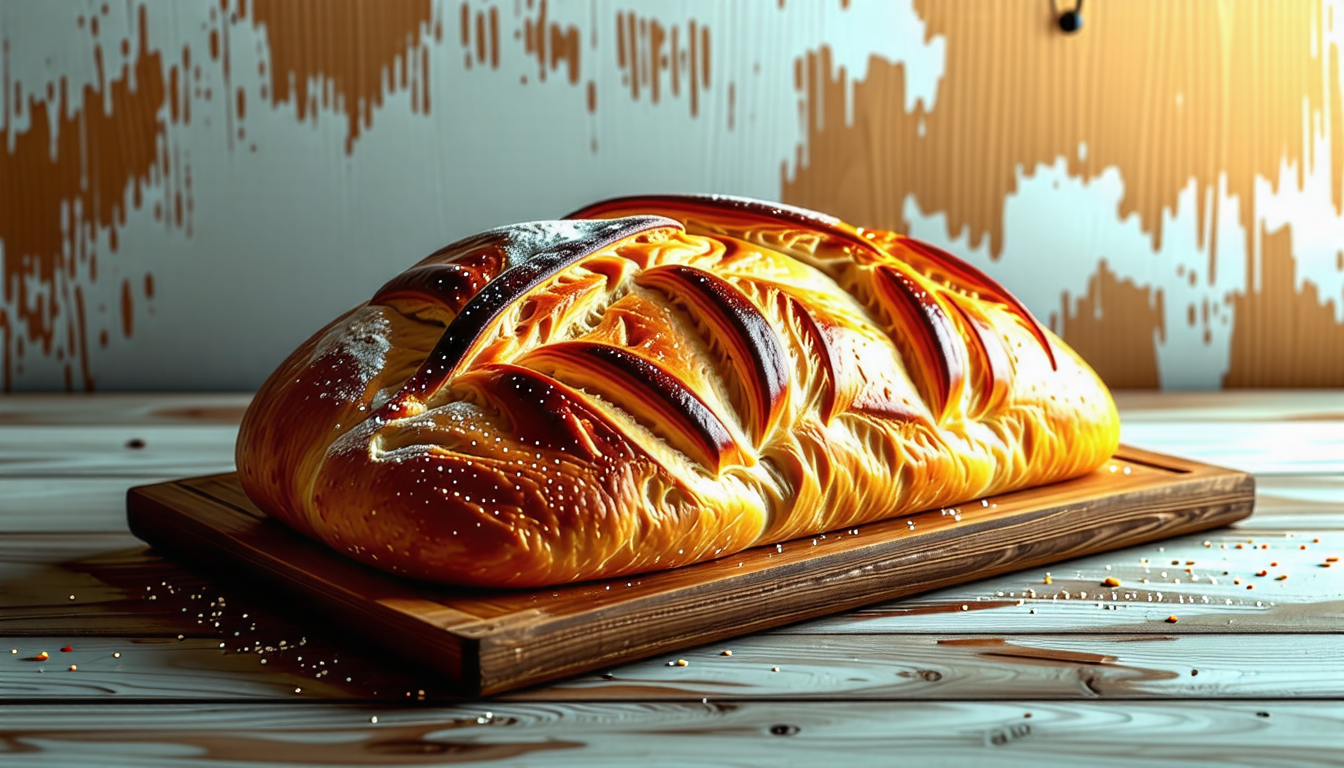

In this article, we delve into the heart of the art of baking by exploring recipes specifically suited to shaping banneton bread. Discover proven techniques and professional tips for making your breads with a crispy crust and an airy crumb, using the banneton, an essential tool for any artisanal bakery enthusiast. Whether you are a beginner or experienced, these recipes will allow you to master the use of banneton and bring a touch of authenticity to your homemade creations.
Preparing the Dough: Essential Techniques
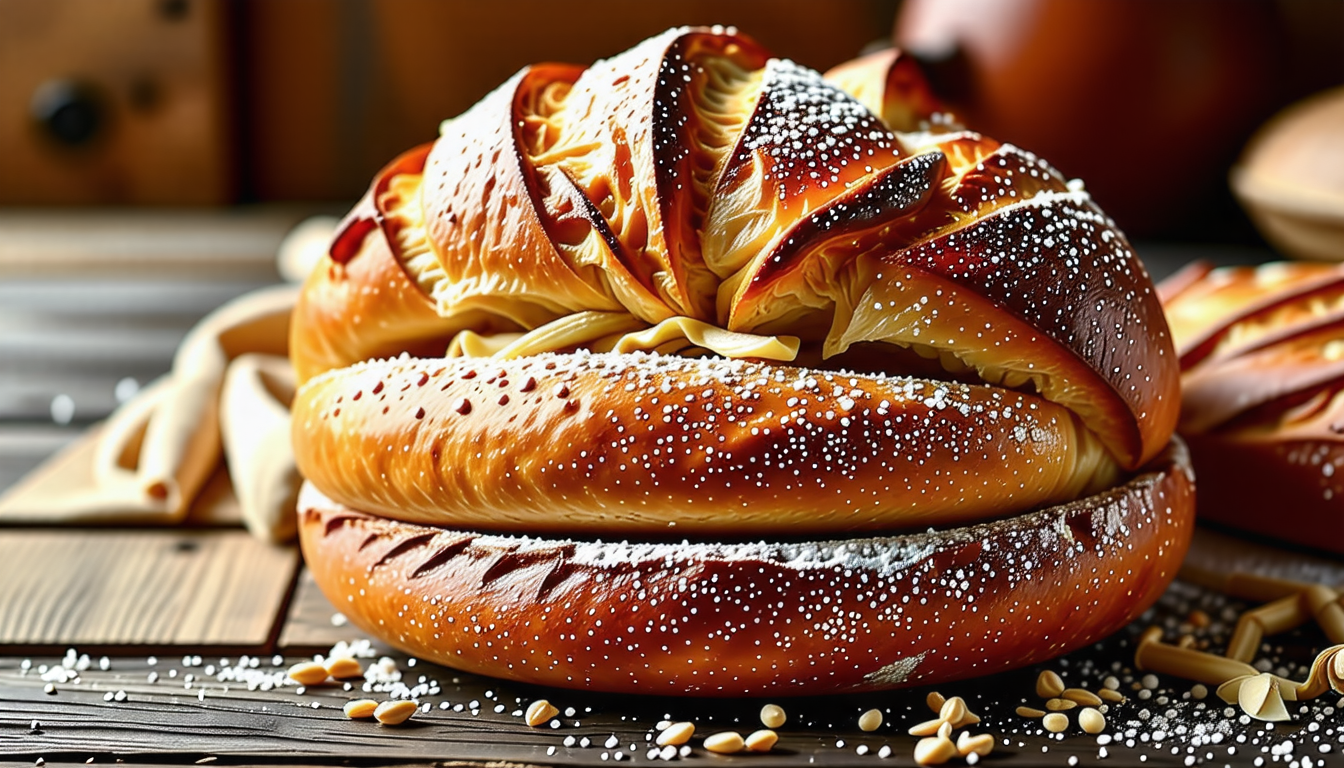
The Basics of Dough Preparation
The art of baking is based on mastery of dough preparation techniques. This technical process begins with the selection of quality ingredients. Flour, a central element, must be chosen carefully according to the type of bread desired. The use of organic flour is recommended to ensure the best quality homemade bread.
Water temperature, another crucial component, influences dough fermentation. Water that is too hot will kill yeast, while water that is too cold will slow their activity. It is professional to maintain the water at an optimal temperature that supports yeast activity without altering it.
Selection and Use of Yeasts
Choosing the right yeast is essential for the correct development of bread. Fresh yeasts are often favored for their ability to provide a more consistent rise and are ideal for traditional doughs. However, dry yeasts can be used for their long shelf life and ease of use.
The dosage of yeast must be precisely calculated according to the quantity of flour and the humidity of the baking environment, to allow homogeneous and regular fermentation of the dough.
Shaping and Resting the Dough
After the initial mixing, shaping the dough is a key moment. A banneton bread can be used to support the dough while it rests and give it a traditional, consistent shape. Resting the dough, or primary fermentation, allows the yeasts to work and the dough to develop its volume and texture.
The linen cloth often inserted into bannetons helps absorb excess moisture and prevent the dough from sticking to the banneton bakery, ensuring clean and professional unmolding.
Cooking and Oven Settings
Baking is the final step where the transformed dough becomes bread. The temperature and humidity of the oven must be carefully controlled. A traditional oven provides even heat which is essential to obtain a golden and crispy crust typical of homemade artisanal bread.
It is essential to preheat the oven to the correct temperature before putting the bread in. For breads requiring a well-developed crust, adding steam at the start of baking can help achieve this result.
Importance of Cooling
Once baked, the bread should be properly cooled on a rack to prevent condensation from softening the crust. This step is often overlooked but is crucial to maintain the crispy texture of the bread. Cooling also allows the flavors to set, enriching the taste experience of homemade bread.
Common Mistakes to Avoid
In preparing the dough, some common mistakes can compromise the quality of the bread. Inaccurately measuring ingredients, neglecting resting times, or incorrectly setting the oven temperature are among the most common pitfalls. Continuous learning of baking techniques and precise adjustment of parameters can greatly improve the quality of the bread produced.
Maintaining Tradition While Innovating
Respecting traditional methods while incorporating new techniques or innovative ingredients can enrich the range of breads available. The use of ancient grains, the integration of alternative flours or experimentation with different hydrations are avenues of innovation while remaining anchored in the baking heritage.
At the heart of the bakery, the preparation of dough is an art that requires precision, patience and passion. Each step, from the selection of materials to baking, plays a crucial role in producing professional quality and traditionally tasty bread.
Bread varieties to try with a banneton

The Magic of Traditional Banneton Breads
Shaping traditional banneton breads is an emblematic technique for obtaining bread with an authentic and tasty character. The basket, often covered in linen, gives a perfect structure and shape to the bread while helping to regulate the humidity of the dough. Among the popular varieties, country bread and wholemeal bread offer textures and flavors that appeal to the most demanding palates.
Exploration of Organic and Artisanal Breads
Cultivating the art of baking with organic ingredients is not only beneficial for health but also enriches the taste. The banneton, a key element in the preparation, is perfect for varieties such as sourdough bread and multigrain bread. These environmentally friendly breads are often sought after by those who favor a healthy and sustainable diet.
Diversity of Special Breads and their Banneton Making
Besides the classics, experimenting with breads with unique ingredients such as rye, spelt or embellished with nuts or dried fruits is fascinating. The banneton supports these mixtures by allowing the dough to maintain its shape while being characterized by a crispy crust. Each type of bread brings its own texture and flavor profile, expanding the horizons of traditional baking.
Shaping Techniques and Expert Tips for Using Banneton
Mastering banneton requires an understanding of the subtle interactions between dough, temperature and humidity. For professional results, ensuring that the banneton is well floured and that the dough is adequately hydrated is crucial. These practices not only prevent sticking but also promote ideal fermentation and rising, essential for successful homemade bread.
Integration of Banneton into Modern Bakery Culture
The use of banneton is not only reserved for professional bakeries; it also finds its place in domestic kitchens where the art of homemade bread takes shape. By adopting the methods of artisan bakers, we can transform a simple bread recipe into an exceptional creation, rich in taste and history. This approach renews interest in traditional baking methods while adapting them to a modern context.
Tips for caring for your banneton

Initial Cleaning of the Banneton
Before using a banneton for the first time, it is crucial to gently clean the basket to remove any manufacturing dust. A simple gentle brushing of the linen or the inside of the wicker basket will suffice. Avoid the use of water for this first cleaning in order to preserve the natural structure and durability of the banneton.
Regular Maintenance After Each Use
After each use, removing flour residue is an essential step. Use a soft-bristled brush to effectively remove caked-on flour and dough pieces. If particles are particularly stubborn, lightly tapping the banneton on a hard surface can help to loosen them. It is recommended to let the banneton air dry in a well-ventilated area before storing to prevent mold from forming.
Periodicity of Wet Cleaning
A deep cleaning may be necessary every few months, especially if you use your banneton frequently. A mild cleaning solution, such as a mixture of warm water and white vinegar, can be used to clean the interior of the banneton. Be sure to rinse the banneton well and dry it completely in the sun or in a dry, warm place to remove any residual moisture.
Tips to Avoid Common Problems
To avoid the development of mold and deterioration of your banneton, never wash your banneton in hot water or in a dishwasher. Additionally, avoid storing your banneton in high humidity or unventilated environments. For those who use their banneton frequently, storing it in a dry, ventilated place guarantees better longevity.
Use of Appropriate Accessories
Using an organic linen fabric can greatly facilitate the maintenance of the banneton. The canvas can be removed and washed separately, keeping the banneton clean without direct exposure to water. It is advisable to have a spare cloth to continue making your homemade bread while the other cloth is in the wash.
Odor and Freshness Management
For those who observe an unpleasant odor or mold, cleaning with diluted essential oils (such as lemon or lavender oil) can help freshen up the banneton. Application should be minimal to avoid saturating the material. After processing, allow the banneton to air dry completely.
By incorporating these maintenance practices into your routine, your banneton will remain a valuable and durable tool for creating traditional homemade breads. With proper care, banneton will contribute to the success of your yeast doughs and the authenticity of your artisanal breads.
Inspiration and creativity in the use of banneton
The Fundamentals of Bannetons in Bakery
In baking, the banneton, also known as the bread basket, plays a crucial role in making quality bread. This traditional tool is not just a container, but a real ally for the baker in creating breads with the ideal texture and shape. Most often made of wicker or sometimes plastic, these baskets are lined with a linen or cotton cloth which helps absorb moisture from the dough while maintaining its shape during the final fermentation.
Used mainly for soft doughs such as those of traditional French breads, the banneton provides structuring support while allowing the dough to breathe. Thanks to its design, the dough develops a slightly dried crust which facilitates the formation of beautiful grignes during baking, making each loaf visually unique and appetizing.
Choice and Maintenance of Bannetons
When selecting a banneton, several factors should be considered to ensure the best baking experience. The size and shape of the banneton must correspond to the type of bread you want to make. For example, a round banneton is ideal for country bread balls, while a long model is better suited to baguettes or bastards. It is also essential to choose quality materials that do not retain odors or mold.
Maintaining bannetons is just as important to preserve their effectiveness and durability. After each use, it is recommended to remove excess flour and let the banneton air dry, thus avoiding the formation of mold. Occasionally, gentle brushing may be necessary to remove embedded paste residue. However, the use of water must be limited so as not to alter the integrity of the linen fabric and the wicker or plastic structure.
Shaping Techniques with a Banneton
Shaping the dough is a delicate step that requires technique and precision, especially when done with a banneton. Before placing the dough in the basket, it is advisable to generously flour the linen or cotton cloth to prevent the dough from sticking to it. The dough must be placed face down in the banneton, so that when the bread is unmolded for baking, the upper side is the one that was in contact with the banneton, thus providing a rustic and artisanal appearance typical of traditional breads.
The resting time in the banneton varies depending on the type of dough and can last from a few hours to overnight, depending on the recipe and the room temperature. This resting time not only allows the dough to develop its aromas, but also to take the desired shape, thus creating the crisp texture and airy crumb that we look for in quality homemade bread.
Impact of Organic Materials in the Manufacturing of Bannetons
Using organic materials to make bannetons has become a preference for many artisan bakers. The choice to use natural materials such as wicker and linen is not only a question of tradition, but also an eco-responsible approach. These renewable and biodegradable materials help reduce the bakery’s ecological footprint while offering superior quality products.
In short, the banneton is an essential instrument for any baker wishing to perfect their art of homemade bread. By respecting traditional methods and choosing quality materials, it is possible to transform a simple dough into an artisanal masterpiece, loaded with flavor and texture.
Articles related to Bakery Recipes for Banneton
-
How to prepare sandwich bread with a banneton?
-
How to prepare sports bread with a banneton?
-
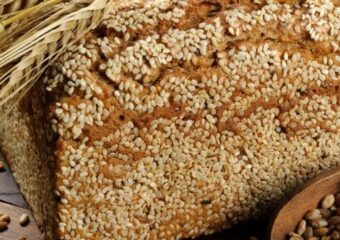
How to make a delicious recipe for sesame bread with banneton?
-
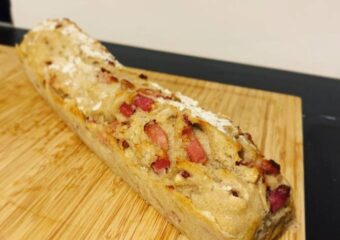
How to make delicious bacon bread with banneton?
-
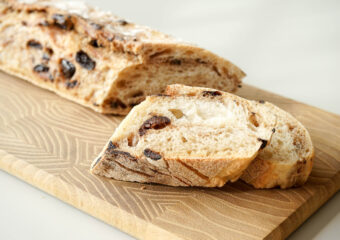
How to prepare delicious olive bread with banneton?
-
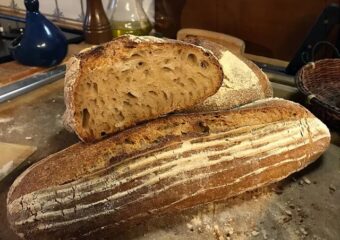
How to prepare a 1kg loaf with a banneton?