


Banneton: Types and Maintenance


In the exciting world of artisan baking, the choice and care of bannetons play a crucial role in producing superior sourdough breads. This article explores the different types of bannetons available on the market as well as the essential techniques for their maintenance, ensuring that every loaf you shape is not only delicious, but also aesthetically perfect. Let’s dive into the technical details that will make you an expert on bannetons and their care.
Different types of bannetons: materials and shapes
The Different Materials of Bannetons and Their Advantages

The choice of material for a banneton is crucial and directly influences the quality of homemade bread. Rattan bannetons are among the most common in professional bakeries. The rattan promotes good aeration of the dough and facilitates its development. Another popular material is wood, often appreciated for its robustness and aesthetic appeal. Plastic bannetons, on the other hand, offer a hygienic and easy-to-clean alternative, although they do not facilitate ventilation as much.
Furthermore, it is common to find baskets covered with linen or organic cotton. These coatings help absorb moisture from the dough, making it easier to shape and reducing the risk of the dough sticking to the banneton. Each material therefore has its specificities which can adapt to everyone’s preferences regarding the traditional bread shaping technique.
Shapes and Sizes Adapted to the Type of Bread
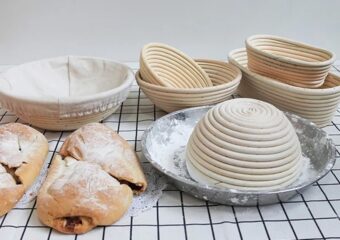
The shape of the banneton is another determining element that influences the configuration of the bread. The most common shapes are round or oval but there are also long models specifically designed for baguettes or ciabatta breads. The choice of shape will influence not only the aesthetics of the bread but also its baking.
The size of the banneton must correspond to the planned quantity of dough. A banneton that is too large or too small can affect the rise of the dough and, therefore, the final texture and quality of the bread. It is therefore essential to choose a banneton that corresponds to the specific needs of the recipe and the type of bread you wish to make.
Tips for Maintaining Bannetons
To preserve the quality and lifespan of your bannetons, a few maintenance steps are recommended. It is essential to let the basket dry thoroughly between each use to prevent mold from forming. Gentle brushing removes leftover flour and other residue. If the banneton is covered with canvas, the latter must be removed and washed regularly. It is also advisable to avoid soaking wood or rattan in water, which could deform or damage the banneton.
Periodically using a little rye flour before each use can also help create a natural barrier against moisture and adhering particles, making it easier to unmold the bread after rising.


Pour Aller plus Loin…
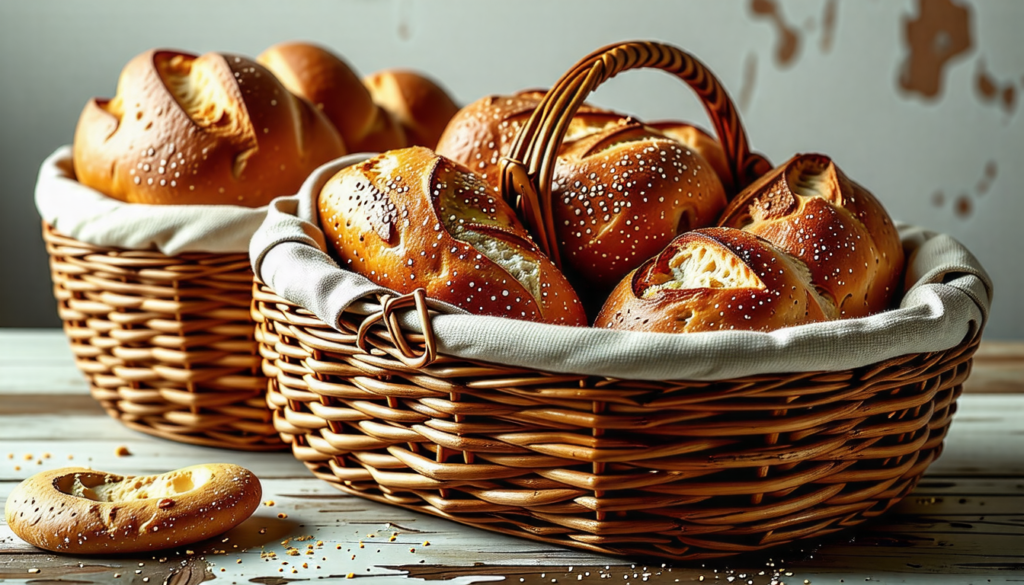
Essential techniques for cleaning and maintaining your banneton
Preparing the banneton before first use
Before integrating a new banneton into your baking routine, it is crucial to prepare it properly to guarantee the quality of your breads. Start with a light brushing to remove any residual particles. Then apply a thin layer of flour to create a protective barrier that prevents the dough from sticking during future uses. Preferably opt for wholemeal or organic flour, thus favoring a more traditional and healthy approach.
Regular cleaning for increased longevity
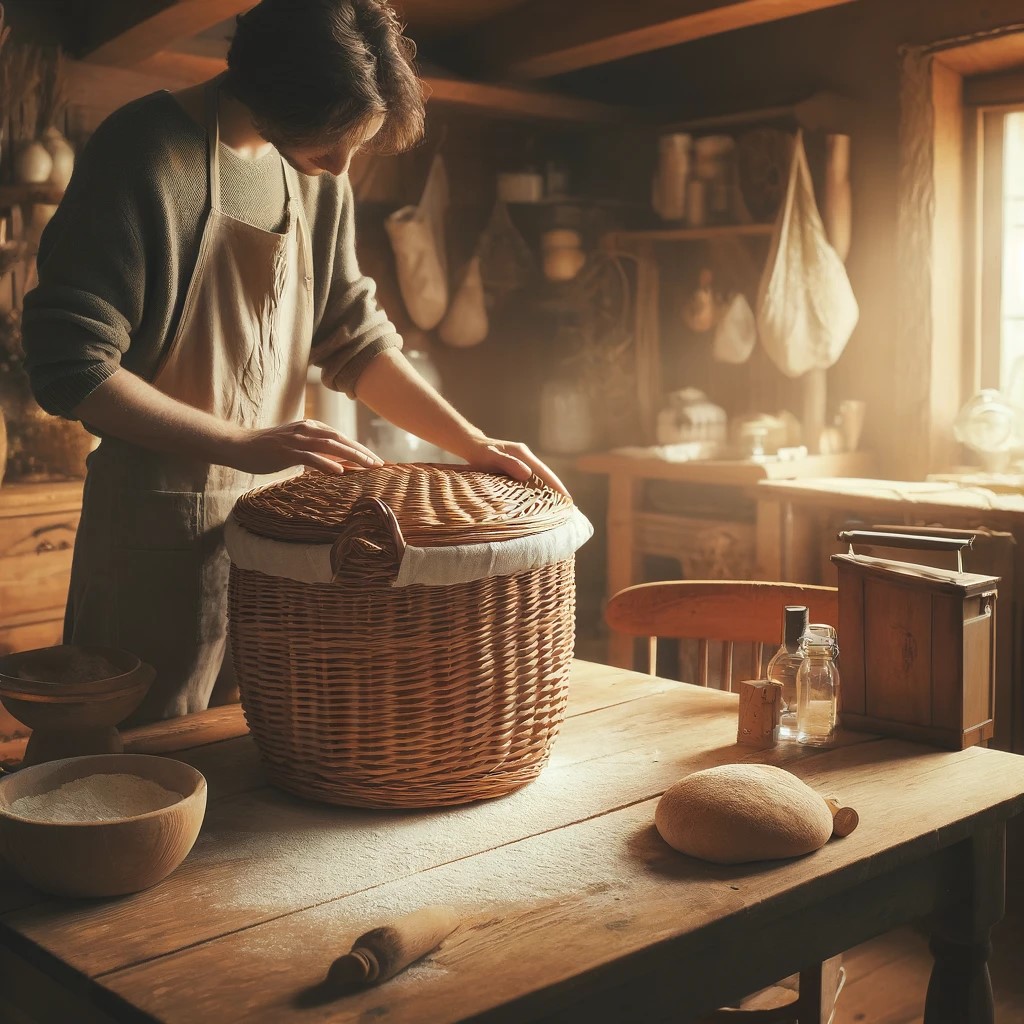
After each use, remove paste residue using a soft-bristled brush. It is crucial to carry out this cleaning while it is still fresh to prevent the dough from drying out and sticking to the banneton. If your basket is wicker or wood, avoid using water, as natural materials are likely to warp or develop mold. Sprinkling a little flour after each cleaning helps maintain a non-stick surface for future uses.
Disinfection without damaging the banneton
Disinfection plays an essential role, especially if you regularly work with wet dough or in a professional environment. However, the use of chemical agents is not recommended because they can alter the natural materials of the bannetons. An effective and safe method consists of exposing the banneton to the sun for a few hours, thus killing bacteria using natural UV rays. Make sure the banneton is completely dry before putting it back into use or storing it to avoid any mold growth.
Storage Tips to Preserve Shape and Quality
Properly storing your banneton is essential to maintaining its form and functionality. Store your basket in a dry, well-ventilated area to prevent moisture buildup. If possible, hang the banneton to prevent it from being crushed or warped under the weight of other objects. Wrapping the banneton in linen can also help maintain its optimal condition by protecting it from dust and other airborne contaminants.
Alternative methods for frequent users
For bakers who use their bannetons frequently, it may be practical to install a more intensive maintenance routine. Periodically adding a thin layer of flour or even using linen as a liner can simplify the cleaning process. Additionally, the canvas can be easily washed between uses, ensuring cleanliness without compromising the integrity of the banneton.
By following these tips, you will ensure that your banneton remains in ideal condition for making homemade bread. This not only illustrates your commitment to the artisan baking tradition, but also increases the efficiency and durability of your professional tools.
Pour Aller plus Loin…
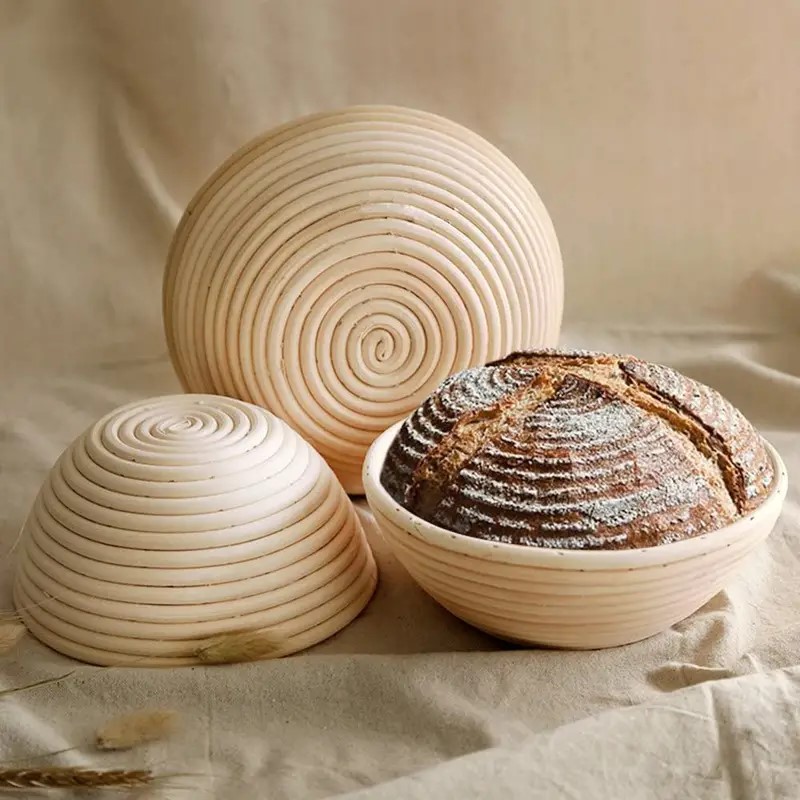
Prepare the banneton before use
The Selection and Initial Processing of Banneton
When venturing into the art of artisanal baking, using a proper banneton is essential. The banneton, a basket used to give shape and support to bread during its final fermentation, exists in different materials such as rattan or linen. It is crucial to choose a model adapted to the type of bread you want to make, whether baguettes, boules or batards.
Before the first use, it is recommended to carry out basic treatment. This process involves lightly moistening the banneton and dusting it generously with flour, preferably rye, to coat the internal fibers well. This step creates a non-stick barrier between the banneton and the bread dough.
Creating a Non-Stick Environment
To prevent the dough from sticking to the banneton, it is crucial to use flour sufficiently and regularly with each use. Rye flour is often favored for its effectiveness in preventing adhesion, but rice flour is an interesting alternative for even more robust protection. Before each use, be sure to brush any remaining dried dough from the banneton and dust again with flour.
Some people prefer to add a linen cloth to the banneton, which makes it easier to remove the dough. The canvas must also be well floured to maintain the effectiveness of its non-stick role.

Maintenance and Regular Care
To extend the life of the banneton, proper maintenance is necessary. After each use, it is imperative to remove excess flour and let the banneton dry in the open air, thus preventing the formation of mold. Further cleaning may be necessary from time to time, using a soft brush and lukewarm water without soap, to preserve the natural properties of the banneton.
It is not recommended to wash the banneton with plenty of water or put it in the dishwasher, as excessive humidity can damage the natural fibers and alter the shape of the basket.
By following these techniques and care tips, homemade bread lovers can ensure their banneton stays in tip-top condition, ready to transform each dough preparation into a beautiful, artisanal loaf. This not only contributes to the quality of homemade bread, but also enhances the pleasure of traditional baking at home.
Pour Aller plus Loin…
Common Mistakes to Avoid When Using Bannetons
Inadequate choice of banneton material
A banneton can be made from a variety of materials, including natural rattan, plastic, or molded linen. Each material has its specific properties which influence the final result of the bread. Natural rattan is highly prized for its ability to absorb moisture, ensuring a crispy crust. However, a common mistake is to use a plastic banneton, which is less able to absorb moisture, which can result in less crispy bread. Selecting the right material for your specific baking needs is crucial to achieve the best results.
Neglect of banneton pre-conditioning
Before the first use and periodically thereafter, it is essential to prepare the banneton by coating it with a thin layer of flour to prevent the dough from sticking. Omitting this step can lead to the frustration of seeing your dough stick to the banneton, ruining not only the shape of the bread but also its texture. A well-conditioned banneton makes it easier to unmold the dough and improves the structure and appearance of your homemade bread.
Excessive use of flour
Although flour is necessary to prepare the banneton, overapplication can alter the quality of the crust of the bread. An excessive coating of flour dries out the surface of the dough, which can prevent the bread from developing a colorful, crisp crust. It is recommended to sift a light, even layer of flour onto the banneton before each use.
Improper washing of banneton
Bannetons must be cleaned carefully to avoid compromising their structural and functional integrity. The most common mistake is washing bannetons made of natural fibers, such as rattan, with hot water or detergents, which can deform them and damage the fibers. The ideal cleaning is to brush off flour residue and dry the banneton in a ventilated area, away from direct humidity.
Lack of awareness of the importance of size and shape
Choosing the wrong size or shape banneton for the type of bread you want to make can result in uneven or inappropriately shaped loaves. It is essential to select a banneton adapted to the volume and shape of the dough. For example, a round banneton is ideal for boule breads, while a long banneton is better suited for baguettes or bastards. Correct sizing of the banneton is crucial to obtaining a traditional and professional bread every time.
Articles related to Types and Maintenance of Bannetons
-
What is the ideal size for a banneton?
-
How to make your banneton?
-
What is banneton flour and how to use it to make your breads successful?
-
How to use a banneton when you are a beginner?
-
What equipment should I use for a banneton bakery?
-
Why choose a banneton for your homemade bread?