


Why use a Bakery Banneton?


Discover now how bakery bannetons can transform your home breadmaking experience. Used by professionals to achieve the perfect shape and desired texture of bread, these essential utensils aren’t just for artisans. Explore their crucial role in fermenting and maintaining dough structure, and why every baking enthusiast should consider incorporating them into their bread-making process.
Improve Bread Texture and Shape

Bread shaping is an art that requires precision and dedication, and one of the key tools in this process is undoubtedly the banneton. Traditionally used by bakers to support dough during the final rise, this basket is not just a container, but a crucial element that influences the texture and shape of the final product. Understanding its usefulness and knowing how to use it correctly can greatly improve the quality of homemade bread.
Choosing the Appropriate Banneton
Selecting the ideal banneton is based on several criteria, including size and type of material. Bannetons are mainly made of rattan or plastic, each with specific advantages. Rattan models, often covered with linen fabric, allow better moisture absorption, which is crucial for a crispy crust and an airy crumb.


Preparing the Banneton Before Use
Before placing the dough in the banneton, it is essential to prepare it correctly to prevent the dough from sticking. This is often achieved by sprinkling a thin layer of flour onto the basket liner. For purists, using rice flour is recommended due to its superior non-stick properties. This step not only ensures that the bread releases easily, but also helps create an ideal surface texture.
Impact of Banneton on Dough Rising
The use of a banneton during the final rising phase plays a determining role in developing the structure of the bread. The shape of the banneton helps the dough maintain its shape and develop surface tension, a crucial element in obtaining good volume and a honeycomb crumb. In addition, the spirals or openwork patterns of the banneton can imprint a pleasant aesthetic on the crust, combining functionality and style.
Tips for Maintaining Banneton
Maintaining your banneton is simple but essential to guarantee its longevity and hygiene. After each use, remove excess flour with a soft brush and allow the banneton to air dry. It is not recommended to wash rattan bannetons in water, as they can become brittle and lose their shape. Proper maintenance ensures that the banneton remains a professional and functional component of home baking.
Types of Bread Optimized by the Use of a Banneton
While banneton is versatile and can be used for a variety of breads, some particularly benefit from its use. Breads with high hydration, such as ciabatta or country bread, find in the banneton the ideal environment to maintain their shape during rising without flattening, which would be inevitable without such a support.
In conclusion, adopting banneton into your homemade bread making process not only enriches the texture and shape of your creations, but also reinforces traditional baking techniques. Its use, if properly mastered, can transform a simple hobby into a real passion for crafting bread.
Pour Aller plus Loin…

Optimization of the Fermentation Process

Primary role of bannetons in artisanal fermentation
The banneton, an essential instrument in the basket of artisan bakers, proves to be a precious ally in the fermentation of bread. Traditionally used to maintain the shape of bread during its final rise, its contribution goes well beyond simple structural maintenance. Indeed, the characteristics specific to banneton, often made from natural materials such as rattan, facilitate adequate ventilation and provide an ideal microclimate for the dough to grow. This basket, sometimes lined with organic linen, provides not only support but also humidity management favorable to optimal development of the aromas and texture of homemade bread.
Choice of material and impact on fermentation results
The choice of banneton material is crucial and directly influences the quality of the bread. Rattan variants are popular for their ability to absorb moisture, helping to form a crispy crust. Plastic models, less traditional, offer a hygienic and easy-to-clean alternative. However, for fans of homemade products concerned about the environmental footprint, bannetons made of natural fibers such as rattan or wood are preferable due to their durability and reduced ecological impact.
Preparation and maintenance of banneton for optimal fermentation
To fully exploit the capabilities of the banneton, adequate preparation is required. Before the first use and after each use, it is recommended to clean the basket thoroughly with lukewarm water and allow it to air dry. The objective is to preserve the quality of the material and avoid any contamination of the paste. Furthermore, lightly dusting the banneton with flour before each use minimizes the stickiness of the dough and makes it easier to peel off, while helping to create a beautiful floured texture on the finished bread.
Impact of shaping techniques on banneton fermentation
Shaping the dough before putting it in banneton is a decisive technical step in the success of fermentation. Precise shaping not only gives an aesthetic shape to the bread but also distributes tension evenly throughout the dough, which promotes even rising. Shaping methods vary depending on the type of bread and the desired result; mastering these techniques allows you to optimize the use of banneton and significantly improve the quality of the final product.
Type of bannetons and their specificity in the fermentation process
There are different shapes of bannetons, each suited to specific types of bread. Round bannetons are ideal for balls of bread while oval ones are perfect for elongated loaves like bastards. Using the correct shape helps maintain the structural integrity of the bread during fermentation and baking. For discerning professional and amateur bakers, selecting the right banneton according to the recipe and desired shape is a key step toward mastering the traditional baking art.
Pour Aller plus Loin…
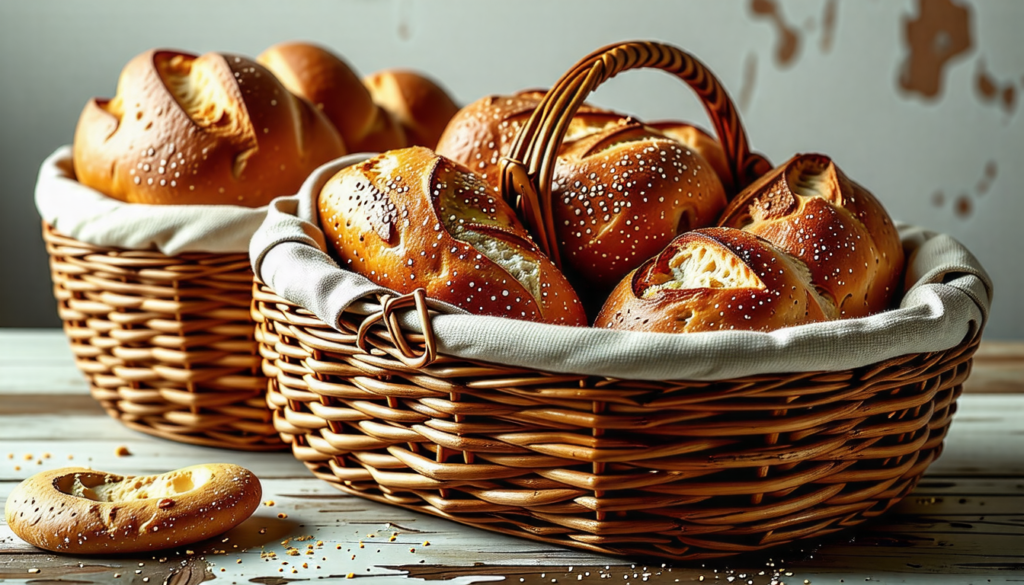
Choosing the Right Banneton for Your Needs
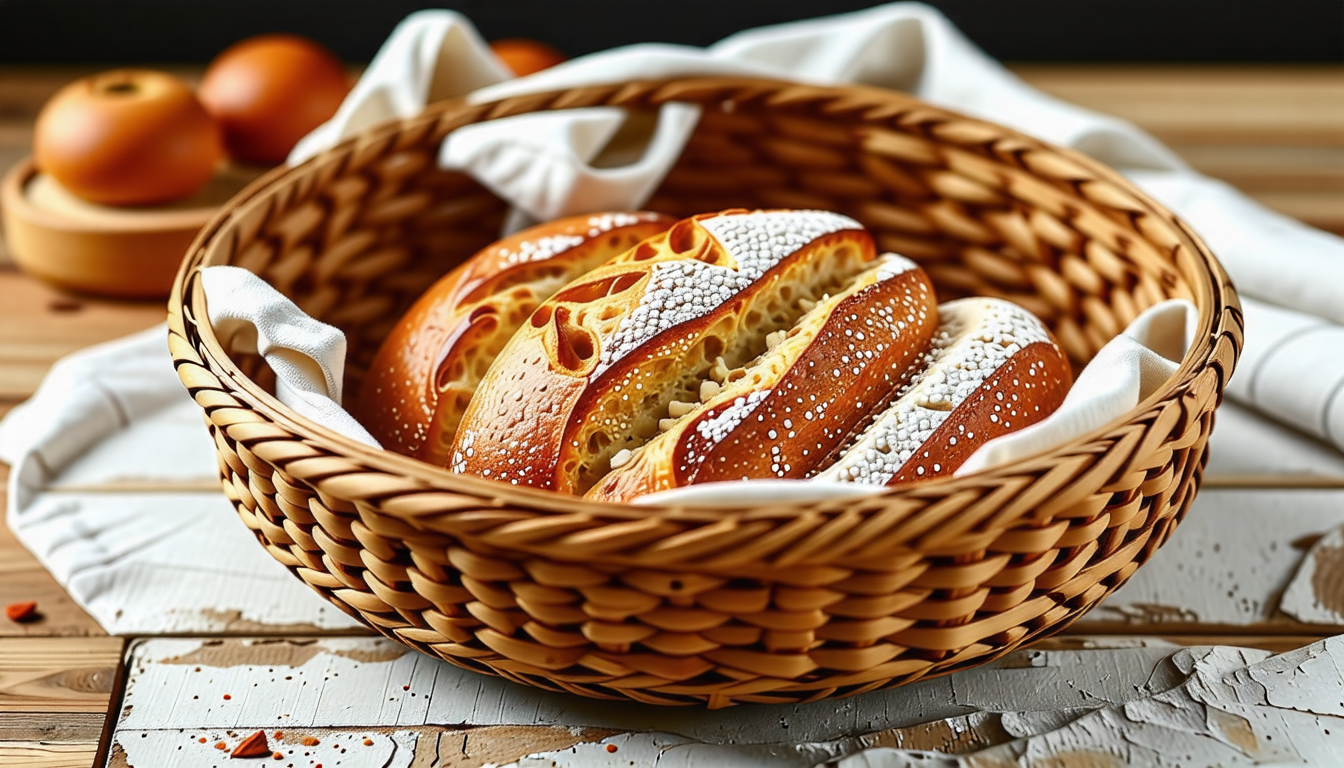
What is a Banneton and Its Importance in Traditional Bakery
A banneton, often called a proofing or bread basket, categorized as a must-have tool for every professional and amateur baker, is primarily used to support the dough as it rises before baking. Typically made of rattan, wood, or covered with organic linen, this accessory allows the dough to maintain its shape, while absorbing surface moisture, which contributes to the formation of a perfect, crispy crust .
The Different Types of Bannetons and Their Specificities
There are mainly two shapes of bannetons: round and oval, each shape giving a specific character to the homemade bread. Round baskets are often used for traditional boules, while oval ones are perfect for bastard style loaves. Beyond shape, materials also vary: rattan bannetons are valued for their sturdiness and ability to help create a distinct spiral pattern on the finished loaf, while those made of linen promote better moisture absorption.
Choosing the Right Banneton Based on Your Needs
- Determine the size of your banneton: The size should be chosen based on the volume of dough you plan to ferment. A general rule of thumb is that the banneton should be able to hold dough that is approximately 1.5 times larger than its original volume after kneading.
- Consider the type of bread: If you are a fan of rustic, thick breads, a rattan banneton would be ideal. For breads with a softer crust, opt for a model with linen cloth.
- Frequency of use: For frequent use, choose a high quality banneton which will resist wear better.
Maintenance and Precautions for Use of Bannetons
Maintaining the quality of your banneton is essential to guarantee the stability of the fermentation of your breads. It is recommended to clean your banneton regularly with a soft brush to remove flour residue. Avoid washing it with water frequently, as humidity can deteriorate the natural fibers of the basket. After cleaning, allow it to air dry completely before storing to prevent mold and mildew.
Integration of a Banneton into the Homemade Bread Making Process
Using a banneton during fermentation is not just about holding the dough. It also plays a crucial role in adding a distinct texture and aesthetic to bread. Before each use, lightly dust the banneton with flour to prevent the dough from sticking. This also adds a nice floured finish to the bread. Next, place the dough in the banneton seam side up, turning it before baking so that the seam is on the bottom, giving the bread its final attractive and traditional appearance.
Choose your Reseller wisely
Opting for a reputable supplier is crucial to ensuring the quality of the banneton. Look for sellers who offer certified organic products made in accordance with artisanal baking traditions. Reviews and testimonials from other baking professionals or amateurs can also guide your choice towards the best products available on the market.
Pour Aller plus Loin…
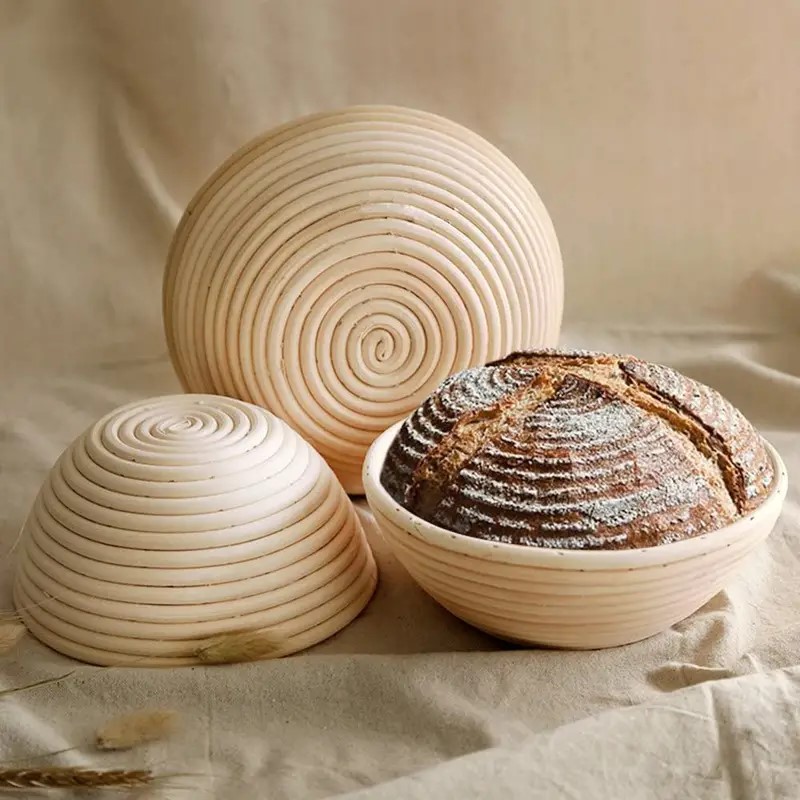
Maintenance and Lifespan of Bannetons
Initial Care of Bannetons
To ensure the longevity and effectiveness of your bannetons, it is crucial to prepare them before their first use. Start by brushing them lightly to remove any wood or fiber residue. It is recommended to apply a thin layer of flour to protect the banneton and make it easier to unmold the bread. This process creates a natural barrier and prevents the dough from sticking, thus reducing damage to the basket material during unmolding.
Cleaning After Each Use
After unmolding your bread, let the banneton dry completely in the open air. Once dry, use a stiff brush to remove any leftover flour and possible dough residue. Avoid the use of water for cleaning, as humidity can damage the natural fibers of the banneton and encourage the formation of mold. For stubborn stains, a little rice flour can be sprinkled before brushing to absorb moisture and make cleaning easier.
Proper Storage to Preserve Shape
Storage plays an important role in preserving the shape and structure of bannetons. Store them in a dry, ventilated place. Avoid confined, damp spaces such as under the sink or in a closed box. Good air circulation prevents moisture buildup and mold growth. Hanging bannetons or placing them in an open shelf are ideal options for maintaining their shape and quality.
Dealing with Mold Problems
If mold develops, it is essential to treat the problem quickly to save the banneton. Remove the mold with a brush and expose the banneton to the sun, which is a natural antibacterial. If the contamination is severe, a mixture of white vinegar and water can be used to clean the banneton, followed by drying thoroughly in the sun. However, this method should remain a last resort so as not to alter the natural structure of the banneton.
Renewal of Flour Protection
It is advisable to renew the protective flour layer regularly. Before each use, make sure the banneton is completely dry, then sift a thin layer of flour over the entire surface. This practice is not only hygienic, but it also helps maintain the integrity of the linen cloth or natural fibers of the banneton, thus ensuring better longevity and making the bread easier to unmold.
Inspection and Replacement
Despite meticulous maintenance, replacing bannetons is sometimes necessary. Inspect your bannetons regularly for possible signs of deterioration such as deformation, broken fibers or excess encrusted residue that can no longer be cleaned. A well-maintained banneton can last for several years, but timely replacement is crucial to ensuring the consistent quality of homemade bread.
Following these maintenance techniques not only extends the life of your bannetons, but also ensures the quality and safety of your homemade breads. This type of professional treatment always ensures traditional and organic results, without compromising health.