


Maintaining your Bannetons Bread
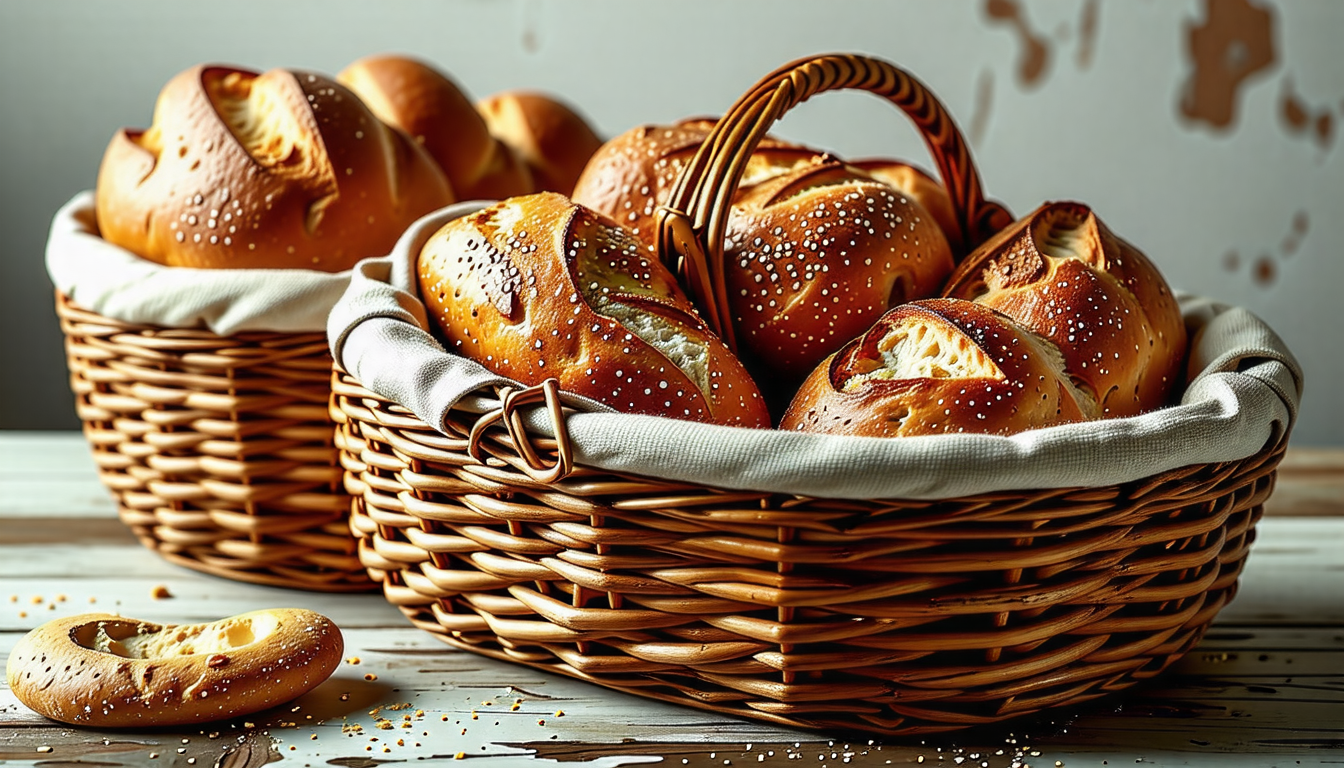

Welcome to the world of artisanal baking where every detail counts to obtain the perfect bread. Today we are going to focus on a crucial but often overlooked aspect: the maintenance of your bannetons. These bread molds, essential for shaping magnificent loaves, require special attention to guarantee always impeccable results. In this article, discover proven methods and expert tips for keeping your bannetons in excellent condition, so that each of your creations is not only tasty, but also presented in its most beautiful appearance. From cleaning to conservation, including specific tips to extend their lifespan, immerse yourself in the delicate art of maintaining your bakery tools.
Choice and Use of Bannetons for Bread
Identifying the Ideal Banneton
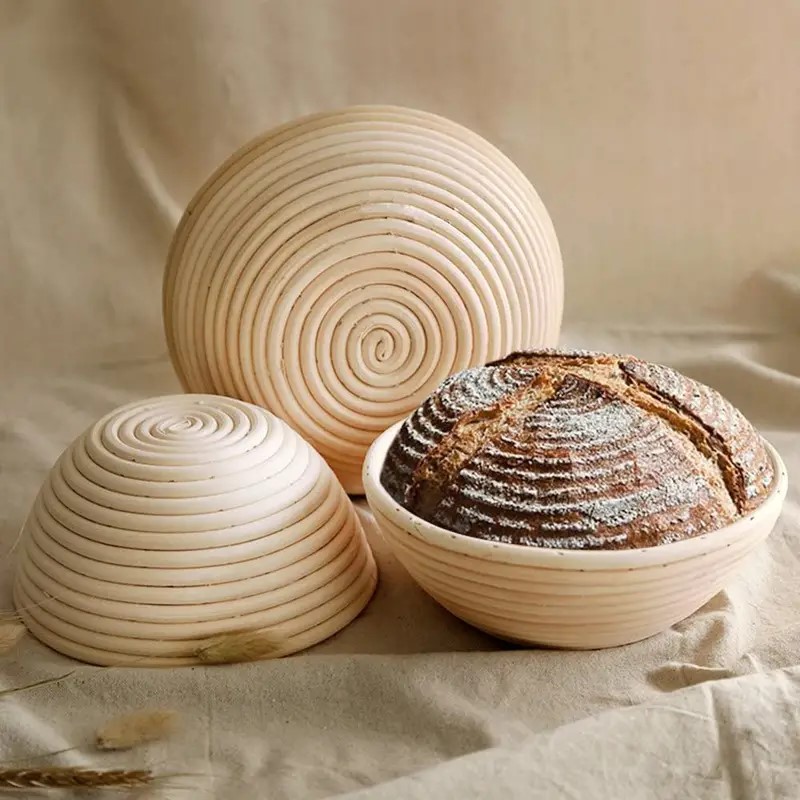
When it comes to selecting a banneton for professional baking, there are several criteria to consider. First of all, the constituent material of the banneton is essential. Wicker bannetons are highly appreciated for their robustness and their ability to maintain a stable temperature during fermentation. Alternatively, those made of plastic or wood can be considered for specific needs, particularly in terms of hygiene or conservation.
The size and shape of the banneton will directly depend on the type of bread you want to make. Round shapes are traditionally used for boule breads, while long bannetons are perfect for baguettes or bastards. It is essential to choose a banneton slightly larger than the dough to allow for adequate rising.
Preparation and Maintenance of Banneton
Before the first use, it is advisable to prepare the banneton by lightly moistening it and sprinkling it with flour. This action creates a non-stick barrier which makes it easier to unmold the bread after fermentation. Between uses, it is crucial to clean the banneton thoroughly to prevent mold from forming. Dry brushing is usually sufficient to remove flour residue.
It is not recommended to wash wicker bannetons with water, as this can damage the natural fiber and affect the structure of the bread. On the other hand, for plastic or wooden versions, wet cleaning can be considered if necessary, always making sure to dry the banneton well before storing it.
Optimization of the Use of Bannetons in Breadmaking
Using a banneton when making homemade bread not only improves the structure of the bread but also its aesthetics. The linen or cotton fabric that often lines the interior of the banneton helps absorb excess moisture and imprint delicate marks on the crust of the bread, providing a professional, traditional texture and appearance .
For fans of organic and homemade, choosing a banneton made with natural and sustainable materials is an important additional consideration. This not only ensures food safety, but also respect for the environment in accordance with sustainable practices.
When proofing the bread, covering the banneton with a damp cloth can help maintain necessary humidity. After the resting time, it is crucial to carefully invert the banneton onto a baking tray to transfer the bread, ready to be baked in your home oven, to achieve that much sought-after crispy and golden result.
Using a banneton when preparing homemade bread is part of an approach to promoting traditional methods while adopting a sustainable lifestyle.”


Pour Aller plus Loin…

Cleaning and Maintenance of Bannetons
Importance of Regular Cleaning of Bannetons
Maintaining banneton hygiene is crucial to guaranteeing the quality and safety of homemade bread. A well-maintained professional banneton not only preserves the shape and structure of the bread but also prevents the proliferation of bacteria and mold. These bakery utensils, often made from natural materials such as rattan or covered in linen, require specific care to extend their lifespan and maintain the integrity of the breads produced.
Post-Use Cleaning Techniques

After each use, remove excess flour using a soft brush specific for bannetons. The use of water should be avoided because humidity can damage the natural fibers of the basket and encourage the development of mold. For more stubborn residues, a small spatula can be used to gently dislodge them without damaging the surface.
Proper Drying and Storage
Once cleaned, the banneton should be air dried in a well-ventilated area. Avoid direct exposure to sunlight which could distort or damage the braiding. For storage, make sure the banneton is completely dry. Dry, cool environments are ideal for preventing mold from developing. Stacking bannetons on top of each other is not recommended as this may prevent air from circulating properly between them.
Odor and Mold Management
If odors or signs of mold are present, deeper cleaning may be necessary. Baking soda is a great choice for neutralizing unpleasant odors. A light sprinkling inside the banneton followed by wiping with a clean cloth may be enough to refresh the utensil. For mold, a mixture of white vinegar and water applied carefully can help disinfect without saturating the material.
Maintaining the Integrity of the Banneton Over the Years
To ensure prolonged use of your bakery bannetons, it is advisable to invest in suitable organic linen fabrics. These liners not only make it easier to unmold the bread but also protect the banneton against grease and other dough residue. By using them, it also becomes easier to maintain the canvas rather than the banneton itself, thus optimizing its use for creating traditional and artisanal breads at home.
Pour Aller plus Loin…
Mold and Odor Prevention
Identification and Understanding of Factors Promoting the Appearance of Mold
Mold thrives in humid, warm environments, conditions often found in kitchens where homemade bread is frequently prepared. Understanding these conditions is crucial to preventing mold from forming on your bannetons. Mold spores feed on organic matter such as dough residue found in banneton. Careful management of the humidity and temperature around your bannetons is therefore essential.
Effective Cleaning Strategies for Bannetons
After each use, it is imperative to clean your banneton thoroughly to remove any leftover dough as possible. Start by removing the dough fragments using a soft brush. Avoid the use of water, as residual moisture can encourage mold growth. If necessary, occasional cleaning with a slightly damp cloth followed by immediate and complete drying can be carried out. Positioning bannetons in a dry, well-ventilated area is also a recommended practice to avoid mold.
Using Linen Cloths to Protect Bannetons
Inserting a linen cloth into your banneton, in addition to ensuring that the dough does not stick, also helps prevent the appearance of mold and unpleasant odors. Linen fabric, a natural and breathable material, creates a barrier between the dough and the wood of the banneton while allowing sufficient ventilation. This method will add a layer of protection, limiting the accumulation of organic residues directly on the wood.
Choosing Appropriate Storage for Banneton
Selecting a suitable storage location for your banneton is fundamental to preventing humidity problems. A closed but well-ventilated cupboard, away from direct heat sources such as stoves or radiators, is a good choice. This type of storage protects the bannetons from direct exposure to light and humidity, while preventing the accumulation of odors and the growth of fungal spores.
Regular Inspection and Maintenance of Bannetons
Regular inspection of the condition of your bannetons is recommended. Look for signs of wear, dried dough residue, or the beginnings of mold growth. Proactive maintenance, including regular brushing and maintaining good ventilation, will extend the life of your banneton and ensure the hygienic quality necessary for preparing homemade bread. Thinking about replacing worn or stained linen can also help maintain optimal conditions.
Organic Alternatives for Odor Control
In addition to cleaning practices, using organic solutions can help control odors without compromising the quality of your bread. Ingredients like white vinegar or baking soda, diluted and applied briefly to the banneton, followed by rinsing and drying thoroughly, offer a natural alternative to neutralize odors. These ecological solutions respect the tradition of homemade bread while preserving the integrity of the wicker or wooden basket.
Pour Aller plus Loin…
Lifespan and Optimal Conservation of Bannetons
Bannetons, essential elements in the art of professional baking, require particular attention to maximize their lifespan and preserve the quality of homemade bread. Used to maintain the shape of bread during the rising phase, these baskets contribute to the final impression of texture and patterns on the crust. Understanding how to maintain them effectively is therefore crucial for any baker wishing to respect traditions while guaranteeing quality products.
Choice of Material and Impact on Longevity
Bannetons can be made from a variety of materials, each affecting their durability differently. The most traditional, made of rattan or willow, offer excellent aeration, which is essential for good fermentation of bread. These natural materials are valued for their ability to absorb moisture, reducing the risk of mold. Alternatively, linen or synthetic fiber bannetons, although less common, can also be considered for their ease of cleaning and resistance to biological degradation.
Cleaning Procedures for Optimal Conservation
Regular cleaning of the banneton is essential to prolong its use. After each use, it is recommended to remove flour residue using a soft brush, avoiding the use of water which could impregnate the wood and encourage the formation of mold. For deep maintenance, exposure to sunlight for a few hours can help eliminate accumulated bacteria, while preserving the integrity of the basket weave.
Ideal Storage of Bannetons
Properly storing bannetons is just as crucial as cleaning them. They should be kept in a dry, well-ventilated place, away from direct sunlight and excess humidity. Stacking bannetons when completely dry can save space, but it is recommended to arrange them so that air circulates freely around each one, preventing the development of mold or other organic decay.
Frequency of Renewal of Bannetons in Bakeries
How often to renew a banneton depends greatly on its use and maintenance. On average, a well-maintained banneton can last several years, but it is recommended to replace it as soon as signs of fatigue or deterioration become evident. This will guarantee not only the health quality of your breads but also their aesthetic appearance, essential in the production of artisanal breads.
Investing in quality bannetons and respecting their conservation specificities are professional practices that have a positive impact on the quality of traditional bread. Each step, from selection to storage, plays a crucial role in achieving organic and excellent products at home.