


Using the Banneton Bakery
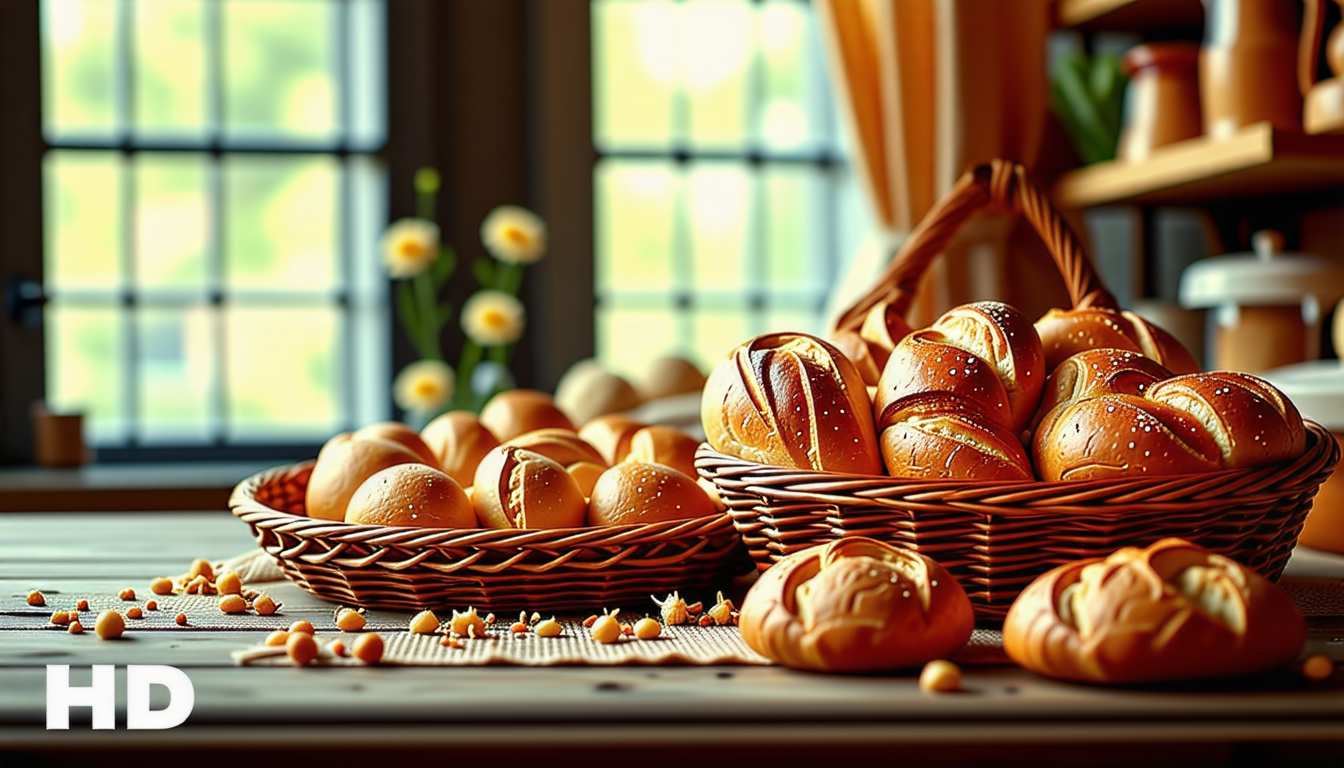

In the delicate art of baking, the banneton plays an essential role in shaping and perfectly preparing the dough before baking. This article explores in depth the techniques and benefits of using banneton, detailing how it helps improve the texture, shape and taste of bread. Whether you’re an experienced artisan or a beginner enthusiast, understanding the role of the banneton will help you take your baking skills to the next level.
Preparation and maintenance of banneton in bakery

Choice and Initial Preparation of Banneton
Selecting a suitable banneton is essential for any baker wishing to excel in making homemade bread. Get a banneton made of natural materials such as rattan or with organic linen, which promote good aeration and absorption of moisture from the dough. Before the first use, it is advisable to sprinkle it generously with flour to create a protective layer between the bread and the wood or fabric. This step ensures that the dough does not stick during the fermentation and shaping phases.
If the banneton is new, you can reinforce this first flouring by letting flour rest in it for a few days. Shake off the excess before framing your first dough. It is also a good idea to use a rye flour for flouring, as it contains less gluten and will not penetrate the fibers of the banneton as easily as wheat flour.
Daily Use of Banneton in Bakery
In daily use, maintaining the banneton is quite simple but requires attention to ensure the quality and longevity of the product. After each use, it is crucial to brush off any dough and flour residue using a soft brush. Avoid the use of water for cleaning as moisture can damage the banneton and encourage mold to form.
For those who regularly make bread at home, it can be helpful to have several bannetons of different sizes and shapes. This allows you to vary the styles of bread, whether round, long or specific to certain traditional recipes.


Drying and Proper Storage
Drying is a critical step after each use of the banneton. Make sure the banneton is completely dry before storing it. A ventilated, dry place, away from temperature variations and humidity, is ideal. Hanging bannetons in a well-ventilated area can also prevent the buildup of dust and other contaminants.
It is recommended never to expose them directly to heat sources such as direct sunlight or near a lit oven, as this could deform the wood or canvas and alter the shape of the banneton.
Preventive and Regular Maintenance Measures
In addition to daily cleaning, preventative maintenance should be considered to keep bannetons in good condition. Once a month, inspect them for any signs of wear or damage. A little brushing with a salt water solution can help prevent mold growth without saturating the banneton with moisture.
Finally, an often overlooked but vital point: the prohibition of using aromatic substances or scented soaps during cleaning. These products can impregnate the banneton with odors which could alter the natural aromas of artisanal bread. A natural and gentle approach is always preferable to preserve the purity of your homemade bakery creations.
For all baking professionals and home-made bread enthusiasts, compliance with these maintenance steps guarantees that each banneton can produce high-quality breads, with a texture and taste that meets the standards of the art. traditional baker.
Pour Aller plus Loin…
Bread shaping techniques with a banneton

Preparation of sourdough and dough
Before you start using a banneton, preparing your dough is crucial. The professional baker knows that the quality of the leaven significantly influences the texture and taste of the bread. Start with an active and well-fed sourdough, and ensure good hydration of your dough. Proper kneading is essential to develop the gluten network, which will give the dough the strength needed to rise properly.
Choosing the appropriate banneton
Depending on the type of bread you want to make, the choice of banneton is essential. Rattan models are valued for their ability to absorb moisture and help form the crust of bread. For more delicate breads, a banneton with a linen cloth may be preferable, as it will prevent the dough from sticking and make it easier to remove. Make sure the basket is dry and clean before each use to avoid any contamination or alteration of the taste of the bread.
Specific shaping techniques
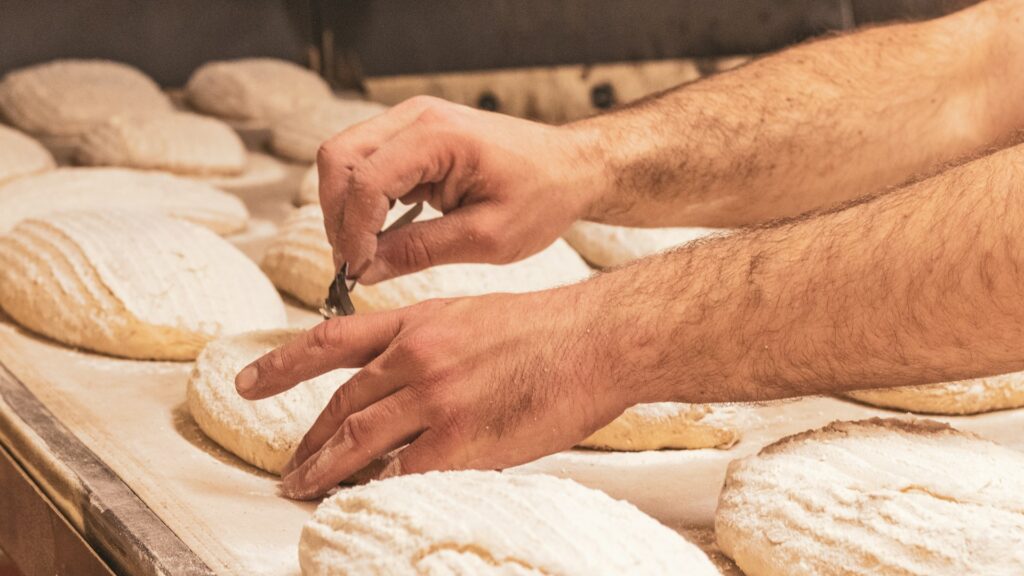
Each type of bread requires a distinct shaping technique. For a traditional loaf, ball the dough and gently place it in the banneton, seam side up. Proofing in a controlled environment can significantly improve the quality of rising. If you are aiming for more complex shapes, such as a baguette or a cob, other shaping techniques will be necessary before placing your dough in a banneton suitable for these shapes.
Management of fermentation and tallying
Controlling temperature and humidity during fermentation is essential. Too high a temperature can speed up fermentation but compromise the texture of the bread. Conversely, fermenting too slowly can make the bread dense. Optimize the proofing environment to achieve the best fermentation quality, which often involves covering the banneton with plastic wrap or a suitable lid to keep in the necessary heat and humidity.
Unmolding and cooking
After proofing, the delicate step of unmolding can prove critical. Carefully invert the banneton onto your baking tray. If the dough resists, gently tapping it can help release it without distorting the shape of the loaf. Cooking must then be adjusted according to the type of bread and the quality of the desired crust. A baking stone or oven with a well-regulated temperature are crucial for this final phase of bread making.
Banneton maintenance
To extend the life of your banneton, regular maintenance is essential. After each use, remove any remaining dough and let the banneton air dry to prevent mold from forming. If necessary, light brushing or cleaning with a damp cloth can be carried out, but avoid the use of soap or chemicals which could alter the taste of your future loaves. A well-maintained banneton is an essential tool in the arsenal of the baker passionate about producing homemade and organic bread.
Choosing the right banneton for each type of bread

Key Factors in Selecting a Banneton
Choosing the right banneton, a functional and elegant baker’s basket, is crucial to successfully shaping homemade bread. Criteria such as banneton material, size and shape must be taken into account to adapt to the specificity of each type of bread. The most common materials are rattan and linen, each offering distinct benefits in terms of support and moisture absorption.
The Different Banneton Materials and Their Uses
Rattan banneton is appreciated for its robustness and its ability to maintain a precise shape, an essential element for traditional breads such as boules or bastards. This type of basket also allows good air circulation, which helps in the formation of a homogeneous crust. On the other hand, those made of linen, often used for high hydration breads, promote humidity control and prevent the dough from sticking.
Choice of Size and Shape Depending on the Type of Bread
The size of the banneton must correspond to the weight of dough used. For a standard 500g loaf, a banneton of around 20cm in diameter is ideal. Oval sides are preferred for elongated loaves, while round shapes are more suitable for balls. A proper match between the shape of the banneton and that of the finalized bread is essential to achieve the desired texture and structure.
Maintenance Tips to Extend the Life of Your Banneton
Maintaining your banneton is as important as choosing it. After each use, it is recommended to remove flour residue and allow the banneton to air dry. A soft brush can be helpful in removing small pieces of dough. Avoid washing rattan bannetons with water to avoid altering their shape and structural integrity. Bannetons covered in linen may require occasional washing, but always with care.
The Impact of Banneton Choice on Bread Quality
The banneton not only shapes the bread, it also influences its final quality. A good banneton allows for uniform fermentation and rise, essential for the texture and taste of the bread. A judicious choice will not only improve the appearance of your breads but also their organoleptic quality, reflecting all the know-how of an artisan baker.
With these parameters in mind, each baker can select the banneton that will pair perfectly with their recipes, combining tradition and technique for each homemade bread creation.
Tips to prevent the dough from sticking to the banneton
Selecting the right banneton
Using a suitable banneton is crucial to prevent the dough from sticking when fermenting and shaping homemade bread. Choose bannetons made from natural wicker or covered with linen cloth, as they provide an ideal surface for managing the moisture in the dough. The natural fibers of the wicker allow the dough to breathe and make it easier to peel off after rising.
Proper preparation of banneton
Before each use, it is essential to prepare your banneton correctly to ensure that the dough does not stick. Sprinkle the inside of the basket generously with flour, preferably a coarse-grained flour like durum wheat semolina or rice, which will not be easily absorbed by the dough. Be sure to evenly cover all surfaces, including any gaps in the spirals or weave. Some traditional bakers even recommend using a mixture of rice and wheat flour to optimize the non-stick effect.
Regular maintenance for increased durability
Regular maintenance of the banneton is essential to maintain its non-stick properties. After use, let the banneton air dry completely to avoid the formation of mold or bad odors. Brush off flour residue using a soft brush so as not to damage the fibers of the banneton. For a more thorough cleaning, avoid the use of soap which could impregnate the equipment and alter the taste of your bread; instead, opt for lukewarm water occasionally, and let it dry flat.
Optimal shaping techniques
The dough shaping technique also influences its tendency to stick to the banneton. A well-shaped and sufficiently taut dough will be less likely to sag and stick. Be sure to form your ball or dough firmly to create a smooth surface that will better resist sticking during fermentation. This careful work facilitates unmolding without snags while preserving the beautiful structure of the loaf.
Opt for the use of linen fabrics
Covering banneton with organic linen can be a great complement to traditional methods. Linen not only helps reduce sticking by providing a smooth surface between the dough and the banneton, but it also helps absorb excess moisture. Be sure to flour the canvas before each use to guarantee the best result when unmolding your traditional hand-made breads.