


History of Bannetons for Bread


Discover the fascinating history of bannetons, these essential tools of artisan baking that, for centuries, have helped shape bread with precision and beauty. From their modest origins to their crucial role in the preparation of breads with a crispy crust and an airy crumb, bannetons have stood the test of time to become today essential companions for any bread-making lover. This article takes you into their history and evolution, revealing how they contribute to the magic of baking.
Origins and evolution of bannetons through the ages
The Historical Beginnings of Bannetons
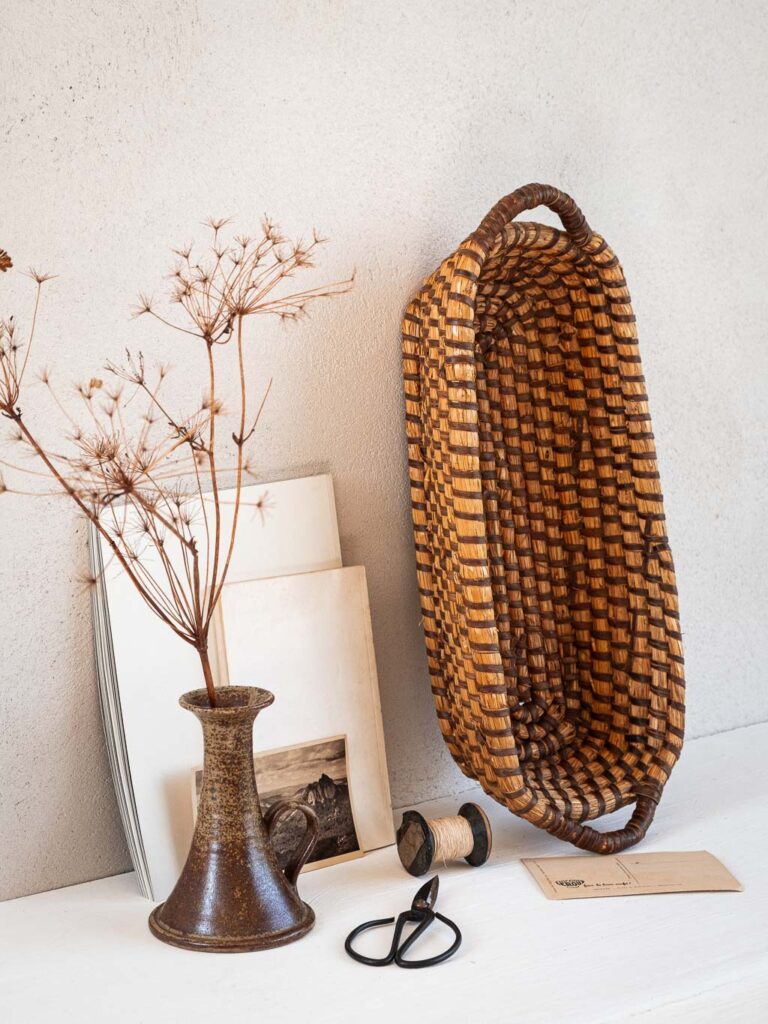
The first traces of bannetons date back to ancient civilizations where baking began to develop. Traditionally, these baskets were made from natural materials such as straw, rush or rattan. Their design made it possible to maintain the shape of the bread during fermentation and the rising of the dough, while facilitating its ventilation thanks to the openwork structure of the basket.
Traditional Materials and Techniques
Initially, bannetons were exclusively made by hand, a practice that requires special know-how inherited from generation to generation. Artisans selected organic materials for their ability to absorb moisture, which is crucial for baking homemade bread. Linen, often used to cover these baskets, played an essential role in preventing the dough from sticking, while creating a smooth, even surface.
The Evolution towards Modern Bannetons
With industrialization, bannetons also evolved. Synthetic materials began to be incorporated to increase the durability and ease of use of bannetons. However, professionals and enthusiasts of traditional baking still often prefer versions made from natural materials for the unique quality they give to artisanal bread.
Diversification and Recent Innovations
Responding to growing demand from bakeries and home-made bread enthusiasts, the market has seen a wider variety of banneton shapes and sizes appear, allowing for greater creativity in breadmaking. In addition, the addition of organic coatings and new textures to these baking tools allows us to continue to innovate while respecting the traditional and professional aspect of bread making.
Impact on Current Breadmaking Techniques
The use of bannetons significantly influences methods and results in baking today. They are essential for obtaining sourdough breads or other special breads with an airy and well-formed crumb. The role of these baskets therefore goes beyond their initial function to become a central element in the art of modern baking, while keeping a firm footing in ancestral techniques.


Pour Aller plus Loin…
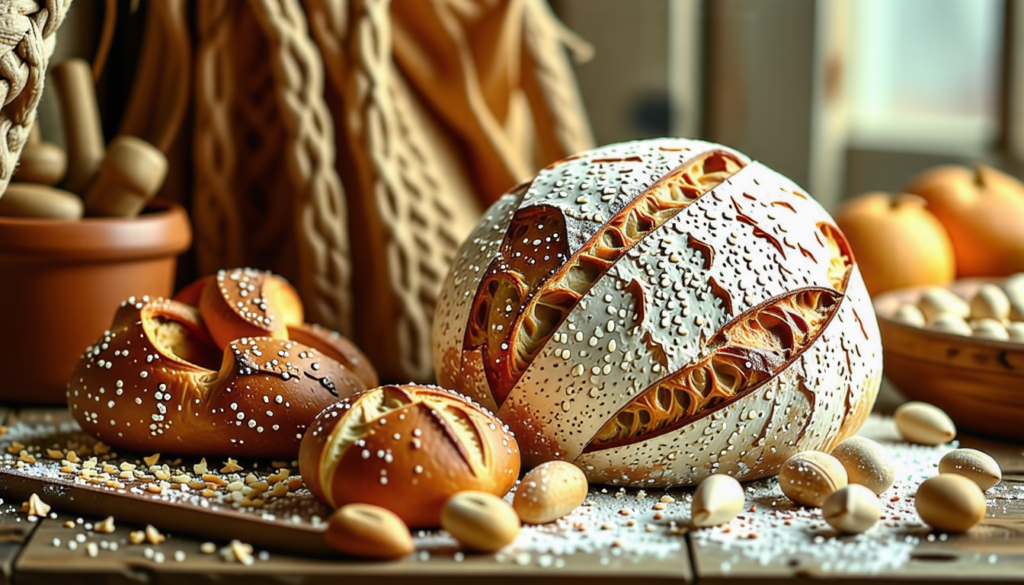
Various materials and shapes used in the manufacture of bannetons
Choice of Materials for Bannetons

Material selection is crucial for making a quality banneton. Traditional materials include rattan and cane, valued for their strength and ability to absorb moisture. These natural fibers allow the bread to maintain its shape while facilitating the formation of a crispy crust when baking. Alternatively, modern versions use food grade plastic or compressed wood, which are less porous but easy to clean and often more economical.
An often overlooked aspect is the linen fabric that can be inserted into the banneton. This canvas, ideally organic, helps maintain the necessary humidity and prevents the dough from sticking to the basket during the resting and rising phases.
Varieties of Shapes and Their Uses
The shape of the banneton influences not only the aesthetics of the bread but also its development and baking. The most common shapes are round or oval, perfect for boules or bastards. For more specific creations like ciabatta bread or baguettes, elongated or specialized bannetons are available.
The size of the banneton must also be considered according to the volume of dough planned, directly influencing the final size of the bread. It is technical to choose a banneton that corresponds to the quantity of dough used to allow optimal rising without overcompression.
Maintenance Tips for Extended Life
Maintaining a banneton is essential to guarantee its longevity and the health quality of your breads. After each use, it is recommended to remove flour residue using a soft brush. Avoid the use of water which could damage the natural fibers of the banneton and encourage the formation of mold.
Additionally, it is beneficial to let your banneton air dry completely before storing it in a dry place. For bannetons made of fabric or incorporating linen fabric, occasional hand washing in lukewarm water can be carried out, taking care to dry the fabric thoroughly before reuse.
Optimization of the Use of Bannetons in Professional Practice
In a professional context, efficiency and reproducibility are key. Using bannetons of the same size and material can help maintain consistency in bread production. Prepare your banneton before each use by flouring it lightly to prevent the dough from sticking, which makes it easier to remove from the mold before baking.
Also explore the use of organic non-stick sprays specially formulated for baking, or the use of silicone liners if you want to further standardize the process and reduce the clean-up required.
Traditional and modern techniques for using bannetons

Understanding the role of banneton in artisanal baking
The banneton, a basket often woven from rattan or made with other natural materials such as wood, plays a crucial role in making artisan bread. The main purpose of using a banneton is to support the dough as it does its final rise before baking. This support is not only practical but also contributes to the formation of the crust and shape of the bread.
Traditionally, bannetons are coated with a thin layer of flour to prevent the dough from sticking to the basket. A linen cloth can also be used to cover the banneton, providing an even smoother surface against which the dough can expand without excessive moisture.
Materials and their influence on bread quality
When choosing a banneton, the material is an essential factor. Rattan bannetons are popular for their ability to absorb moisture from the dough, which promotes the formation of a thin, crispy crust. In contrast, bannetons made from wood or organic plastic offer superior durability and are often easier to clean.
The type of material can also influence the pattern printed on the crust of the bread. The spiral patterns of rattan or the geometric patterns of linen add a distinctive aesthetic touch to the finished product, thus reinforcing the artisanal aspect of homemade bread.
Modern techniques for using bannetons
With the advancement of baking techniques, the use of bannetons has also evolved. Experienced professionals and amateurs today employ organic nonstick sprays to prepare their bannetons, reducing the need for flour while preserving the bread’s natural texture and taste.
In addition, sterilization of bannetons has become common practice to guarantee their longevity and hygiene. This can be achieved by simply baking at a low temperature, eliminating potentially accumulated dough residue and bacteria.
The traditional experience revisited by the modern banneton
The adaptation of bannetons to modern needs shows that tradition and innovation can coexist harmoniously in the art of baking. The shapes and sizes adapted to the different types of bread that we wish to create, allow the breadmaking process to be further personalized, while remaining faithful to proven techniques.
The integration of bannetons into contemporary baking practices allows each baker to handle the dough more precisely, optimizing time management and the quality of finished products, keeping the unique character of homemade.
In conclusion, the judicious use of banneton in traditional and modern baking is essential for any artisan keen to perfect their art. It is a tool that, despite its simplicity, plays a vital role in preparing premium quality breads with distinct textures and tastes.
Influence of Bannetons on Bread Quality and Styles
The effects of the materials used for bannetons
Bannetons can be made from a variety of materials, each influencing the texture and shape of the bread differently. Typically, wicker bannetons are renowned for their ability to maintain a consistent temperature and humidity during fermentation. This results in a crispy crust and a well-shaped crumb. On the other hand, plastic or wooden bannetons, although easier to clean, may not offer the same results in terms of moisture management, thus affecting the quality of the final bread.
The choice of linen fabric as a covering for the bannetons is also crucial. The linen cloth helps absorb excess moisture and makes it easier to unmold the bread without the dough sticking, thus preserving the delicate shape and structure of the yeast dough.
Impact of banneton shape and size
In professional baking, the shape of the banneton plays a vital role in defining the style of the bread. For example, a round banneton is traditionally used for boule bread, while a long, oval banneton is ideal for more elongated breads like bastards or ciabattas. Choosing the right banneton according to the desired style of bread is therefore a crucial technical element for all bakers passionate about traditional and authentic creations.
The size of the banneton must also correspond to the planned quantity of dough. A banneton that is too large or too small can affect the rise and shape of the bread, compromising its final texture. A precise adjustment between the quantity of dough and the dimensions of the banneton is therefore essential to guarantee optimal fermentation and cooking.
The importance of banneton maintenance
Maintaining a clean and well-maintained banneton is essential to ensure the consistent quality of homemade bread and avoid cross-contamination of the sophisticated and delicate flavors of the breads. After each use, it is recommended to remove flour residue with a soft brush and allow the banneton to air dry to prevent the formation of mold or other harmful bacteria.
In addition, the periodic regeneration of the linen fabric, if used, through gentle washing and good ventilation, helps to maintain its absorption capacity and extend the life of the banneton. Good practice requiring special care, the maintenance of organic bannetons must be carried out with natural products to avoid chemical residues in the bread.
The ecological impact of traditional bannetons
Opting for a banneton made from natural and renewable materials such as wicker or wood not only has advantages for pastry making, but also represents a more sustainable choice compared to synthetic alternatives. Organic bannetons reduce reliance on plastics and other non-degradable materials, promoting more environmentally friendly production.
Using an organic banneton, typically accompanied by linen, helps reduce waste, as these materials are compostable or recyclable unlike their synthetic counterparts. Commitment to more ecological practices in baking can also strengthen a company’s brand image in the face of consumers who are increasingly aware of the environmental impacts of their consumption choices.
Advanced techniques for using bannetons
For bakers looking to perfect their technique, using bannetons correctly requires a thorough understanding of how the dough reacts in different environments. For example, adjusting the degree of flouring of the banneton according to the humidity of the dough can be decisive in obtaining a perfectly formed crust and an airy crumb.
Experimenting with varying rising times and different positions in the banneton can also influence the direction of rising and the final shape of the bread. These advanced techniques allow bakers to precisely manipulate the characteristics of bread, adjusting preparation conditions according to the desired result.